Business
Naira Rising, Politics Shrinking
The Presidency’s declaration that the “almighty dollar is no longer king” marks a symbolic milestone in Nigeria’s long struggle to restore dignity to its battered currency. Yet, in typical fashion, what should have been a sober economic update has been sharpened into a political weapon.
Presidential spokesman Bayo Onanuga, announcing that Chinese traders are now accepting Naira-denominated cards, called it proof that President Bola Tinubu’s reforms are yielding fruit. “The Naira is waxing stronger as an international means of exchange,” he declared on X, noting that even his personal purchases from Chinese platforms had gone through seamlessly.
But the statement quickly swerved from economics to politics. Onanuga accused opposition leaders Atiku Abubakar, Nasir El-Rufai, and Peter Obi of refusing to celebrate the development, alleging they are waiting for economic disasters to weaponize against the government.

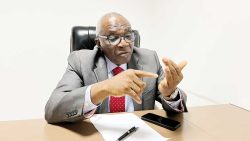
Presidential spokesman Bayo Onanuga
This framing reveals the tension at the heart of Nigeria’s current experiment. Tinubu’s economic reforms exchange rate unification, fuel subsidy removal, and liberalization were always bound to hurt in the short term. Nigerians today are battling runaway inflation, shrinking wages, and soaring living costs. Yet the Presidency insists these bitter pills are necessary to restore confidence in the system. The acceptance of the Naira abroad, however modest, is therefore wielded as a trophy of survival.
Still, Nigerians cannot eat symbolism. The market woman in Aba, the teacher in Kaduna, and the taxi driver in Lagos are not celebrating because their reality remains harsh. A currency’s true strength is measured not in tweets about Chinese transactions but in the stability it offers citizens who trade, save, and plan in it daily.
READ ALSO:Nigeria’s economic policies drift as politics, insecurity fuel inflationary pressures
That does not mean progress should be ignored. If foreign merchants are beginning to take the Naira seriously, that is a victory worth noting. But victories are not ownership of one party or president; they are national gains. If opposition leaders refuse to acknowledge them, they too risk appearing petty, placing political rivalry above the collective good. Statesmanship requires honesty, even when it does not flatter one’s position.
What Nigeria needs now is less chest-beating and more substance. The government must double down on policies that tame inflation, strengthen local industries, and cushion ordinary people from reform pains. The opposition, for its part, must learn to separate critique from sabotage, offering alternatives without sneering at genuine progress.
The Naira is not yet crowned king, but neither is it a fallen pauper. It is somewhere in between fighting for relevance in a global order still dominated by the dollar. The challenge is to make that relevance count for Nigerians at home, not just in foreign marketplaces.
The lesson is simple: economics cannot be reduced to partisan point-scoring. The Naira’s rise, if sustained, is Nigeria’s rise. And if all sides truly put country before politics, then the currency’s strength will be more than a symbol it will be a shield for the people.