Editorial Opinion
Children on the Streets, Leaders in Denial: Time for a Child Rights Emergency in Nigeria
They beg with outstretched hands, but what they truly need is protection. They sleep under bridges, not by accident, but by abandonment.
They are Nigeria’s forgotten children unseen by budgets, unfelt by policy, unheard by power.
Across the country, street children have become a permanent feature of urban and rural life. They hawk in traffic, fetch water in construction sites, or wander aimlessly with hunger in their eyes. Their presence is as constant as it is tragic and our silence, deafening.
According to UNICEF Nigeria, over 10.5 million Nigerian children are out of school, making Nigeria home to the world’s largest population of out-of-school children. This figure is not just a statistic it’s a national red flag. While governments hold endless summits, millions of children are being left behind, one traffic light at a time.
And yet, two decades after Nigeria passed the Child Rights Act (CRA) in 2003, 12 states have still failed to domesticate it — effectively excluding their children from its legal protections. Premium Times.

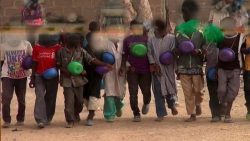
Street Children Begging for Survival
Nowhere is this failure more visible than in the broken Almajiri system. Originally intended for religious education, the model has morphed into a dangerous mix of child neglect and urban child labour. A 2020 Daily Trust investigation exposed how thousands of Almajiri boys in Northern Nigeria roam the streets without food, protection, or proper education. (Read report)
READ ALSO:Currency in the Clouds: Customs Rallies Airline Operators in War Against Illicit Funds
The rot runs deeper. A 2023 ILO report estimated that 15 million Nigerian children are engaged in child labour, many in hazardous and exploitative work. These children are often seen but not served worked but not protected.
We have laws but weak enforcement. We have agencies but low funding. We have policy papers but empty playgrounds.
Worse still, we have leaders who speak of “youth empowerment” while ignoring the children who never even made it into school. The hypocrisy is loud.

“Buckets of Ice, Hearts on Fire.” Street children endure the heat of neglect, chasing cold comfort in a country full of promises.
A nation that allows its children to raise themselves on the streets is not building a future it is breeding a storm. The children we fail to protect today may grow into the frustrations we won’t be able to manage tomorrow.
It is time for a bold, unapologetic response.
We call on the Federal Government to declare a National Child Rights Emergency and back it up with action, not just slogans.
Such action must include:
- Immediate domestication and enforcement of the Child Rights Act in all 36 states
- A nationwide overhaul of the Almajiri system with a blend of religious and formal education
- Reinvestment in universal basic education, especially in rural and conflict-prone zones
- Provision of shelters and rehabilitation centres for vulnerable and street children
- Prosecution of individuals and institutions that exploit, abuse or expose children to hazardous labour or abandonment
As long as our leaders continue to prioritise politics over protection, Nigeria will remain a country where children are born to suffer, not to thrive.
To look away is to be complicit. To do nothing is to endorse this tragedy. We must rise as parents, as journalists, as citizens to declare: No child should live on the street in a country this rich in potential.
Because when children are left on the streets, it’s not just their future that is stolen it’s ours too.
Remember the femous words of Rev Chris Oyakhilome , as echoed by the innercity mission for children, Every child is your child
#ChildRightsEmergencyNow | #ProtectNaijaChildren | #NationalDailyAdvocacy