Latest
Togo’s 57-Year Dynasty: The Gnassingbé Family and Africa’s Political Inheritance
In the heart of West Africa, the small nation of Togo tells a powerful story of political legacy one that has sparked debates across the continent. Since 1967, a single family has held the reins of power: the Gnassingbés. What began with a military coup by Gnassingbé Eyadéma has evolved into a 57-year-old dynasty, making Togo one of Africa’s longest-standing examples of father-to-son presidential succession.
Eyadéma seized power in 1967 and ruled for 38 years with an iron grip. His presidency was marked by allegations of human rights abuses, electoral manipulation, and a cult of personality. Upon his death in 2005, the military swiftly installed his son, Faure Gnassingbé, in what many called a constitutional coup bypassing legal protocols and sparking deadly protests.

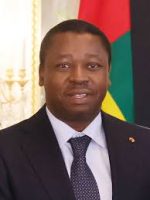
President of Togo
Faure’s presidency, now over two decades long, has been controversial. While his administration claims progress in infrastructure and economic reforms, critics point to repression, disputed elections, and a lack of democratic openness. The 2020 constitutional changes, which potentially allow Faure to remain in power until 2030, deepened fears of an entrenched autocracy.
READ ALSO:Jetour X70 Plug-In hybrid vehicle boosts fuel efficiency, promotes green energy
Togo is not alone. Across Africa, political dynasties are reshaping governance. From Gabon to Equatorial Guinea, sons of former presidents often inherit power, raising questions about democracy, accountability, and generational change. Analysts argue that these dynasties undermine institutions and fuel political apathy among youth.

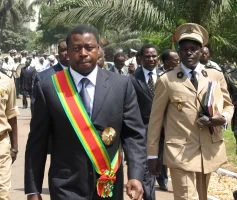
Togo’s 57-Year Dynasty
“Togo’s case is emblematic of a deeper crisis in African leadership where power is treated as inheritance,” says Dr. Amadou Diarra, a political scientist based in Dakar.
Despite increasing calls for reform, Togo’s opposition faces crackdowns, and civil society struggles against state control. Yet, hope remains. Young Togolese activists continue to push for democratic renewal, using digital tools and grassroots movements to challenge the status quo.
As Togo marks over half a century under one family, the world watches closely. Will the nation break free from its dynastic cycle, or will the Gnassingbé legacy continue into a third generation?