Editorial
Stolen Childhoods: The Grim Reality of Child Trafficking in Nigeria
Stolen Childhoods: The Grim Reality of Child Trafficking in Nigeria
In the bustling streets of Lagos, Abuja, and Benin City, children with weary eyes weave through traffic, balancing trays of goods far too heavy for their fragile frames. Many are not just hawkers struggling to support their families they are victims of trafficking, thrust into lives of exploitation and stripped of their childhoods.
Nigeria is considered both a source, transit, and destination country for child trafficking, according to the United Nations Office on Drugs and Crime (UNODC). Thousands of children are trafficked annually for domestic servitude, street hawking, forced labour, and, in some tragic cases, sexual exploitation.
The lure often begins with promises. Traffickers prey on impoverished families, offering education or better opportunities in the cities. But instead of schools and safety, children end up in households as maids, in markets as hawkers, or trafficked across borders into more dangerous conditions.

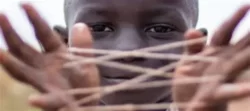
Stolen Childhoods: The Grim Reality
Take the story of 12-year-old Blessing (not her real name), taken from her village in Edo State with the assurance of being enrolled in school in Lagos. Instead, she became a live-in maid, working 16-hour days without pay, subjected to physical abuse. Her dream of education vanished, replaced with scars both visible and invisible.
The statistics are chilling. A 2023 report by the International Labour Organization (ILO) estimated that over 1.3 million Nigerian children are engaged in exploitative labour, many of them victims of trafficking networks. States such as Edo, Delta, and Ogun are known trafficking hubs, with routes stretching into North Africa and Europe.
Law enforcement struggles to keep pace. While Nigeria has established agencies like the National Agency for the Prohibition of Trafficking in Persons (NAPTIP), limited funding, corruption, and weak prosecutions undermine progress. Convictions remain few compared to the scale of the crime.
READ ALSO:https://nationaldailyng.com/nigerias-silent-crisis-the-struggle-to-protect-child-rights/
Cultural acceptance also fuels the crisis. In many communities, child domestic labour is normalised. Families that send children to “help” relatives in cities rarely question the risks, unwittingly feeding trafficking pipelines.
“Trafficking thrives on poverty, ignorance, and demand,” says Funke Adeoye, a human rights lawyer. “As long as families remain desperate, and households keep seeking cheap child labour, traffickers will have a ready market.”
The consequences for children are devastating disrupted education, chronic health issues, exposure to abuse, and psychological trauma. For girls trafficked into sexual exploitation, the dangers multiply including the risk of sexually transmitted infections, early pregnancies, and lifelong stigma.
Solutions, experts say, must go beyond arrests. They include massive public awareness campaigns, economic empowerment for vulnerable families, and stronger safety nets for children. International collaboration is also key, as many trafficking cases cross borders.
For now, the streets remain a silent testimony. Behind every child balancing a tray of bottled water, washing dishes in a stranger’s home, or traveling unaccompanied across borders lies a story of stolen childhood.
And until Nigeria takes a firmer stand, child trafficking will remain a wound that bleeds across generations.