Latest
EU bans TPO in gel nail polish over reproductive toxicity concerns
By Andra Oriyomi
The European Union has banned the use of a chemical widely used in gel nail polishes, triggering renewed debate over the potential health risks associated with gel manicures and the ultraviolet lamps used to cure them.
The substance, Trimethylbenzoyl Diphenylphosphine Oxide (TPO), is a photoinitiator that helps gel polish harden when exposed to ultraviolet light.
European regulators classified TPO as a Category 1B carcinogenic, mutagenic or reprotoxic (CMR) substance, citing evidence of potential reproductive toxicity. The classification does not mean that gel manicures have been proven to cause infertility or reproductive problems in humans, but it prompted EU authorities to prohibit the chemical in cosmetic products.
The development has placed renewed attention on the safety of an industry that has grown rapidly as consumers seek longer-lasting, glossy nail treatments.
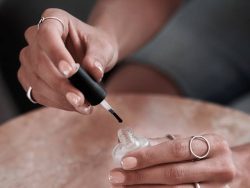

What makes TPO controversial?
TPO is used to initiate the chemical reaction that allows gel polish to cure under UV or LED lamps.
Concerns about the substance have largely emerged from toxicological evidence, including animal studies that have raised questions about possible effects on fertility and reproduction.
READ ALSO; Study links early COVID-19 vaccination in pregnancy to rare birth defects
The EU’s regulatory action reflects the precautionary approach taken when a cosmetic ingredient is considered to pose a significant potential health risk.
However, health experts caution against interpreting the ban as proof that all gel manicures are inherently dangerous.
The level, duration and route of exposure are important factors when assessing risk, and evidence from laboratory or animal studies does not automatically establish the same effect in humans.
UV nail lamps raise separate concerns
The debate does not end with the chemical ingredients.
Gel manicures require exposure to UV or LED lamps to cure the polish, and researchers have also examined whether repeated exposure to ultraviolet radiation from nail dryers could damage skin cells.
UVA radiation penetrates deeper into the skin than UVB and is associated with premature skin ageing and DNA damage. Laboratory research has found that exposure to UV nail lamps can cause cellular damage and mutations.
Scientists and dermatologists, however, continue to examine what these laboratory findings mean for people who receive occasional or regular manicures.
The exposure during an individual manicure is relatively brief, but repeated treatments over many years raise questions about cumulative exposure.
Nigerian doctor’s experience sparks warning
READ ALSO; Woman, nurse remanded over alleged N16.17m fake pregnancy, abortion fraud in Lagos
The wider safety debate has also gained attention following the experience of Nigerian physician Dr. Ify Aniebo, who said she developed significant nail changes after undergoing a series of gel manicures.
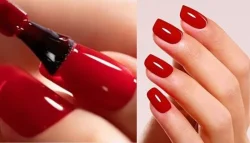

Aniebo, who had previously maintained naturally long and strong nails, said she decided to try gel manicures after becoming curious about their growing popularity.
She underwent the procedure about seven times before noticing that her nail plates appeared to separate from the nail beds.
The condition, known medically as onycholysis, can have several causes, including trauma, infections, certain skin conditions and exposure to chemicals.
Concerned about the changes, Aniebo stopped using gel polish and began investigating possible explanations.
Her experience, however, should not be regarded as proof that gel manicures caused her condition. A personal experience cannot establish a causal relationship without medical assessment and controlled scientific evidence.
Nevertheless, her account highlights the importance of proper application and removal, particularly because aggressive filing, scraping or peeling of gel polish can damage the natural nail.
How consumers can reduce potential risks
Dermatologists and nail-care professionals generally recommend several precautions for people who continue to use gel manicures.
Consumers can:
Choose reputable salons and trained nail technicians.
Ensure gel products are properly cured using the manufacturer’s recommended equipment and exposure time.
Avoid peeling, scraping or forcibly removing gel polish.
Allow damaged or weakened nails time to recover between treatments.
Consider wearing fingerless, UV-protective gloves during curing.
Apply broad-spectrum sunscreen with an SPF of 30 or higher to exposed hand skin before UV exposure, following product directions.
Seek medical attention if nails become persistently discoloured, painful, detached or otherwise abnormal.
A broader regulatory warning
The EU action against TPO highlights the continuing challenge regulators face in monitoring cosmetic ingredients as scientific evidence evolves.
For consumers, the development also underscores the importance of distinguishing between a regulatory ban, a potential hazard and proven harm from ordinary consumer exposure.
The fact that an ingredient is classified as a reproductive toxicant does not by itself establish that every person exposed to a product containing it will experience reproductive problems.
Likewise, evidence that UV radiation can damage cells does not establish that every person who uses a nail lamp will develop skin cancer.
Instead, experts say risk depends on factors including exposure intensity, frequency, duration and individual circumstances.
As gel manicures remain popular, the emerging evidence suggests that informed use, proper application and removal, and attention to changes in the nails or surrounding skin are increasingly important.
The EU’s action may ultimately accelerate the industry’s move towards alternative ingredients and curing technologies considered safer, while consumers are left to balance the cosmetic benefits of gel manicures against potential risks that scientists and regulators continue to investigate.