
Latest
Study links early COVID-19 vaccination in pregnancy to rare birth defects

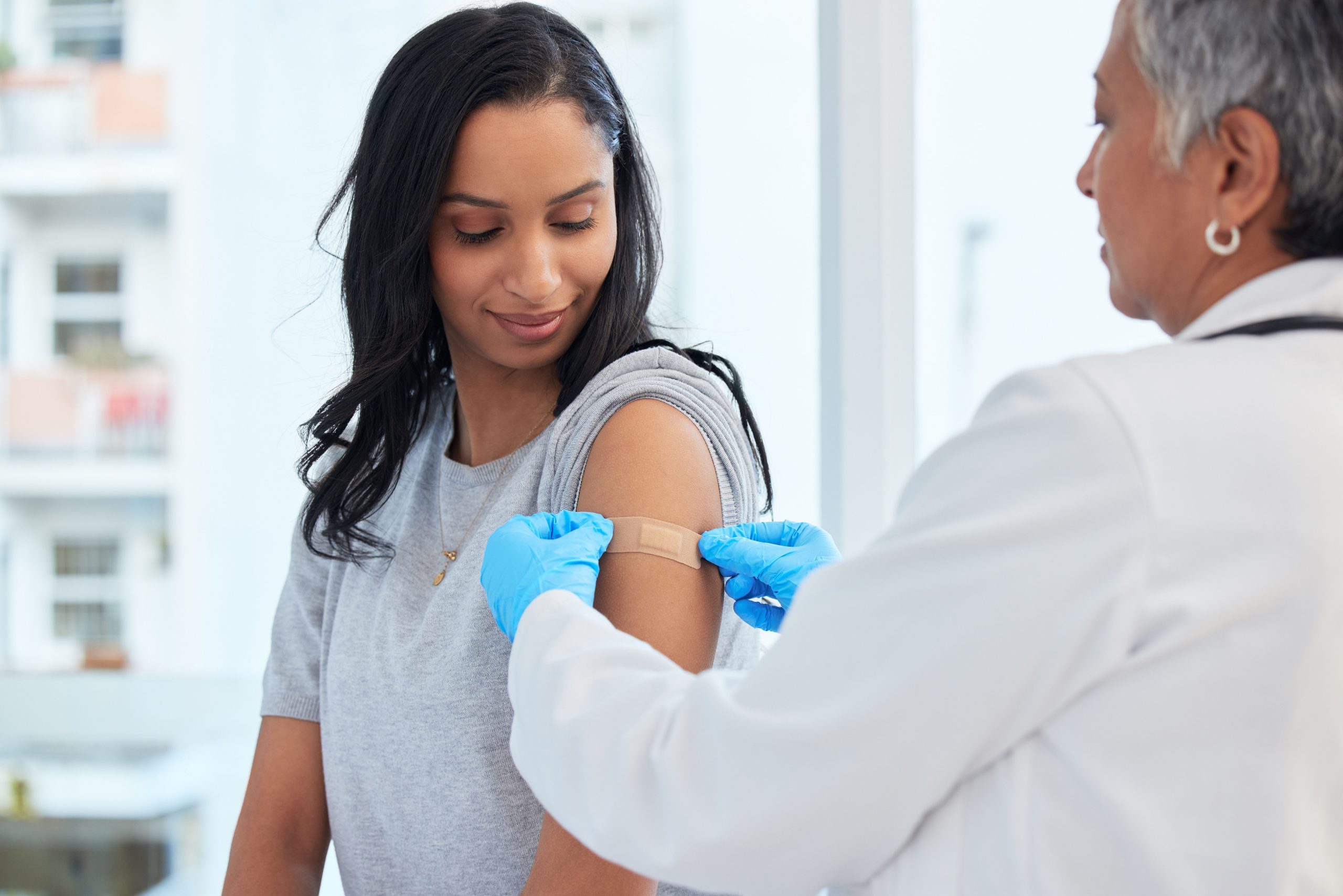
A newly published Iranian study has reported a possible association between COVID-19 vaccination during the first trimester of pregnancy and a higher occurrence of two rare congenital abnormalities, while stressing that its findings do not establish a cause-and-effect relationship and require confirmation through larger studies.
The research, published in SAGE Open Medicine, examined 1,352 pregnancies from two Iranian cities between 2022 and 2023 to explore whether the timing of COVID-19 vaccination during pregnancy was associated with congenital birth defects detected during routine prenatal ultrasound examinations.
Researchers grouped participants into three categories: 303 women who were not vaccinated during pregnancy, 262 women who received at least one COVID-19 vaccine dose during the first 12 weeks of pregnancy—when major fetal organs develop—and 787 women who were vaccinated after the first trimester.
Rare Defects Reported More Frequently
The study found that birth defects remained uncommon across all groups. However, researchers observed slightly higher frequencies of two rare conditions among women vaccinated during the first trimester.
According to the findings, six cases of atrioventricular septal defects (AVSD), a congenital heart abnormality, were identified among women vaccinated before 12 weeks of pregnancy. No AVSD cases were recorded in the unvaccinated group, while one case occurred among women vaccinated after the first trimester.
READ ALSO: U.S to introduce COVID-19 vaccine injury table amid calls for fairer compensation
Researchers also identified two cases of cleft palate in the early-vaccination group, with no cases reported among women vaccinated later in pregnancy or those who remained unvaccinated.
Despite these observations, the authors emphasized that the number of cases was very small and insufficient to conclude that COVID-19 vaccination caused the defects.
Researchers Urge Caution
The authors described the study as exploratory and repeatedly warned against drawing causal conclusions from the findings.
“Our descriptive analysis found slightly higher frequencies of atrioventricular septal defects (AVSD) and cleft palate in women vaccinated inside the teratogenic window,” the researchers wrote, adding that “given the limited event counts and descriptive design, causal inference cannot be drawn.”
They recommended continued surveillance, pooled international data analyses and larger studies involving more pregnancies exposed to vaccination during early gestation to determine whether the observed differences reflect a genuine association or occurred by chance.
READ ALSO: Scientists challenge study linking COVID vaccines to improved heart health
The researchers said the study was prompted by a lack of evidence examining congenital abnormalities following COVID-19 vaccination during the earliest stages of pregnancy, despite widespread recommendations supporting vaccination for pregnant women worldwide.
Vaccines Used in the Study
Unlike many studies conducted in North America and Europe, the Iranian research did not involve mRNA COVID-19 vaccines.
Participants instead received either inactivated-virus or viral-vector vaccines available in Iran at the time. Researchers did not identify specific vaccine brands, citing ethical and regulatory restrictions.
Previous Iranian reports indicate that vaccines such as Sinopharm (Covilo), Coviran Barkat and India’s Covaxin were among those available during the study period.
Expert Commentary
Children’s Health Defense Senior Research Scientist Karl Jablonowski, who was not involved in the study, said the research should not be interpreted as evidence that vaccination causes birth defects.
However, he argued that the findings provide grounds for further scientific investigation, particularly regarding vaccines containing aluminum-based adjuvants that are administered during the first trimester.
According to Jablonowski, COVID-19 vaccines available in Iran contain aluminum adjuvants, whereas mRNA vaccines used in several other countries do not.
He noted that aluminum-containing vaccines are generally not administered during the first trimester of pregnancy in many countries. For example, the Tdap vaccine is typically recommended between 27 and 36 weeks of pregnancy, while most influenza vaccines recommended during pregnancy do not contain aluminum adjuvants.
The researchers referenced a large observational cohort study using data from the U.S. Vaccine Safety Datalink, which found no meaningful increase in the overall risk of birth defects among women vaccinated during the first trimester compared with those vaccinated later in pregnancy.
The Iranian authors acknowledged this difference and said additional research involving larger populations is needed before any conclusions can be reached.The Iranian study adds new data regarding vaccination during the earliest stages of pregnancy but, according to its authors, shoul
d be viewed as preliminary evidence requiring further investigation rather than proof of a causal relationship between vaccination and the rare birth defects observed.


-

 Featured3 days ago
BREAKING NEWS: Shouts of joy rock the world as Pastor Chris opens final Healing Streams edition for 2026
-

 Football3 days ago
Man United shortlist Emery, Nagelsmann as potential replacements for Carrick
-

 Business3 days ago
Hoodlums raid JED Benue office, abduct 10 staff over power dispute
-

 Business6 days ago
Naira faces exchange rate gap as Dollar hits N1,380 on parallel market
-

 Football3 days ago
Aston Villa ready to freeze out Garnacho to avoid £43m Chelsea transfer
-

 Business3 days ago
EV adoption: Roxettes seeks cheaper financing, local manufacturing incentives
-

 Latest3 days ago
Akpabio tasks Tompolo-backed movement with spreading Tinubu’s renewed hope message
-

 Business4 days ago
Naira suffers biggest daily drop in 18 months, falls to N1,365/$