As of January 6, 2026, a total of nineteen Nigerian banks have successfully met the Central Bank of Nigeria’s (CBN) recapitalisation requirements, marking a significant milestone in the ongoing sector-wide overhaul ahead of the March 31, 2026 compliance deadline.
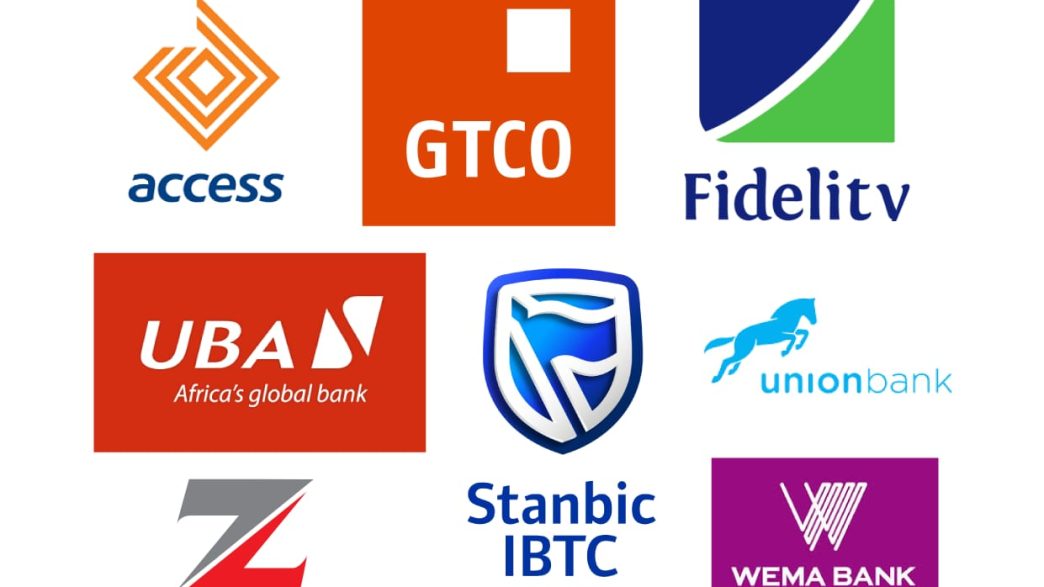
According to CBN disclosures and industry sources, the banks that now meet the enhanced capital thresholds include major lenders with international licences — Access Bank, Fidelity Bank, First Bank, GTBank (GTCO), UBA, and Zenith Bank — all of which have scaled up their paid‑up capital and share premium to meet the N500 billion minimum requirement for global‑tier banks.
Among national and regional licence holders, Citibank Nigeria, Ecobank Nigeria, Globus Bank, Stanbic IBTC, Sterling Bank, Wema Bank, PremiumTrust Bank, and Providus Bank have also fulfilled the required benchmarks.
Meanwhile, two non‑interest banks, Jaiz Bank and Lotus Bank, alongside three merchant banks — FSDH, Greenwich, and Nova Merchant Bank — have met their respective capital floors, generally set at N20 billion (national), N10 billion (regional) for non‑interest banks and N50 billion for merchant banks under the new CBN regime.
Despite this progress, approximately 14 banks are still working toward full compliance, underscoring the mixed pace of capital mobilisation across the industry as the deadline approaches.
In March 2024, the CBN unveiled a sweeping recapitalisation policy requiring banks to strengthen their capital bases over a 24‑month window, ending March 31, 2026.
The reforms raised minimum capital for international banks to N500 billion, national banks to N200 billion, regional banks to N50 billion, merchant banks to N50 billion, and non‑interest banks to N20 billion (national) and N10 billion (regional) — requirements structured to bolster financial resilience and support larger credit flows to the economy.
Financial analyst Mrs. Chidera Onuoha of Lagos‑based Quantum Capital Advisors describes the milestone as “a testament to the sector’s dynamism but also an indicator of the diverse capacity among banks to raise fresh capital amid tighter macroeconomic conditions.”
She noted that larger institutions have been able to tap rights issues, private placements, and strategic investors to meet the tougher thresholds.
However, Onuoha warned that “banking consolidation, including mergers and acquisitions, is likely for those lagging behind — a development that could reshape the competitive landscape but also strengthen systemic stability in the long term,” echoing broader industry expectations.
READ ALSO: Nigeria launches new tax identification portal, redefining Banks’ role in revenue collection
Echoing similar sentiments, Dr. Kelechi Nwosu, Senior Banking Lecturer at the University of Lagos, emphasised the strategic intent behind the drive: “Beyond compliance, this recapitalisation is about future‑proofing Nigeria’s banking sector — enabling banks to fund big‑ticket projects, absorb shocks, and expand financial inclusion aggressively.”
He pointed out that while many banks have raised capital successfully, others “need to explore consolidation, investor partnerships, or licence restructuring to meet the requirements without jeopardising their operational viability.”
With less than three months to the March 31, 2026 cut‑off, stakeholders anticipate heightened activity. Some lenders are reported to be finalising capital‑raising deals or engaging merger talks, while others are intensifying investor outreach to bridge shortfalls.



 Energy7 days ago
 Crime6 days ago
 Football7 days ago
 Business7 days ago
 Business7 days ago
 Crime6 days ago

 Business7 days ago