
Covid-19
COVID-19: Media experts, others brainstorm at NAPHARM/NGE media week

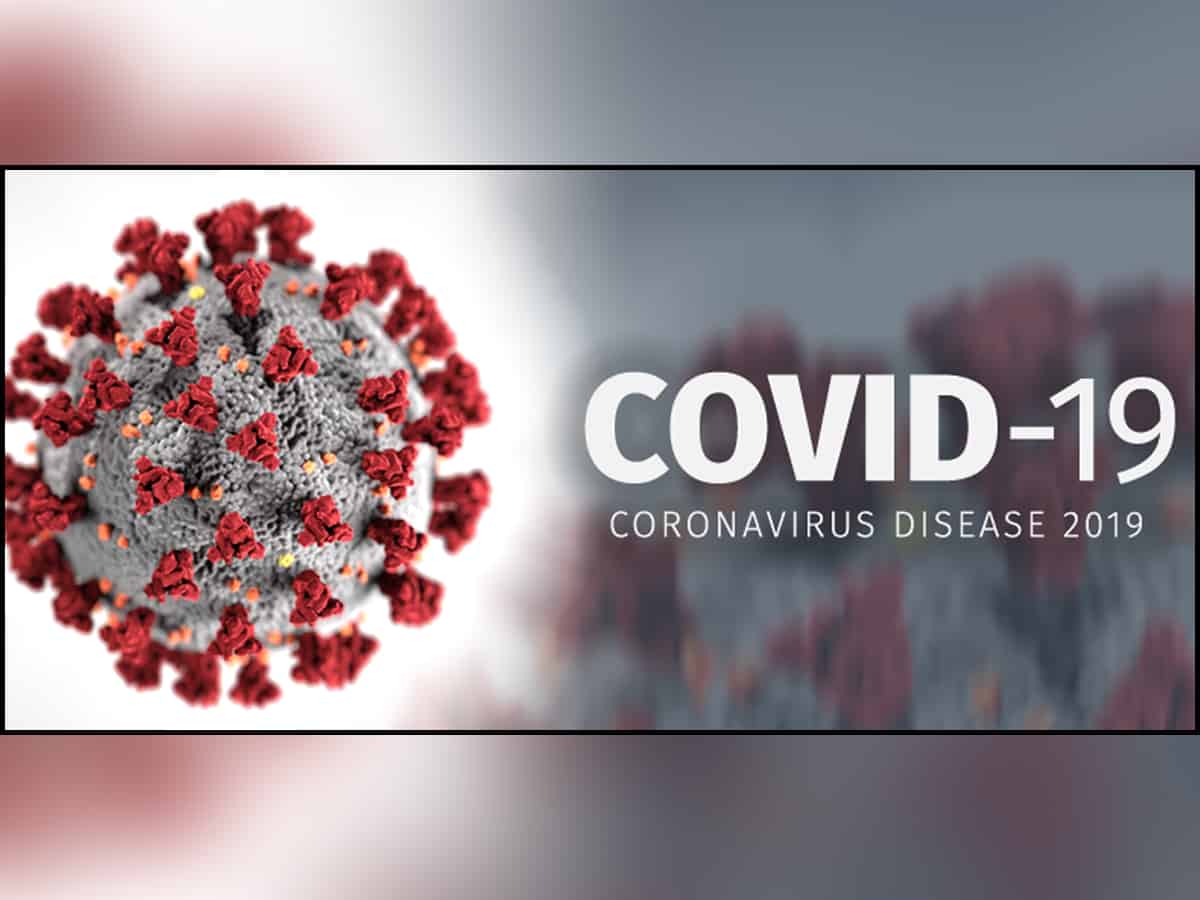
The ever-changing and sometimes unverified nature of COVID-19 data being released has left journalists and researchers with challenges in providing accurate information to the public.
On Tuesday, a panel of media experts addressed those challenges during a more than hour-long conversations that examined the role of the media in the management of COVID-19 pandemic at the NIGERIA ACADEMY OF PHARMACY/NGE MEDIA WEEK held at the Lagos Airport Hotels, Ikeja.
Earlier in his comment, Dr. Reuben Abati, a former presidential spokesman, explained that there are good and bad elements to the way news has been covered during the pandemic, and that the public’s trust in the media is on the line.
“I’ve never seen a story that has as many perplexing and meddlesome dimensions to it as the many diverse reports on the pandemic. The intensity of interest in the story and the consequences of the ways the story is being presented are really kind of massive,” he added.
According to him, reports on the pandemic have been more acute when the information we get is confusing at best. Society is torn with information from the government that cannot be consistently trusted. So, journalists become even more critical in their role.”
In his own submission, Max Amuchie of Sundiata Post said in most times, the media is dismayed and baffled by the kind of incoherence and a lack of reliability of the information being released by the authority on the pandemic, “We’re seeing info that should be fairly politically neutral is instead being spun in ways we can’t trust.”
“Linked to this, the politicization of the pandemic and a lack of interinstitutional and public collaboration are emerging as key challenges,” he added.
Danlami Nmodu of Newsdiaryonline, explained that while there is an abundance of news to be reported on the pandemic, newsrooms, hammered by decades of layoffs often lack reporters and editors who specialize in public health reporting.
According to him, some newsrooms were focusing on breaking COVID-19 news instead of in-depth coverage.
Despite these challenges, Nmodu said that, overall, journalists have been doing a good job in covering the pandemic. He advised reporters to avoid covering stories in a binary manner, urging journalists to build relationships with researchers who have a history of reliable and scientifically-rigorous work and to build a stable of those types of experts to maintain accurate reporting.
Meanwhile, Vice President of the Nigeria Academy of Pharmacy, Sir Ifeanyi Atueyi, while calling on Nigerians and the media to seek the right information, Atueyi charged them to shun those inciting others to avoid COVID-19 vaccination.
The President of the NGE, Isah Mustapha, said: “Up till now, there are still a lot of myths surrounding the COVID-19. “Some say it is not real and some say it is a device from the western country to depopulate Africa. The truth of the matter is this: you can only act based on the information available to you.
“As media, we are supposed to report expert opinions, not the opinion of laymen like me. So, we feel that this partnership gives us an opportunity to talk to experts on this matter.”


-
 Latest7 days ago
Israel marks 3 years since October 7 Hamas attack amid Gaza strikes, election debate
-

 Energy7 days ago
Fuel Battle: Dangote, marketers and government clash over petrol imports
-

 Energy1 week ago
Petrol, diesel prices rise 86% in 2026 as costs hit fresh highs
-
 Latest2 days ago
Full List: Meet the 2026 Nobel Prize winners across six categories
-

 Football1 week ago
Nigeria’s World Cup exit under spotlight as FIFA’s DR Congo files emerge
-

 Latest1 week ago
US Court set to rule on release of FBI, DEA records on Tinubu
-
 Business1 week ago
Nigerian investors at a crossroads as fixed-income yields slide
-
 Latest1 week ago
Oyo APC crisis deepens as Oluyole reconciliation meeting ends in brawl