
Featured
How educational criteria will shape the 2023 presidential election and likely affect some aspirants

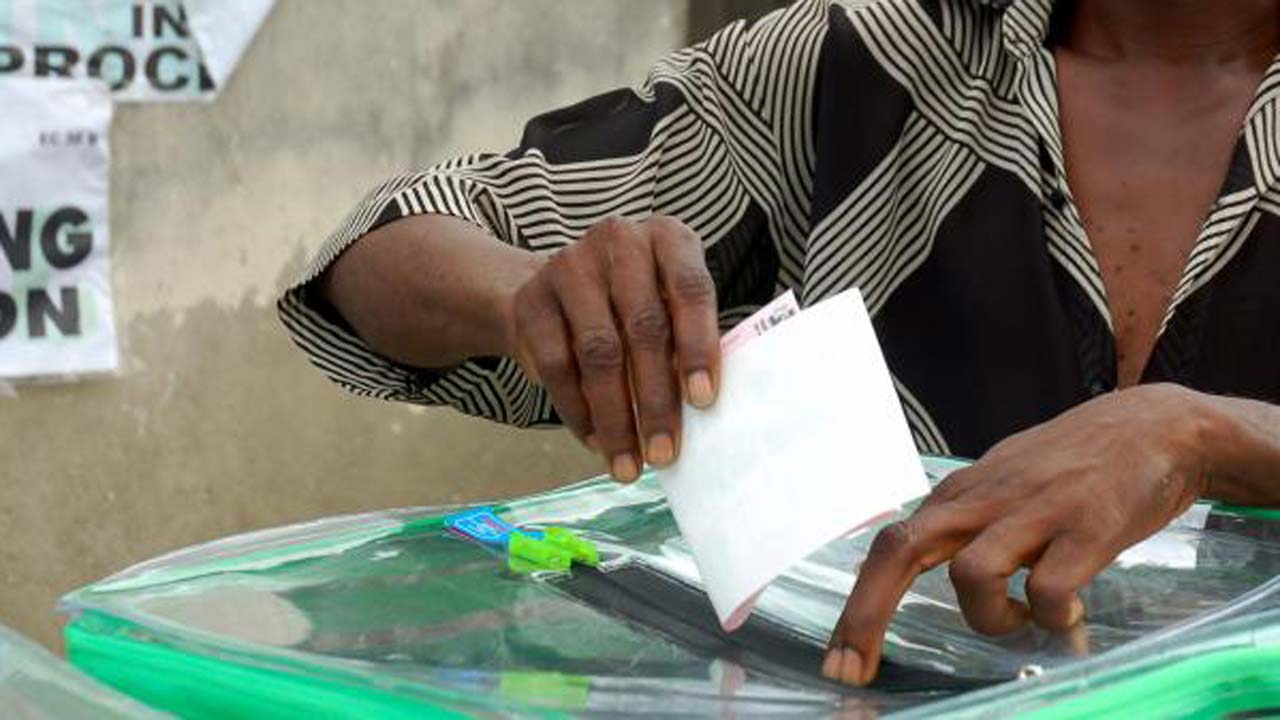
As the 2023 presidential election draws closer, the battle on who to become the president of the country has already begun. Political gladiators have started canvassing and building a strong political structure that will help them defeat their opponents with a landslide victory. Nigerians currently are in a high spirit, expecting that the new president of the country should have the capacity to bring the nation out of its numerous challenges. Nigeria needs a president that is educationally sound and qualified.
It should be recalled that former military president, Ibrahim Badamasi Babangida in an interview with Arise TV sometime last year stated that one quality that Nigerians should look out for in the next president of the country, is one who is educationally qualified. This implies that education plays a vital role in shaping the government policies and decisions of any country. Just recently, it was gathered from a reliable source that the House of Representatives, has passed for a second a bill to bar people without university degrees from contesting the presidential position. This bill was sponsored by Oriyomi Onanuga.
This implies that to contest for federal and state legislature and governorship seats in the country, a candidate will need a minimum of a university degree. If the proposed is passed, it further implies that lawmakers, governors, and presidents must have a minimum qualification of a Bachelor’s degree, a Higher National Diploma, and other degree equivalent certificates. It will interest you to note that several politicians in Nigeria use secondary school or primary school certificates to run for office.
It should be recalled that in the last general election, some politicians presented Diploma as their highest educational qualification, while some presented their Senior Secondary School Certificate, WAEC, as their highest qualification. This is a new and welcome development. If this bill is passed into law, politicians without qualifications up to a degree level will be ruled out especially as the 2023 presidential election is just behind the corner.
This will help strengthen the politics of Nigeria as technocrats will be elected into various offices and proffer solutions to problems bedeviling the country.
More so this new development if it eventually materializes will help raise the value that we place on education in the country. Many youths have lost trust in education because some of the leaders that lead them are not educated as they should. The House of Representatives is working tirelessly to ensure that the bill comes in passed to law.


-
 Latest5 days ago
Cole-Alegbe unveils memoir, urges leaders to harness technology for lasting impact
-
 Business1 week ago
X3M Ideas donates 50 Walkie-Talkies to strengthen security operations in Onigbongbo
-
 Business2 days ago
Nigeria records N12.59trn trade surplus in Q2 2026 — NBS
-

 Business3 days ago
Nigerian Breweries’ H1 profitability strengthens as revenue hits N804bn
-
 Business5 days ago
Jetour G700 PHEV Storms Abuja as Jetour Nigeria Takes Luxury Mobility Showcase to FCT
-
 Business7 days ago
Rising crude prices threaten fresh petrol price hike in Nigeria
-
 Business1 week ago
Naira breaks below N1,330/$, hits strongest level in over two years
-
 Business6 days ago
Multinationals exit Nigeria as economic pressures reshape business landscape