
Comments and Issues
My daughter and seven lashes of the cane

Today, my daughter’s school vacated and I was there to take her back home. These errands, simple though they may seem, stir in me echoes of a bygone era, those quieter, sterner days of our youth. I often recount to my children how, in our time, fathers brought us to school once, and thenceforth, we charted our own course – returning and departing unaided, unescorted. They listen, incredulous, as if I were narrating fables from some forgotten civilisation. Yet, such were the seeds that bred self-reliance, endurance, and that quiet fortitude which our generation wore like a second skin.
But are today’s children to blame for the contrast? Hardly. The fault, if one must apportion it, lies with the times and not the young. In this age of simmering dread and ambient insecurity, what father would knowingly let his child return home alone?
As we drove off, she animatedly shared with me the moments she considered memorable, speaking in bursts, knowing I was pressed for time. I was to leave almost immediately for Udi, where Prof. Patrick Obi and I were to represent Mr. Peter Obi at the silver jubilee of the episcopal ordination of the Auxiliary Bishop of Enugu, His Lordship, Ernest Obodo.
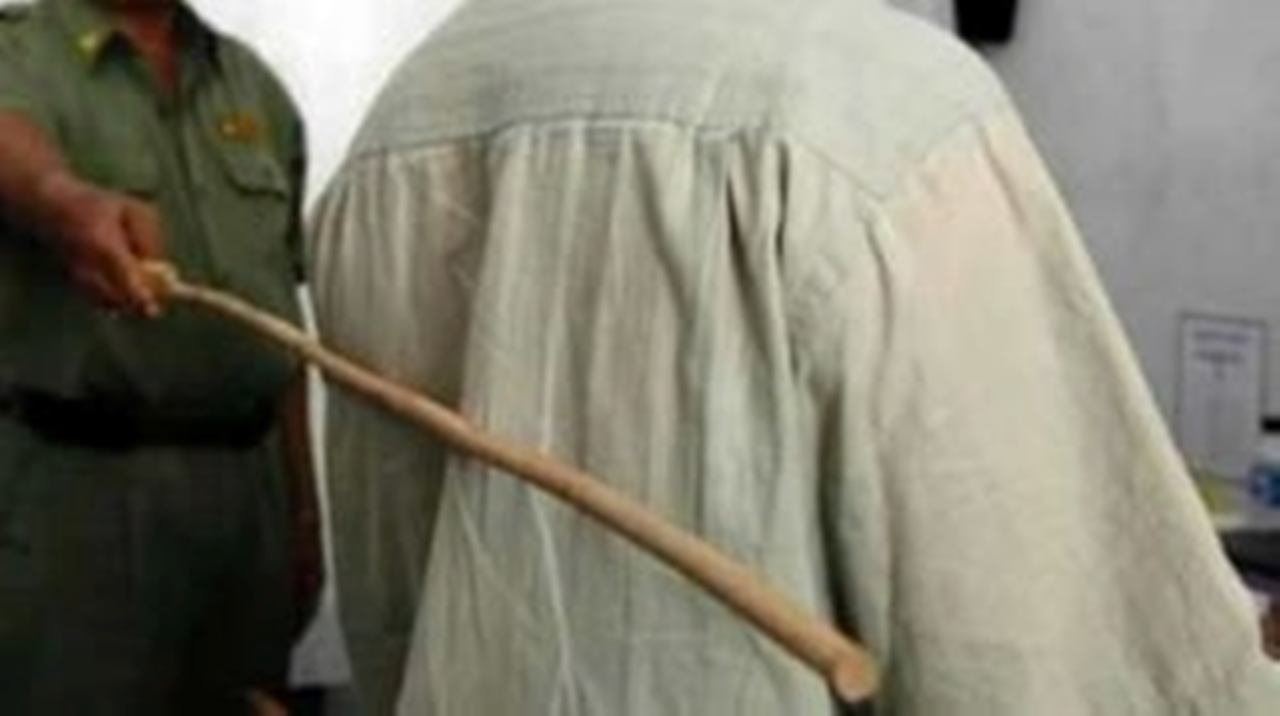
She recounted an incident that had clearly left its mark: a teacher had administered ten strokes of the cane upon her palm – twice the number given to others – simply because their table at the refectory was left unclean. As the most senior student at the table, the teacher reasoned, she bore the responsibility to notice the oversight and ensure correction.
ALSO READ: Tinubu’s greek gift to Northern Nigeria
She narrated the event with a little bitterness and an unspoken hope that I, her father, would rise in protest – even in the absence of the “offending teacher” – against such “injustice.” I know my daughter well; what she sought was not reprisal but empathy, a gesture of shared indignation. She embellished the tale with detail: how pale her palm became, how her “bunkee” massaged it in sympathy, and how others urged her to report the teacher.
I listened, and then I responded with a father’s surpassing love and the tenderness of one who knows that even pain, in its rightful place, is a tutor. I conceded that the lashes were many, perhaps too many. But I added that the teacher’s action, far from warranting punishment, was a lesson in leadership. In that moment of discipline lay a deeper instruction – on responsibility, vigilance, and the moral burden of being the senior.
We did not conclude our conversation upon reaching home; duty called, and I stepped into the waiting vehicle bound for Udi. When I return, I shall resume the dialogue with her. But the question lingers: should I welcome her with a playful song – “Holiday is coming, no more teacher’s cane, no more warning bell…” – or should I press on, gently, with the quiet lessons drawn from the sting of the cane? Perhaps childhood needs both – the laughter that lightens the heart and the wisdom that shapes the soul.


-

 Health3 days ago
ISRT 2026: Global experts converge in Lagos to advance cancer care across Africa
-

 Football4 days ago
Ballon d’Or 2026: The key rules shaping the race for football’s biggest prize
-

 Entertainment6 days ago
Miss World 2026: Four Continental winners battle for automatic top 20 spot (VIDEO)
-

 Business4 days ago
Versat Automobile to launch Chery’s EXEED premium brand in Nigeria
-

 Entertainment6 days ago
Miss World 2026: Meet 24 African Contestants Flying Continent’s Flag in Vietnam(VIDEO)
-

 Comments and Issues4 days ago
Digital Rights and the 2027 Poll in Nigeria
-

 Football4 days ago
Yaya Touré makes history as Slovan Bratislava reaches Champions League league phase
-

 Energy4 days ago
Petrol Price War: Where are Nigerians getting the cheapest fuel?