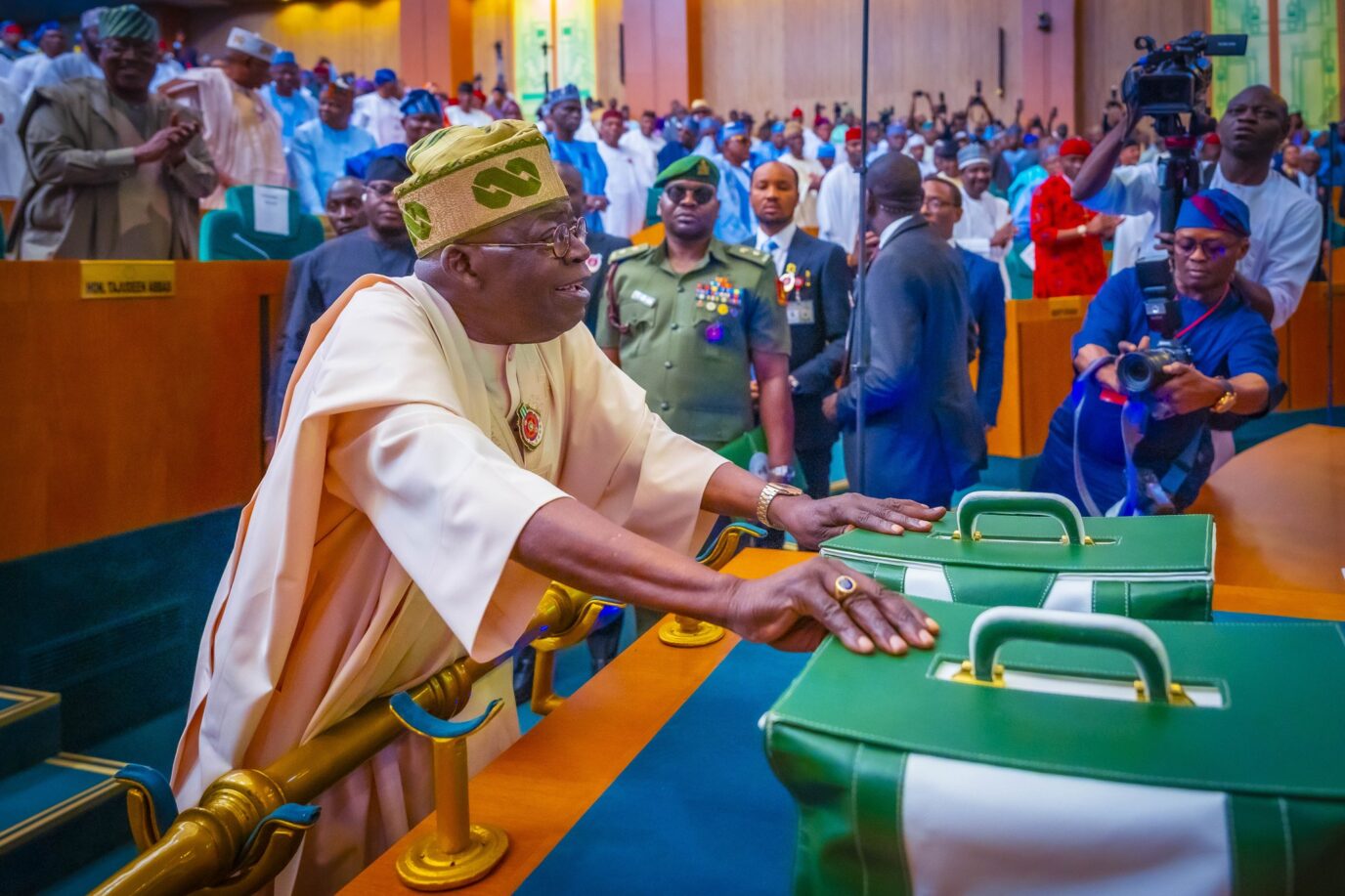
Civic transparency and accountability organisation, BudgIT, has raised concerns over President Bola Ahmed Tinubu’s plan to present the proposed N54.4 trillion 2026 budget to the National Assembly without first releasing a performance and implementation report for the 2025 fiscal year.
The group made its position known in a statement posted on its official X (formerly Twitter) handle on Thursday, ahead of the President’s expected budget presentation to a joint sitting of the National Assembly on Friday.
BudgIT criticised the Federal Government for failing to make public the implementation status of the 2025 Appropriation Act, describing the development as a major accountability gap in the country’s budgeting process.
“Mind you, there is still no budget implementation report for 2025,” the organisation stated.
“The 2026 budget is almost here, yet we don’t know how the 2025 budget performed. No report. No accountability.”
President Tinubu had, in February 2025, signed the N54.99 trillion 2025 budget into law, describing it at the time as a fiscal instrument designed to drive economic stability, infrastructure development, and social welfare.
However, BudgIT argues that without a clear assessment of how the 2025 budget was implemented, lawmakers and Nigerians lack the necessary data to properly scrutinise and evaluate the assumptions underpinning the 2026 proposal.
Experts React
Public finance analysts have echoed BudgIT’s concerns, warning that the absence of a budget performance report undermines transparency and weakens legislative oversight.
Speaking on the matter, Dr. Muda Yusuf, Chief Executive Officer of the Centre for the Promotion of Private Enterprise (CPPE), said budget implementation reports are critical to evidence-based policymaking.
“You cannot meaningfully discuss a new budget when there is no official data on how the previous one performed. Budget performance reports help lawmakers and the public understand what worked, what failed, and where adjustments are needed,” Yusuf said.
Similarly, economist and public policy analyst, Professor Oluwatosin Adeniyi, noted that recurring delays in publishing budget implementation reports could erode public trust.
“Fiscal transparency is not optional in a democracy. When governments fail to account for how approved funds were spent, it raises questions about efficiency, value for money, and governance standards,” Adeniyi stated.
He added that timely disclosure of budget performance is especially important given Nigeria’s rising debt profile and increasing debt service obligations.
As the National Assembly prepares to receive the 2026 budget proposal, analysts say the growing calls for accountability may intensify pressure on the executive to publish the 2025 budget implementation report and strengthen transparency in the country’s public finance management.



 Crime1 week ago
 Football1 week ago
 Football1 week ago
 Business1 week ago

 Football1 week ago
 Business7 days ago
 Football1 week ago