
Latest
Reactions follow US strikes on terrorist targets on Christmas Day

Published
2 months agoon
By
Olu Emmanuel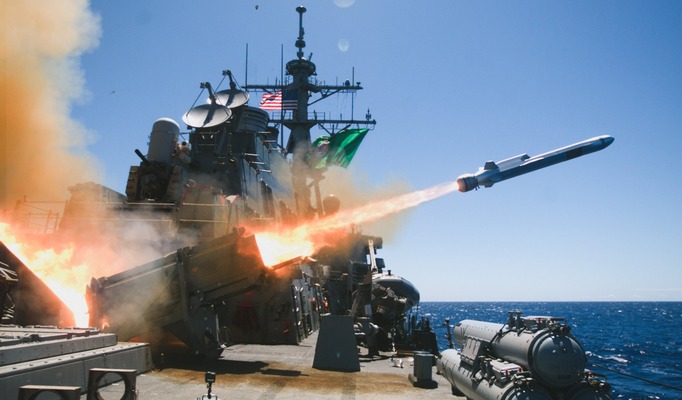
Nigerian citizens have responded with sharply divided opinions to the U.S. military strikes on ISIS-linked targets in Sokoto State on Christmas Day, with reactions ranging from gratitude and relief to concerns about sovereignty and accusations of government failure.
On social media platforms and in public statements, Nigerians grappled with the implications of foreign military action on their soil, even as the government confirmed it had cooperated with Washington in the operation.
Renowned Nigerian writer Abubakar Adam Ibrahim expressed support for the strikes on Facebook, stating he was not angry about the US military action and that if Nigeria’s military hadn’t been able to strike these terrorists, he was glad someone else was doing it. He added that he hoped Nigeria would “wake up to its responsibilities.”
Security analyst and human rights lawyer Bulama Bukarti welcomed the development, saying he was pleased Trump had worked with the Nigerian government rather than acting unilaterally, noting the strikes could help degrade the Lakurawa group’s leadership and logistical capacity.
From Nigeria’s Muslim-majority north, one commenter framed the strikes as necessary pressure on extremists. Writing as a northern Muslim, the commenter stated that if someone truly rejects ISWAP, a bomb hitting their camp should not trouble them, describing the operation as pressure on extremists who have murdered Muslims across the north.
Another Nigerian thanked the US and Trump directly, stating: “Thank you USA and President Trump, you are a cooperative big brother. With Aso Villa’s permission, you bombed those terrorists. Please give the terrorists hell”.
Sheikh Gumi’s Fierce Condemnation
Prominent Islamic cleric Sheikh Ahmad Gumi issued one of the strongest rebukes of the operation, calling on President Bola Tinubu’s government to immediately halt all military cooperation with the United States.
Gumi urged the federal government to immediately suspend military cooperation with the United States, accusing Washington of imperial tendencies and warning of political consequences. He described the timing and location as deeply troubling, stating that an attack on Sokoto, where over 90 percent are Muslim with no imminent danger of terror, while the real threat is in Maiduguri, says a lot.
The cleric warned that US involvement would attract real anti-US forces, making Nigeria a theater of war, and argued that no nation should allow its land to become such a battlefield. He suggested Nigeria should instead seek military assistance from China, Turkey, and Pakistan, which he described as more neutral powers.
Gumi raised concerns about what he described as the symbolism of the reported strike, alleging it could fuel religious tensions and describing the attacks as symbolic of a harbinger of a neo-Crusade war against Islam.
While acknowledging that Islam permits fighting terrorism, Gumi insisted such actions should only be carried out by clean, holy hands, not by another terrorist whose hands are stained with the blood of hundreds of thousands of innocent children, women, and men.
The cleric also dismissed the effectiveness of airstrikes alone, arguing that dropping bombs cannot tackle terrorism effectively and that Nigeria has sufficient personnel for ground operations if properly mobilized. He warned that the issue could dominate political debates ahead of the 2027 elections, stating that Nigerians are too educated to be played.
Other Criticism and Sovereignty Concerns
Former Senator Shehu Sani described the military action as justifiable provided it was carried out in collaboration with Nigerian authorities, but cautioned that the ultimate security and peace in Nigeria lies with Nigerians themselves, not with the US or any foreign power.
Activist Omoyele Sowore strongly criticized the strikes, describing them as a violation of Nigeria’s sovereignty and evidence of leadership failure, claiming the strikes were executed without genuine authority or informed consent despite government statements. He alleged Trump neither understands nor genuinely cares about Nigeria or Nigerians.
Human rights activist Kay Ajude highlighted what he saw as a troubling irony, noting that Nigeria conducts airstrikes in Benin Republic to create stability while the U.S. strikes Nigeria for the same purpose.
Local Fear and Confusion
Pandemonium broke out Thursday night in Jabo, a town in Tambuwal Local Government Area of Sokoto State, following the U.S. military airstrikes, with residents reportedly alarmed by the explosions and uncertain about what was happening in their communities.
Al Jazeera’s Ahmed Idris, reporting from Lagos, pointed out that Sokoto State is predominantly Muslim and questioned the characterization of the violence, saying the state is probably the last place many Nigerians would think Christian persecution is happening, as he could recall few if any attacks on Christians in the region.
This observation sparked debate about whether the framing of Nigeria’s security crisis as primarily targeting Christians accurately reflects the complex reality on the ground, where both Muslims and Christians have suffered from extremist violence.
The Nigerian government maintained a measured stance. The Ministry of Foreign Affairs confirmed the strikes were part of structured security cooperation and intelligence sharing with the United States, conducted with full respect for Nigeria’s sovereignty and international law.
Major General Samaila Uba, the Nigerian military’s director of defence information, said Nigeria’s armed forces, in conjunction with the US, had carried out the strike based on credible intelligence and careful operational planning, with approval from federal government authorities.
President Bola Tinubu, in a Christmas message posted before the strikes were announced, pledged to do everything within his power to enshrine religious freedom in Nigeria and to protect Christians, Muslims, and all Nigerians from violence.
The reactions underscore Nigeria’s internal divisions over how to address its multifaceted security crisis. While some citizens welcome international assistance against terrorist groups that have killed thousands, others—led by voices like Sheikh Gumi—view foreign military intervention as a humiliating reminder of the government’s inability to secure its own territory and a potential catalyst for deeper religious and political divisions.
As Defense Secretary Pete Hegseth’s warning of “more to come” hangs in the air, Nigerians continue debating whether the strikes represent helpful cooperation or a troubling precedent for foreign involvement in their country’s affairs—with some, like Gumi, warning that the issue will become a major flashpoint in the 2027 presidential campaign.

You may like
Trending

 Entertainment6 days ago
Simi addresses resurfaced 2012 tweets amid online backlash

 Health1 week ago
SCFN, LUTH introduce bone marrow transplants as curative treatment for sickle cell

 Health4 days ago
Declassified CIA memo explored concealing mind-control drugs in vaccines

 Football1 week ago
Harry Kane nets brace as Bayern edge Frankfurt 3–2 to go nine points clear
 Football1 week ago
Late Flemming header stuns Chelsea as Burnley snatch 1–1 draw at Stamford Bridge
 Crime5 days ago
Senior police officers faces retirement after Disu’s appointment as acting IGP
 Education6 days ago
Peter Obi urges JAMB to address registration challenges ahead of exams
 Health6 days ago
NAFDAC issues alert on suspected revalidated SMA Gold infant formula