
Latest
Trump signals breakthrough in US–Iran talks as Strait of Hormuz reopening nears

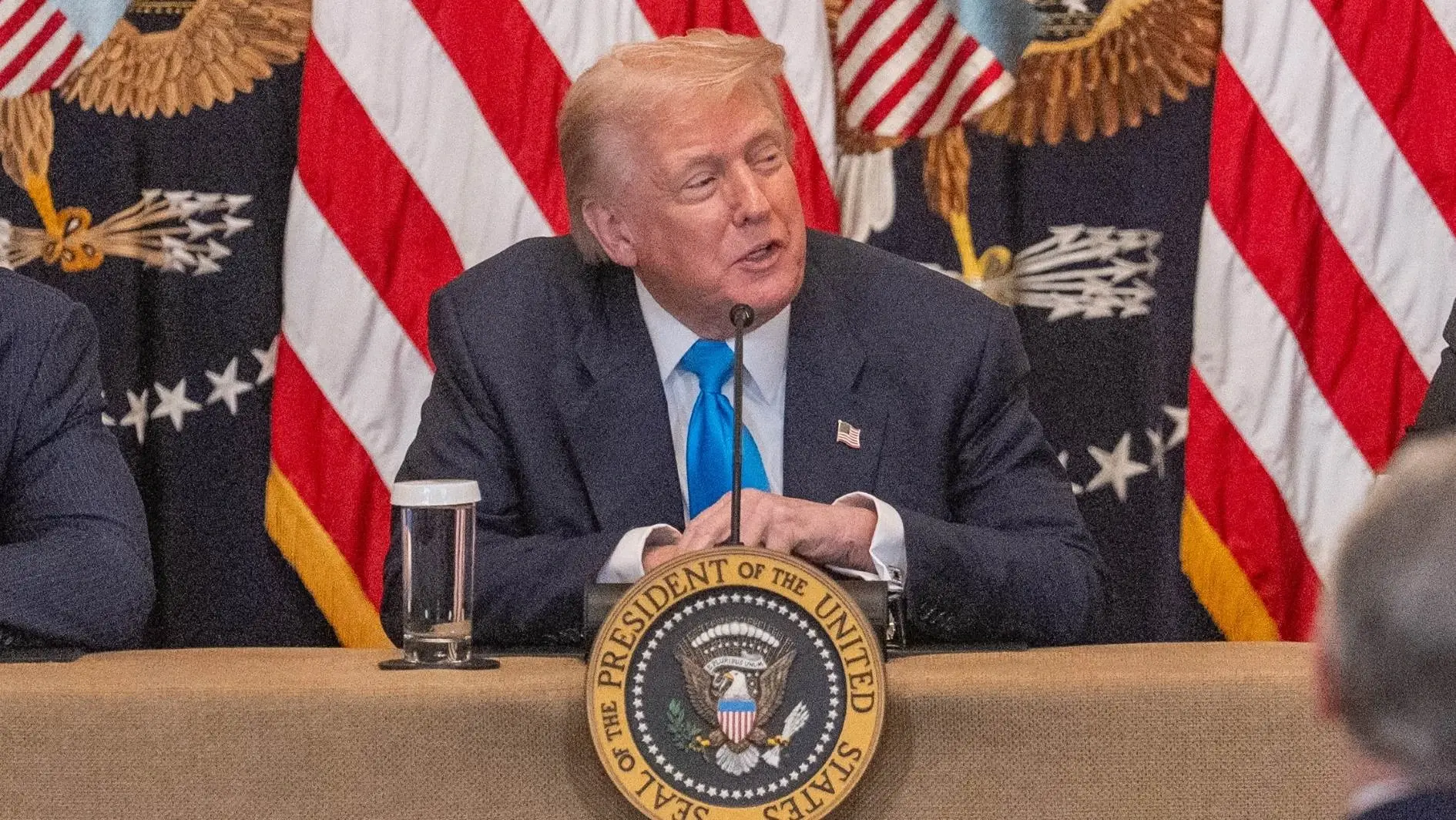
US President Donald Trump has announced that a proposed agreement between the United States and Iran aimed at easing tensions in the Middle East and reopening the strategic Strait of Hormuz has been “largely negotiated,” raising hopes of a major diplomatic breakthrough after months of conflict and instability in the Gulf region.
Trump disclosed on Saturday that negotiations had made significant progress following intensive consultations involving several Middle Eastern leaders and international stakeholders, although final details of the agreement were still being worked out.
According to the US president, the emerging framework is expected to include the reopening of the Strait of Hormuz, one of the world’s most important maritime oil transit routes, which has experienced severe disruptions amid escalating hostilities involving Iran, the United States and Israel.
“An agreement has been largely negotiated, subject to finalisation,” Trump reportedly stated, adding that further details would be announced soon.
The Strait of Hormuz, located between Iran and Oman, remains one of the most strategically sensitive waterways in the world.
A substantial percentage of global oil and liquefied natural gas shipments pass through the narrow shipping corridor daily, making stability in the region critical to global energy markets.
Repeated threats to maritime security and disruptions to commercial shipping in recent months triggered sharp concerns among world leaders, energy traders and financial markets, with oil prices experiencing volatility amid fears of prolonged supply interruptions.
International shipping firms had also reportedly reduced traffic through the area following naval confrontations and rising military tensions linked to the 2026 Iran conflict.
READ ALSO: Oil prices tumble 6% as Trump signals “final stages” of US–Iran peace talks
Analysts say the reopening of the Strait could significantly ease pressure on global energy prices and reduce fears of wider economic disruption.
Reports surrounding the proposed deal indicate that the framework may involve a formal declaration aimed at ending current hostilities, alongside guarantees for the safe reopening of maritime routes through the Strait of Hormuz.
The agreement is also expected to establish a phased negotiation process addressing broader disputes between Washington and Tehran, including regional security concerns and future diplomatic engagement.
Trump revealed that he had spoken with leaders from several countries including Saudi Arabia, United Arab Emirates, Qatar, Turkey, Egypt, Jordan, Bahrain and Pakistan during the diplomatic effort.
He also confirmed holding separate discussions with Israeli officials as behind-the-scenes negotiations intensified.
The latest diplomatic push follows months of heightened military tensions in the Gulf region after the outbreak of the 2026 Iran conflict earlier this year.
The crisis triggered naval confrontations, missile threats, military deployments and disruptions to international shipping routes, prompting fears of a wider regional war involving multiple global powers


-

 Business5 days ago
CBN reduces MPR by 350bps to 23% in major monetary policy shift
-

 Football4 days ago
Saka: England still carry World Cup scar
-

 Comments and Issues6 days ago
Sometimes, goodwill finds us through the people we love
-

 Business1 week ago
Jetour takes T1 adventure SUV experience to Abuja, targets growing Nigerian market
-

 Latest19 hours ago
Pastor Chris Oyakhilome announces mother’s passing at 88 [VIDEO]
-

 Latest2 days ago
Arsenal eye €70-80m move for Real Madrid star
-

 Football1 week ago
Nigeria vs Colombia: Falconets battle for U-20 World Cup semi-final ticket
-

 Crime2 days ago
Police arrest suspect, launch manhunt for 2 others over Delta Education Director’s death