
Football
PSG fan drowns in River Seine amid violent celebrations after Champions League victory

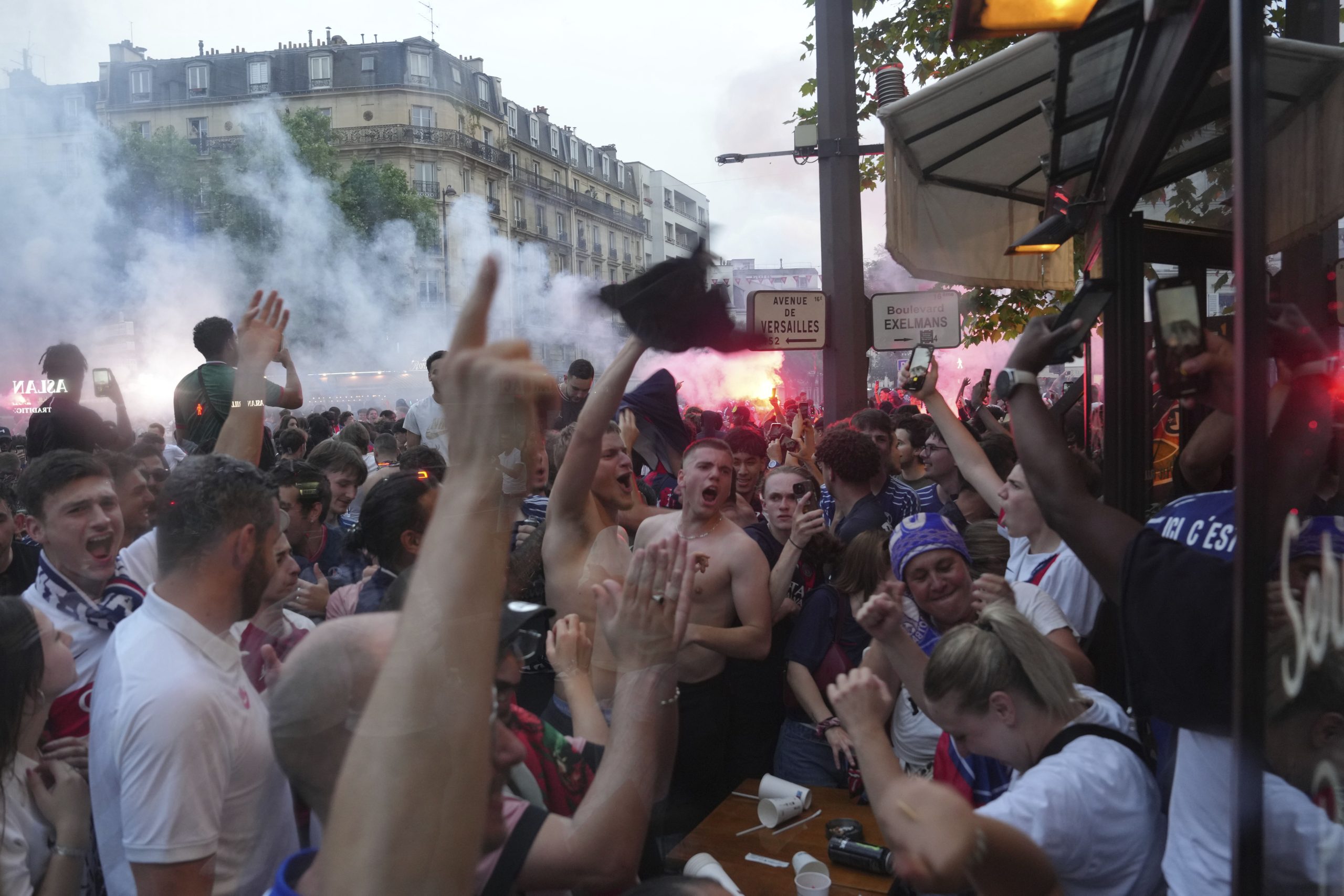
A supporter of Paris Saint-Germain has died after drowning in the River Seine during chaotic celebrations following the club’s UEFA Champions League victory over Arsenal.
The unnamed fan, believed to be in his 30s, was discovered on Sunday morning beneath the Louis-Philippe Bridge near Notre Dame Cathedral in Paris.
Emergency responders recovered his body around 7 a.m., but attempts to resuscitate him were unsuccessful, according to an investigating source.
Authorities said the man had been celebrating PSG’s historic triumph and was reportedly under the influence of alcohol before entering the river. Witnesses told investigators he had been part of late-night festivities when he jumped into the water.
“River police took the body out of the river at around 7am, but attempts to revive the man, who was in his 30s, failed,” the source said. “Witnesses described how he was out celebrating PSG’s win, and had been drinking heavily before jumping into the water.”
French prosecutors have opened an investigation into the incident and are calling on witnesses in the area to assist with inquiries.
READ ALSO: PSG edge Arsenal on penalties to retain Champions League crown
In a separate but related incident, another man who also entered the River Seine during the celebrations is currently in critical condition at a hospital in Paris. Authorities said he suffered cardiac arrest despite emergency intervention.
The drowning is the second fatality linked to the post-match unrest. Earlier on Sunday, a 23-year-old PSG supporter died following a motorbike crash on the Paris ring road. Prosecutors said CCTV footage showed he was the only person involved in the accident, noting that traffic cones marking a concrete barrier had reportedly been displaced during the celebrations.
The victory celebrations in Paris descended into widespread disorder after PSG defeated Arsenal on penalties in Budapest to secure the Champions League title. Authorities reported nearly 790 arrests nationwide, including about 400 in Paris alone.
Violence and vandalism were recorded across multiple locations. Shops were looted, fireworks were directed at police officers, and major roads were blocked as celebrations spiralled out of control. Riot police deployed tear gas and baton charges near the Parc des Princes, where thousands of fans had gathered to watch the final on big screens.
Tourists in affected areas were reportedly escorted back to their hotels as security forces attempted to restore order. Some supporters climbed scaffolding near Rue de Rivoli, further escalating tensions in central Paris.
The French Interior Ministry said around 8,000 officers were deployed across greater Paris, with thousands of people stopped and searched. Authorities recovered items suspected to be weapons, including knives and clubs.
Prosecutors also confirmed an attempted murder investigation after a 17-year-old was attacked near the Champs-Élysées during the unrest. The teenager remains in critical condition, while police continue to search for suspects.
Violence was also reported in other cities including Rennes, Strasbourg, and Grenoble as celebrations spread beyond the capital.
What was meant to be a historic night for PSG has now been overshadowed by multiple deaths, injuries, and widespread violence, prompting renewed scrutiny of crowd control during major sporting celebrations in France.


-

 Business5 days ago
Abuja gears up for Jetour T2’s rugged-luxury experience
-

 Business7 days ago
Nigeria Business Outlook: Dangote IPO, markets, inflation and naira in focus this week
-

 Business7 days ago
Dangote IPO rush crashes Bamboo login as investors flood platform
-
 News4 days ago
UK, Canada pledge closer cooperation on trade, defence and AI
-
 Business5 days ago
Tinubu’s economic reforms face public confidence test as cost-of-living crisis persists
-

 Business5 days ago
Dangote: Petrol price gap fuels smuggling as Nigeria faces fresh pump price surge
-
 Latest1 week ago
Hamzat meets Pastor Chris Oyakhilome, hails Christ Embassy’s community impact
-

 Latest5 days ago
Court sets 7-day window for Atiku to serve Tinubu in 2027 suit