
Comments and Issues
NDC: The way forward

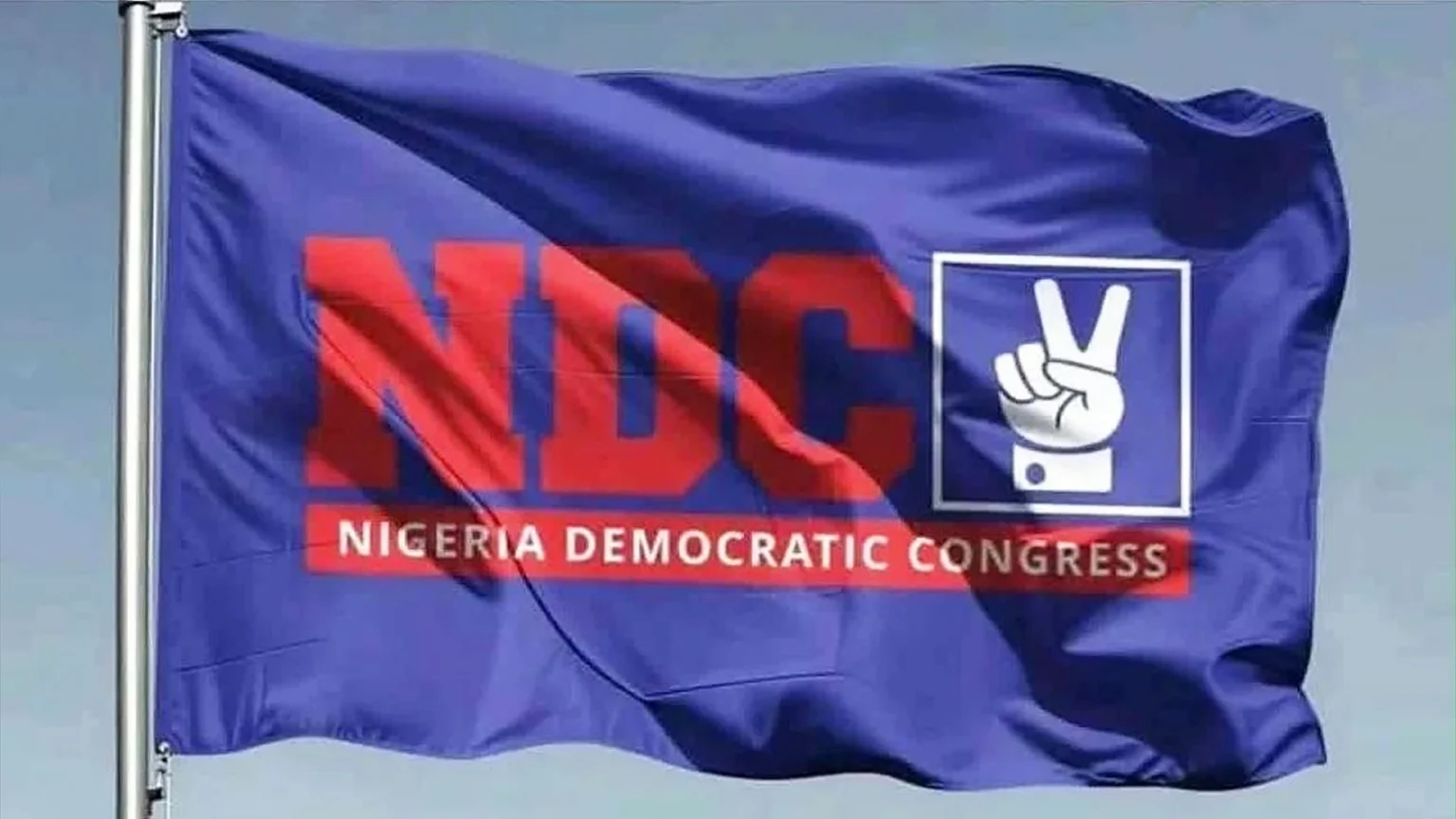
When I recently asked who the NDC candidate for the Anaocha 1 House of Assembly constituency was, many people celebrated prematurely. Without understanding my true motives, they simply granted their imaginations free rein. The more mischievous among them seized upon the question as though they had discovered a new route to India.
But let us be honest: the just-concluded primary elections across the various political parties were far from perfect. In my own constituency, for instance, the individual currently being projected for the House of Assembly seat is arguably the last person who should be considered. There is no convincing reason that can justify his anticipated emergence.
Beyond the widespread allegation that he is a mole planted by the state government, he is the same individual whom two of Peter Obi’s predecessors repeatedly used in their political battles against him in our hometown. He actively worked and succeeded in the imposition of a caretaker arrangement in our town, a development that set us back considerably. Worse still, he remains one of the unseen forces behind over 90% of the local attacks on Obi by certain elements in Agulu. If those promoting him are genuinely searching for individuals who have never attacked Obi and have no history of working against him, then he ought to be their very last choice if they were sincere. This is precisely the type of political imperfection I am referring to.
However, the organisational frictions currently being experienced within the NDC are both understandable and entirely human. This is not the time for internal blame games. Rather, we must understand the circumstances that have produced the present situation.
Those currently in power have relentlessly pursued Obi wherever he turns. Their actions remind me of the lament of a frustrated trader who said that if he were to sell burial shrouds, people would stop dying; and if he were to sell candles, the sun would never set.” Yet the difference is that Obi possesses a resilience that defies frustration.
After engineering the destabilisation of the Labour Party, political forces moved to infiltrate and undermine the ADC. Had Obi not made the strategic decision to leave, that party might have become entangled in endless legal battles and certainly would have been excluded from the ballot altogether. Even the attitude of some of its leading figures suggested that they were more interested in exploiting Obi’s popularity to market the party in the interest of others than in according him the respect he deserved. Mr Kenneth Onuku Okonkwo’s public utterances provide sufficient evidence of this disposition.
Ultimately, in a swift last-minute masterstroke, Obi found a political home in the NDC – a move reminiscent of the Igbo concept of “iku mbe”- strategic survival. Yet this decision came with its own structural realities. The NDC already had an established foundation, while Mr. Obi and Alhaji Rabiu Kwankwaso arrived with their own large and well-organised political movements. Given the compressed electoral timetable, there was very little opportunity for thorough harmonisation. The hurried integration of these different political structures lies at the heart of the current challenges.
This is therefore not a situation that should provoke panic or inspire endless epistles condemning the party. With time, the rough edges will be smoothed out and the structures will align more effectively.
For this reason, it is both unfair and deeply mischievous for critics to judge Obi based on internal imperfections that were practically unavoidable under such extraordinary circumstances. More puzzling is why supporters of the APC, APGA and ADC appear so distressed by these issues in NDC when similar imperfections within their own parties are far more pronounced.
As our people wisely say, “Agaghị eji ngbagbu ghara ọgụ.” We do not abandon a just struggle simply because there are casualties. To retreat in the face of an assault is often to embrace defeat. The alternative, in some cases, is collective political suicide.
Nigeria today is a political battlefield. We are in the trenches, striving to rescue our nation from self-serving leaders who have captured its institutions and diverted its promise. The magnitude of this task demands unity of purpose and collective sacrifice. We cannot afford to allow local disappointments or temporary growing pains to distract us from the larger objective.
Yes, every political party has fallen short of democratic ideals in one way or another. But these are internal deficiencies that principled leadership, anchored on equity and justice, can address and correct. The more urgent challenge before us is the rescue and rebuilding of the nation itself. Achieving that goal requires the election of a leader with a proven record of competence, integrity and effective governance.
In all fairness, Peter Obi embodies those qualities. His record speaks for itself, and millions of Nigerians who yearn for genuine progress recognise that he remains one of the most credible pathways to the better future our country desperately seeks.


-
 Latest6 days ago
Israel marks 3 years since October 7 Hamas attack amid Gaza strikes, election debate
-

 Energy6 days ago
Fuel Battle: Dangote, marketers and government clash over petrol imports
-

 Energy7 days ago
Petrol, diesel prices rise 86% in 2026 as costs hit fresh highs
-
 Energy1 week ago
Has Iran lost control of the Strait of Hormuz? Oil flows rebound as war disruptions persist
-

 Football7 days ago
Nigeria’s World Cup exit under spotlight as FIFA’s DR Congo files emerge
-
 Latest6 days ago
US Court set to rule on release of FBI, DEA records on Tinubu
-

 Business7 days ago
Nigerian investors at a crossroads as fixed-income yields slide
-

 Business1 week ago
LoveWorld Trade and Investment Forum to Convene Business Leaders in Accra