
Latest
Mass abduction rocks North-West Nigeria, 30 Christians abducted

Published
2 months agoon
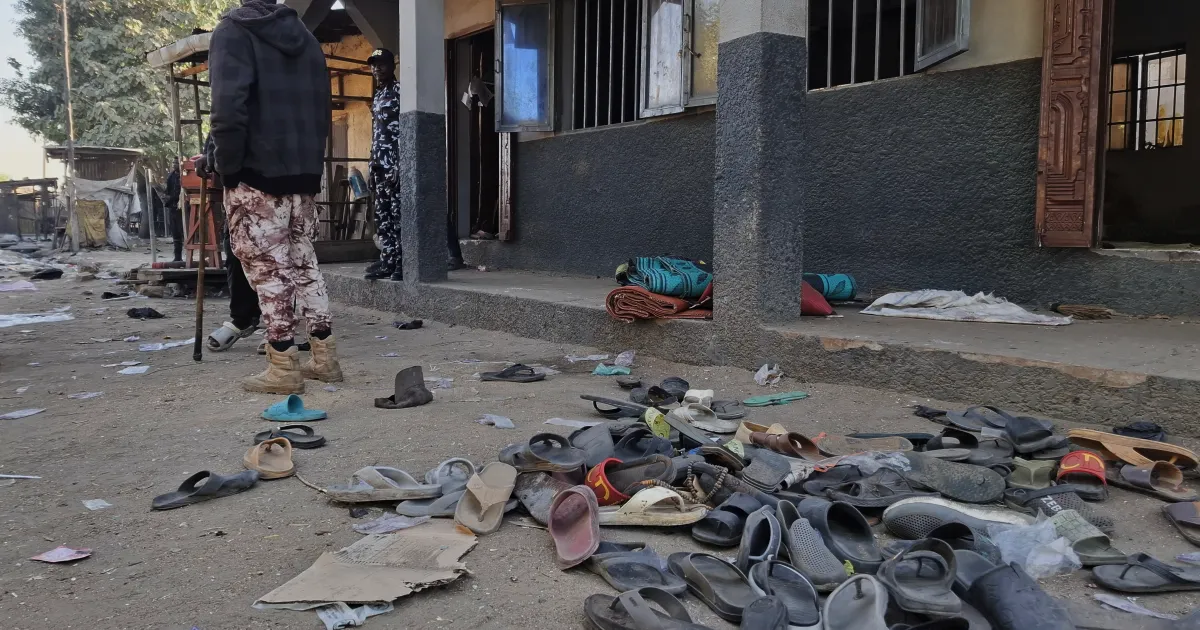
More than 30 Christians, including a local catechist and his pregnant wife, were kidnapped in an attack by suspected Fulani herdsmen on the Kutaho and Kugir communities in north-western Nigeria, authorities and Church leaders have confirmed.
The assault, which took place on 9 February, forced an estimated 95 per cent of the local population to flee, according to Fr Linus Mathew Bobai, parish priest of St Joseph’s Catholic Church in the Archdiocese of Kaduna.
“We are very tense. Some of us are afraid but we cannot run away because we are pastors, and we encouraged a few others to stay behind and look after the community,” Fr Bobai said.
This incident is the latest in a disturbing series of abductions targeting Christian communities across Nigeria’s Middle Belt. In the first week of February alone, six teenagers were kidnapped during a night vigil at St John of the Cross Catholic Church in Utonkon, while Fr Nathaniel Asuwaye and ten others were abducted from Holy Trinity Parish in the Diocese of Kafanchan on 5 February.
In a separate attack on 18 January, 177 Christians were kidnapped from Kurmin Wali during church services, though they were later released after two weeks in captivity.
The recent spate of kidnappings has drawn strong condemnation from Church leaders. On 12 February, priests, nuns, and religious leaders in Taraba State staged a protest to decry what they called a “heartbreaking carnage” that has left at least 100 dead and displaced more than 90,000 Christians since the start of the year.
“The suspected Fulani militias who carry out these attacks usually come in the wee hours, mostly while people are sleeping, and launch the attacks, killing anyone in sight and setting houses and harvests ablaze,” said Fr James Yaro of the Diocese of Wukari.
Experts describe the surge in kidnappings as a deliberate “message of defiance” from terrorist groups, noting that attacks have persisted despite increased international attention, including US military assistance.
US Congressman Riley Moore warned that efforts to strengthen separatist movements could further endanger Christian communities. In a social media statement on 14 February, he stressed that proposals to divide Nigeria have not featured prominently in discussions with local stakeholders. “Efforts to embolden separatists hurt Christians in Nigeria, especially in the North and Middle Belt,” he said.
READ ALSO: Nigeria’s security crisis deepens as mass abductions surge, calls for State Police grow
Moore also highlighted a recently signed security cooperation agreement between the United States and Nigeria, describing it as a “significant step” in addressing violence and strengthening bilateral relations.
During a fact-finding visit in December, Moore met with Nigeria’s National Security Adviser, Nuhu Ribadu, as well as local governors, religious leaders, and internally displaced persons (IDPs) to assess the humanitarian impact of the ongoing insecurity.
Nigeria’s First Lady, Oluremi Tinubu, described US military strikes on Islamist militants in north-west Nigeria as a “blessing” and indicated that President Bola Tinubu’s administration welcomes further US collaboration.
“The intervention of the US was quite a welcome development,” Tinubu told Fox News Digital, noting ongoing efforts by the Nigerian government, including a nationwide security emergency, recruitment of 50,000 new police officers, and redeployment of more than 11,000 officers from VIP protection duties to conflict-prone areas.
Tinubu also emphasized that US engagement has facilitated meaningful dialogue between the two countries on security matters. “We have that attention. We have the conversation going. And we are expecting that there will be more… It’s going to yield better fruit for us and also for America,” she said.
Security analysts say the repeated attacks and abductions signal both the increasing boldness of armed groups and the vulnerability of communities in the Middle Belt.
Analysts note that kidnappings serve as both a financial strategy—through ransom demands—and a method of instilling fear and weakening local governance structures.
International observers point out that strengthened US-Nigeria cooperation could provide technical intelligence, logistical support, and capacity building for Nigerian security forces, potentially disrupting militant supply chains.
However, experts caution that sustainable protection requires coordinated engagement with local communities, improved early-warning systems, and systematic disruption of insurgent networks rather than relying solely on military interventions.
The escalating violence in the region underscores the urgent need for a multi-layered approach combining security, humanitarian assistance, and socio-economic interventions to restore stability and protect vulnerable populations.
Nigeria’s security challenges continue to attract global attention. King Charles III is expected to host the Tinubus on 18-19 March for Nigeria’s first state visit to the UK in 37 years, which some analysts view as an opportunity to highlight the country’s security and humanitarian crises on the international stage.
Meanwhile, Church leaders and local communities in the Middle Belt continue to appeal for urgent action to prevent further loss of life and displacement, emphasizing that the protection of civilians remains a critical priority.

You may like
Trending

 Maritime1 week ago
Nigeria sits at the center of West Africa’s stolen vehicle trade

 Football7 days ago
The “Old Guard” of Europe: Exploring the 10 longest-serving managers in the top five leagues
 Latest1 week ago
2027 will be my final presidential bid, says Atiku

 Latest1 week ago
ADC convention: Aregbesola accuses INEC of dereliction of duty, insists party met all Legal requirements

 Health1 week ago
GMO foods linked to increased risk of health problems in children

 Energy6 days ago
Fuel price surge deepens economic pressure across Nigeria
 Energy7 days ago
Nigerians express frustration as electricity crisis deepens across the country

 Comments and Issues7 days ago
UK’s Coventry University: The Panacea to Nigeria’s Crashing Higher Education?