
Crime
EFCC arraigns former Access Bank employee over alleged N294.6m theft

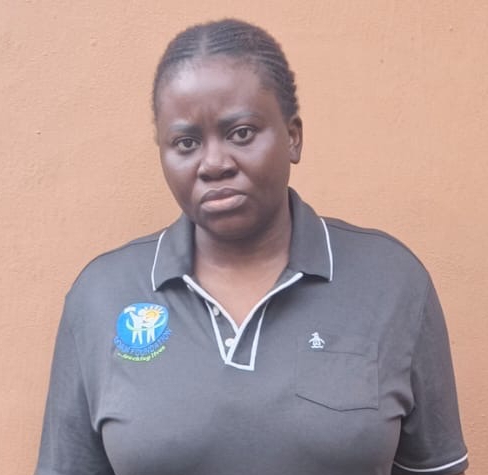
The Lagos Zonal Directorate 2 of the Economic and Financial Crimes Commission (EFCC) has arraigned a former staff member of Access Bank Plc, Chinonso Akujobi, over the alleged theft of N294,595,992.
Akujobi was arraigned on Thursday before Justice I.O. Ijelu of the Lagos State High Court sitting in Ikeja on a five-count charge bordering on alleged stealing and unlawful conversion of the bank’s funds.
READ ALSO: EFCC re-arraigns ex-Skye Bank chairman Tunde Ayeni over alleged N15.6bn fraud
According to the EFCC, the defendant allegedly diverted a total of N294.6 million while in the employment of Access Bank between January and December 2025.
One of the charges alleges that Akujobi, with dishonest intent, unlawfully transferred N109,325,566.86 from the bank’s general ledger into Access Bank accounts allegedly linked to her and identified as Chinonso A., Uchechi A., and Florence A., without authorisation.
The anti-graft agency said the alleged act contravenes Sections 280 and 287 of the Criminal Law of Lagos State, 2015.
The defendant pleaded not guilty to all five counts when the charges were read in court.
Following the plea, EFCC prosecuting counsel, S.M. Yabo, urged the court to fix a date for trial and requested that the defendant be remanded in a correctional facility pending the hearing of her bail application.
Justice Ijelu subsequently adjourned the matter until October 8, 2026, for the hearing of the bail application and commencement of trial.
The court also ordered that Akujobi be remanded at the Ikoyi Correctional Centre pending further proceedings.


-

 Latest1 week ago
US Immigration fees rise from October 16 as USCIS announces new charges
-
 Latest2 days ago
Israel marks 3 years since October 7 Hamas attack amid Gaza strikes, election debate
-

 Business7 days ago
Nigeria’s $55bn reserves raise fresh questions over naira value
-
 Health6 days ago
Florida sues Pfizer over deceptive COVID-19 vaccine marketing
-

 Crime6 days ago
From camp to captivity: How kidnappers now target NYSC Corps members on highways
-

 Featured7 days ago
2027: Can Nigeria’s opposition still unite behind a single presidential candidate?
-

 Crime6 days ago
Fulani Militia leader linked to Christian killings arrested in Plateau
-

 Energy2 days ago
Fuel Battle: Dangote, marketers and government clash over petrol imports