Lagos Mainland Local Government has pledged financial and institutional support for the Child Diversion Programme aimed at keeping juvenile offenders out of the conventional criminal justice system and steering them toward rehabilitation.
The initiative, championed by the Bureau of Public Defender in partnership with UNICEF, was presented during a sensitization program designed to deepen grassroots acceptance of diversion mechanisms across Lagos State.
Chairman of Lagos Mainland Local Government, Jubril Kolawole Emilagba, said the council welcomes the programme and is prepared to mobilise stakeholders and allocate public funds to ensure its success within the community.
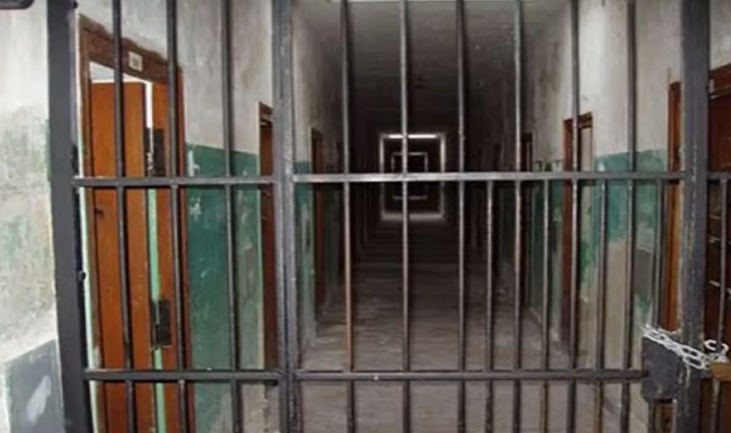
Speaking on behalf of UNICEF, Programme Officer attached to the Bureau of Public Defender, Ms Gloria Odimba, said the diversion model is designed to prevent children who commit minor offences from being remanded in custodial centres alongside adults.
“Children who committed minor offences should take an alternative route away from the criminal justice system to a system that is child friendly. This is the advocacy we bring to your community and local council. We are saying that instead of punishment, the diversion programme looks at rehabilitation and the local council is important in the process if it must succeed,” Odimba said.
Also addressing participants, Director at the Bureau of Public Defender, Mr Olajide Odusanya, stressed that the programme seeks to shield vulnerable minors from lifelong stigma and trauma associated with detention.
ALSO READ: Police refute arresting rape victim in viral Ogun TikTok case
The diversion programme represents a shift from punitive measures to restorative and rehabilitative approaches, placing local councils at the centre of child protection and early intervention efforts across Lagos State.
The initiative builds on earlier efforts that began in Mushin Local Government and Ojuwoye LCDA, where the programme has reportedly rehabilitated over 200 children since its implementation in partnership with the Lagos State Government.
The program originated from a 2016 UNICEF survey that revealed Lagos had the highest number of children in detention among states surveyed nationwide, prompting strong advocacy for community-based rehabilitation as an alternative to formal prosecution and detention.
Under the diversion model, first-time juvenile offenders who commit minor offences are directed away from courts and detention facilities toward community-based programs that address their needs while holding them accountable through counseling, skills training, and family support services.
UNICEF officials have urged more local councils across Lagos to adopt the diversion model to further strengthen protection and rehabilitation mechanisms for children in conflict with the law, emphasizing that criminalizing childhood behavior often does more harm than good.



 Business1 week ago
 Latest1 week ago
 Crime1 week ago
 Latest1 week ago
 Latest7 days ago
 Crime1 week ago
 Latest1 week ago
 Latest5 days ago