
Comments and Issues
Protecting the true vote: Three priority reforms to strengthen Nigeria’s electoral act

Published
2 months agoon
By
Tom Obaseki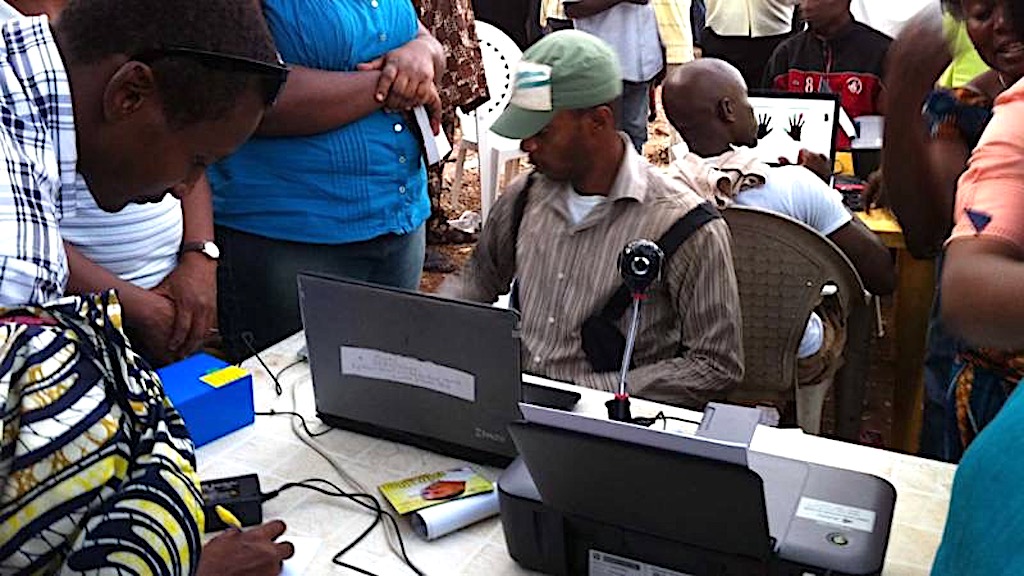
By Dr. Tom Obaseki
As the National Assembly deliberates on the Electoral Act Amendment Bill 2026, the stakes for Nigeria’s democracy have never been higher. While recent legislative steps—such as the official replacement of “smart card readers” with the Bimodal Voter Accreditation System (BVAS)—are welcome, they only scratch the surface. To truly restore public confidence, we must move beyond cosmetic changes and address the systemic vulnerabilities that allow the “will of the people” to be subverted between the polling unit and the collation center.
To secure our future elections, I propose a three-pronged reform strategy centered on technical transparency, legal accountability, and administrative justice.
1. Beyond Transmission: Ensuring the Integrity of the “Actual Vote”
The current debate often focuses narrowly on the mandatory electronic transmission of results. However, transmission is only as good as the data being sent. Focusing solely on the “send” button ignores the risk of “garbage in, garbage out.” When the law focuses only on “how” results are sent, it ignores the integrity of “wha” is being sent.
The 2024 Edo State elections provided a sobering lesson, with allegations surfacing regarding the use of duplicated result sheets bearing identical serial numbers. To prevent such systemic failures, the law must mandate verifiable technology standards across the entire voting lifecycle. We will need;
• Real-time electronic transmission with clear, statutory exceptions and unambiguous criteria for the data source of collation and declaration.
• Technical standards for encryption, source authentication, and secure audit trails.
• Chain of custody protocols and strict tracking requirements for all election materials.
• Legal clarity on the admissibility and evidentiary weight of electronic records in election tribunals.
• Defined cybersecurity responsibilities for INEC and service providers, with stringent penalties for technological manipulation.
• Mandatory independent audits of all election technology systems post-election.
• Robust voter authentication lawfully linked to credible and verifiable technological identification.
• Statutory timelines for the testing, certification, and mock deployment of election technologies.
• Contingency rules to protect voters in areas with unstable infrastructure without compromising result integrity.
• Enhanced access rights for political parties and civil society organisations to observe and audit technological platforms.
2. Ending the Era of “Slap-on-the-Wrist” Penalties- Expunge Fines, Mandate Imprisonment
Our current legal framework is far too lenient on those who sabotage our democracy. The option of a fine for electoral offenses is an invitation to the highest bidder to buy their way out of justice. The current reliance on monetary fines as a penalty for electoral offences has failed as a deterrent. To treat the subversion of the people’s mandate as a mere pecuniary transaction is to devalue the essence of democracy.
The Electoral Act should be amended to expunge all options of fines for electoral crimes. In their place, a mandatory minimum of 10 years imprisonment should apply to any official or individual found guilty of manipulating, falsifying, tampering with and corrupting the electoral process. Integrity cannot be bought; it must be enforced with the weight of the law.
3. Weaponizing Section 64: Giving Candidates a Statutory Right to Administrative Review
Currently, Section 64 of the Electoral Act 2022 grants the Independent National Electoral Commission (INEC) the power to review a declaration made by a Returning Officer under specific conditions (e.g., if the declaration was not made voluntarily, was based on incorrect collation, or contradicts electronically transmitted results).
However, this power remains discretionary and internal to INEC. As it stands, a candidate can only “petition” or “complain,” and INEC may choose to ignore it. This ambiguity creates procedural injustice and forces candidates to wait until the election petition tribunal—a lengthy process—as their only recourse. To create true accountability, we must:
• Mandate Administrative Review: Amend Section 64 to grant candidates or party agents the statutory right to formally trigger an administrative review within 48 hours of a declaration.
• Such trigger must freeze the process of issuance of certificate of return to any candidate
• Compel Action: The law must move from “INEC may review” to “INEC shall review” when a formal application is filed based on objective discrepancies with BVAS accreditation data.
This amendment removes ambiguity, clarifies procedural standing, and compels the Commission to respond transparently before a return is finalized.
A Path Forward
Electoral reform is not merely about technology; it is about trust. By shifting the focus to the integrity of the entire voting chain, imposing severe penal consequences for malfeasance, and empowering candidates to demand accountability at the point of collation, we can build a system that truly reflects the will of the Nigerian people.
These proposals are not merely theoretical; they have been synthesized into a draft bill format to guide our distinguished legislators. The full document is accessible via the following digital link: https://drive.google.com/file/d/1zvsS6M3Ix5r_0QVGoURRnrPcswtT6eyN/view?usp=sharing
Implementing these reforms will bridge the gap between “electronic promises” and “electoral reality.”
Nigeria’s democracy cannot survive on the “discretion” of a commission; it must be anchored in the “certainty” of the law.
About the Author: Dr. Tom Obaseki, Pharm D, specialises in infrastructure, environmental management, and procurement. Voted Digital Local Government Chairman of the Year 2024 by the Presidency’s Bureau of Public Sector Reforms for deploying a novel digital service platform in Oredo LGA, Edo State, he is a Harvard Kennedy School-certified Public Leader and Fellow of the Nigeria Environmental Society.

You may like
Trending
 Aviation1 week ago
Airlines averted shutdown as FG approves debt relief, aviation tax review

 Health6 days ago
Workplace stress driving global health crisis, ILO warns

 Comments and Issues6 days ago
Nigeria: A Return to Post-Fuel Subsidy Removal Contingencies and Palliatives?

 Latest1 week ago
Adelabu resigns as Power Minister, sets sights on Oyo governorship race

 Latest1 week ago
Labour Party leadership signals door closed on Peter Obi’s return amid ongoing internal shifts (Video)
 Energy4 days ago
NNPC reports five-year high in crude oil production

 Business1 week ago
CBN proposes new banking charges framework with fee caps, APR disclosure rules

 Business6 days ago
Court dismisses FHT Mega Express’ N7.1bn suit against Parallex Bank, awards N500,000 costs