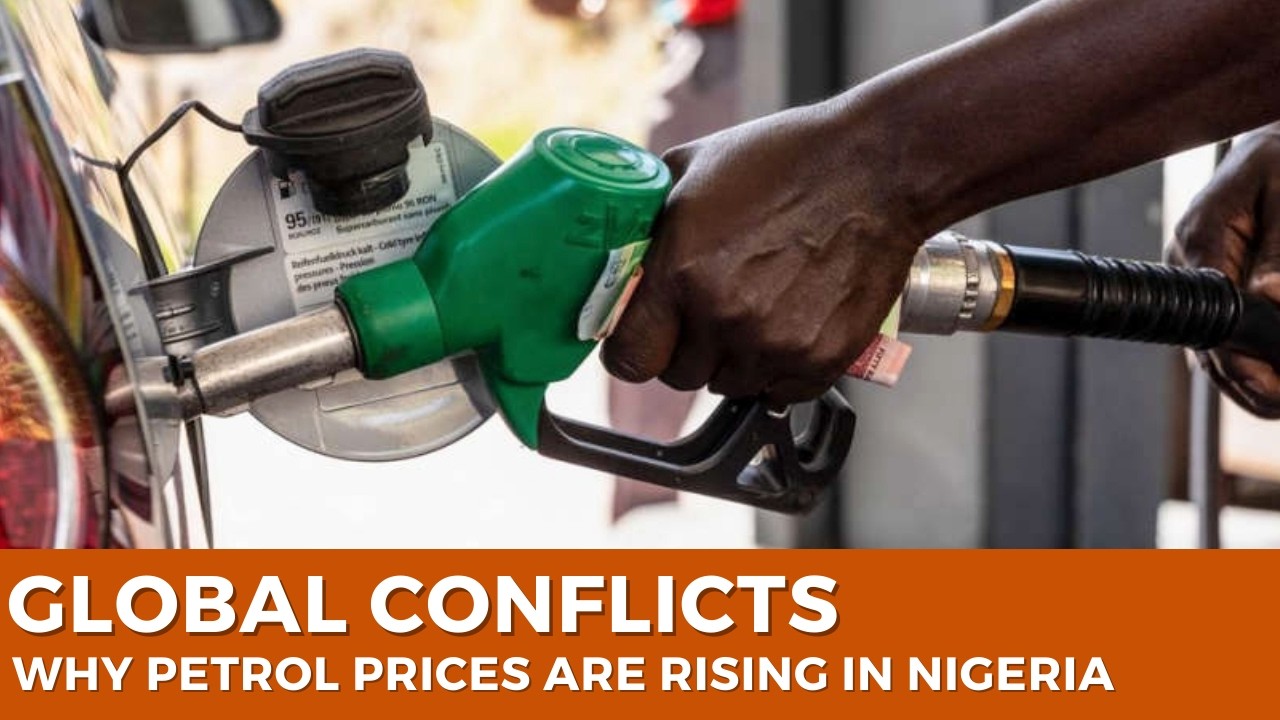
Nigeria has recorded the highest increase in petrol pump prices globally following the recent escalation of conflict in the Middle East, underscoring the country’s vulnerability to shocks in the international oil market.
A market analysis based on data from Global Petrol Prices shows that petrol prices in Nigeria surged by 39.5 percent between February 23 and March 16, the steepest rise among surveyed countries within the period.
The sharp increase places Nigeria ahead of Laos, which recorded a 32.9 percent hike, while Australia and Vietnam each saw a 31.8 percent rise. In the United States, petrol prices climbed by 23.6 percent.
Across Europe, Spain recorded an 18.7 percent increase, followed by Canada at 17.2 percent, Germany at 14.9 percent, France at 12.3 percent, and Egypt at 14.3 percent. In Asia and Africa, China posted a 10 percent increase, while Ethiopia recorded 7.9 percent.
Similarly, petrol prices rose by 6.5 percent in the United Kingdom and 6.4 percent in the United Arab Emirates. Liberia and Hong Kong recorded moderate increases of 4.9 percent and 4.7 percent respectively.
At the lower end, Croatia and Qatar saw a 2.7 percent rise each, while South Africa recorded a marginal 1 percent increase and Mexico posted just a 0.5 percent change.
The surge in global fuel prices has been largely attributed to the ongoing conflict in the Middle East, which has triggered one of the most significant supply disruptions in the history of the global oil market.
As a result, crude oil prices have climbed to a four-year high, exerting pressure on downstream petroleum markets worldwide.
In Nigeria, the impact has been particularly severe. Despite expectations that local refining capacity would cushion the effect of global volatility, petrol prices have continued to rise, with pump prices reaching as high as N1,200 per litre in some parts of the country.
READ ALSO: Senior Iranian leaders killed in overnight attack, Israel announces
The situation has also triggered a ripple effect across the economy, with transport fares reportedly doubling on major routes nationwide, further increasing the cost of living for millions of Nigerians.
Meanwhile, Dangote Refinery has acknowledged its exposure to international market forces, noting that its crude oil feedstock is sourced based on global pricing benchmarks. On March 13, the refinery raised its ex-gantry petrol price to N1,175 per litre, reflecting prevailing market realities.
Compounding the challenge, Nigeria’s crude oil production has also declined. Latest figures from Organization of the Petroleum Exporting Countries indicate that the country’s output dropped to 1.31 million barrels per day in February, further tightening supply and limiting the country’s capacity to stabilise domestic fuel prices.
Analysts warn that unless global oil market conditions improve or domestic supply constraints are addressed, Nigerians may continue to face elevated fuel costs in the near term.



 Business6 days ago
 Football1 week ago
 Latest7 days ago
 Health6 days ago
 Energy1 week ago
 Health6 days ago
 Health1 week ago
 Business6 days ago