In the year that the world recorded its lowest terrorism death toll since 2007, Nigeria moved in the opposite direction, logging the largest absolute increase in terror fatalities of any country on earth. The finding, buried deep in the 2026 Global Terrorism Index published by the Institute for Economics and Peace, captures in stark statistical terms what millions of Nigerians in the country’s troubled north already know from lived experience: the war on terror is not being won.
The 2026 Global Terrorism Index, published on March 19, ranks Nigeria fourth among the world’s most terror-affected nations, behind Pakistan, Burkina Faso, and Niger. The country moved up two places from sixth in 2024, with the report describing the change as reflecting a “significant increase of terrorist activity” within its borders.
The figures are sobering. Terror attacks in Nigeria increased by 43 per cent from 120 incidents in 2024 to 171 in 2025 while deaths rose by 46 per cent to 750, the highest toll since 2020. Nigeria recorded 237 additional fatalities in 2025, the highest absolute increase of any country globally and was the only country in sub-Saharan Africa to record simultaneous increases in both attacks and deaths.
Those numbers stand in uncomfortable contrast to the global picture. Total deaths from terrorism globally fell by approximately 28 per cent to 5,582 the lowest level recorded since 2007. The world, in other words, is becoming safer from terrorism. Nigeria is becoming more dangerous.
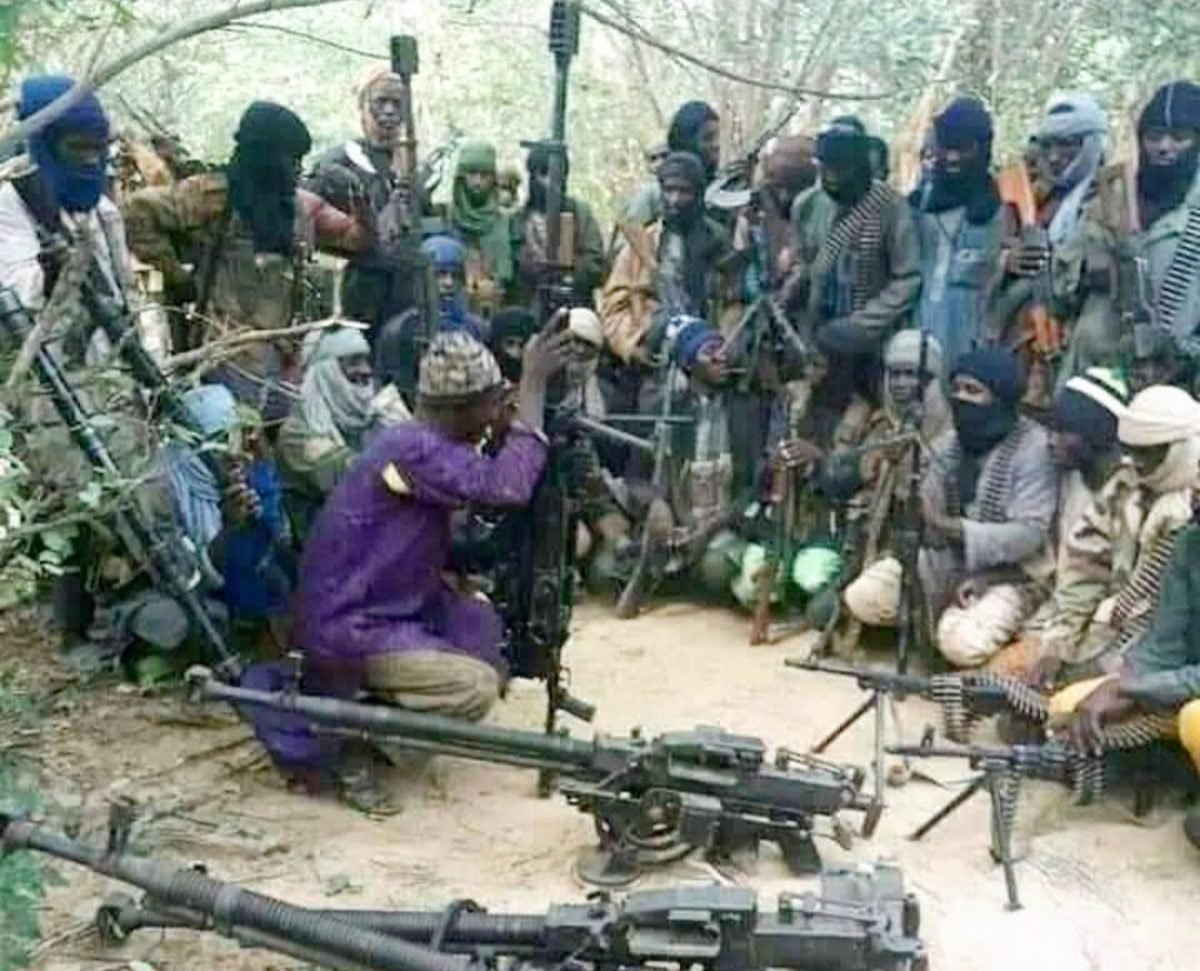
The majority of attacks were carried out by the Islamic State West Africa Province and Boko Haram, which together accounted for roughly 80 per cent of terrorism-related fatalities in the country. ISWAP’s surge was particularly alarming, with its attacks jumping from 20 in 2024 to 92 in 2025, a near-fivefold increase in a single year.
ALSO READ: Army apprehends infamous bandit ‘Sule Yellow’ for publicly flaunting kidnappings on TikTok
Geographically, the epicentre remains the North-East. Borno State recorded 67 per cent of all attacks and 72 per cent of all fatalities in 2025. But the violence is no longer contained there. The report noted that insecurity has spread into the North-West, where bandit groups have carried out mass abductions and rural raids, and the Middle Belt, where farmer-herder clashes have intensified.
The report landed with the force of confirmation rather than surprise and the political fallout was immediate.
The Peoples Democratic Party described the findings as a damning indictment of the APC administration, saying the report aligned with the “daily lived reality” of citizens who feel more insecure now than at any other point in the Fourth Republic. The party alleged that under President Tinubu’s watch, insecurity had evolved into what it called a “lucrative trillion-naira economy” and criticised what it characterised as purely reactive responses to a crisis that demands structural solutions.
The African Democratic Congress proposed a three-part strategy in response: establishing a national intelligence coordination system and a unified Joint Terrorism Task Force; decentralising policing to bring security closer to communities; and shifting from reactive responses to preventive, intelligence-driven operations.
Political analyst Mallam Bolaji Abdullahi struck an even more fundamental note, warning that ISWAP, Boko Haram, and emerging groups such as Lakurawa reflected systemic governance failures rather than isolated security lapses. Tackling the socio-economic conditions driving extremism, he argued, was at least as important as military action.
Nigeria’s crisis is part of a wider regional pattern that the report documents with precision. Nearly 70 per cent of all global terrorism deaths now occur in just five countries: Pakistan, Burkina Faso, Nigeria, Niger, and the Democratic Republic of the Congo. All five are in the developing world. All five face governance deficits that experts say create the conditions in which extremist groups thrive.
For Nigeria, Africa’s most populous nation, its largest economy, and one of the continent’s most influential voices, a fourth-place ranking on the world’s terrorism index is not merely a security statistic. It is a governance verdict. And until Abuja offers a credible answer to how it intends to reverse that trend, the body count will keep rising.
The Nigerian government had not issued an official response to the report at the time of publication.



 Entertainment4 days ago
 Comments and Issues1 week ago
 Comments and Issues1 week ago
 Comments and Issues1 week ago
 Health1 week ago
 Latest6 days ago
 Business7 days ago
 Health1 week ago