
Politics
Nupe commnity in Lagos backs Tinubu reelection

...Elects new chairman
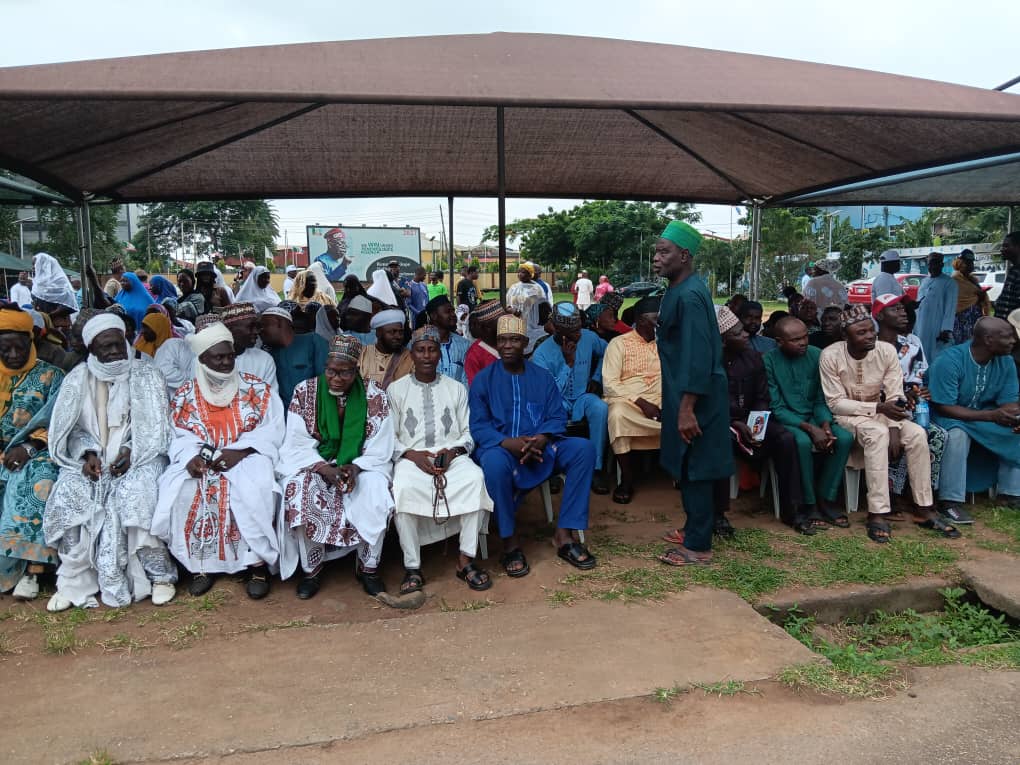
Teaming members of Nupe Community on Friday jointly presented their new Chairman Alhaji Abubarka Kudu, to the Lagos State All Progressives Congress Chairman Honourable Cornelius Ojelabi, signalling the commencement of a new era.
The group led by Alhaji Saliu Mohammadu (Oba Tapa) alongside other stakeholders like; Alhaji Mohammed Ndana Bida Chief Co-ordinator APC Nupe community and the General Secretary Lagos State Council of Chiefs and Alhaji Muhammadu Kudu Kitav the Sardauna and secretary of Nupe Community in Lagos State and chairman committee of Ojora land, affirmed that Kudu’s choice was unanimously agreed by the community after thorough consultation.
Kudu’s ascension was necessitated by the tenure expiration of the former Nupe Community Chairman Alhaji Muhammadu Patako Shonga who was said to have held sway for 26 years.
Speaking earlier the referred leader- Alhaji Saliu Muhammadu stressed that for over 33 years that he has reigned as the traditional leader of the group in Lagos, the chairmanship position has been purely selective and that the succession plan is never drawn by the incumbent.
According to him Patako faulted this arrangement for which he earned the wrath of the people.
He charged Kudu to carry the people along and bring home the dividend of democracy, which must be evenly distributed.
“Having observed that Patako insisted that he chose who will succeed him, I confronted him that he was not responsible for his own election in the first place.
“Kudu is the preferred choice, and after eight years in office we need to change the baton.
“I want to counsel all to support Kudu, our crowd would have been more than this but for logistics challenge, also we are sure that Tinubu’s second term is well guaranteed, as Nigeria will continually progress.”
Alhaji Bida while commenting on how Kudu emerged, noted that the committee divided Lagos into six zones and did wide consultations.
He added that Kudu was the unanimous choice and that Nupe community shares a longtime history with the evolution of Lagos state, that informs why it must take its pride of place and be counted in the scheme of things within the state.
“We are here to endorse the communique that the entire Nupe community have agreed upon, to declare support for Tinubu second term and that Alhaji Abubarka Kudu be our Chairman and this was affirmed by APC Chairman Lagos State Hon Cornelius Ojelabi.
“In the political setting everybody is trying to shift away from marginalization, actually we are all in Arewa Lagos Community, but politically everybody have their own strength.
“It will not just be possible for one person to wear a cap on behalf of ten heads, insteandit will be ideal to purchase ten caps and give to them individually.
“ If it is five caps give it to them to share so that the next opportunities will go to theose not yet captured initially.
“Today Arewa is the main body led by Alhaji Saadu Gulma, we don’t feel marginalized, as Lagos Arewa Community did not deter any group from having their Chairman.
“We expect the new chairman to influence job opportunities, with this new development the use and dump syndrome will become history.
“Kudu should facilitate job opportunities in LAWMA, LNSC and other MDAs and parastatal of government us.
“Today I am glad that we are able to speak with one voice.”
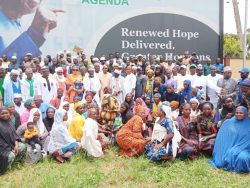
Alhaji Muhammadu Kudu Kitav was quick to set agenda for the new Chairman.
“Kudu should be a leader,he should reconcile and harmonize the community for the progress of APC in Lagos state.
“We urged all the youth members to be calm, it is not a do or die affair, we are not fighting with patako, we call him for consultation, but he refused to come.
“He said he owns the party, and that he can do anything he likes and we said no, he tried imposing somebody he can control, like he has been doing in time past, and we refused insisting that that era is over and Hon.Ojelabi today sanctioned our decision.”


-
 Latest3 days ago
Full List: Meet the 2026 Nobel Prize winners across six categories
-
 Featured7 days ago
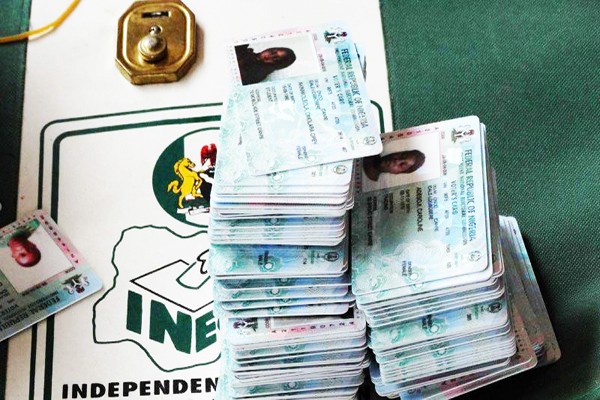
103 Million Voters: What does INEC’s new register say about Nigeria’s population?
-
 Football3 days ago
Premier League Matchweek 7: Five Fixtures That Could Shape the Weekend
-
 Business1 week ago
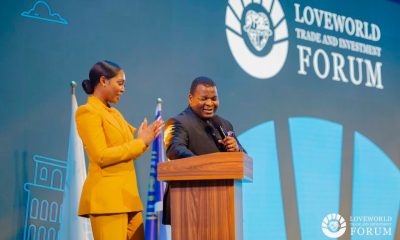
The Ministry of Commerce of Loveworld gets a $1 million boost for new investment fund at LTIF 2026 to promote Trade in Ghana
-

 Features1 week ago
Edo’s 2.5 million vote promise: Can the numbers match the politics?
-

 Latest2 days ago
Umahi defends Lagos-Calabar highway route changes amid public outcry
-

 Latest1 week ago
Nigeria to Ghana: Inside police hunt for Anambra kidnap suspect
-

 Business2 days ago
Dangote Refinery IPO Extension: Was the 70% subscription report overhyped?