
Latest
Northern Nigeria’s education system under siege amid growing insecurity

Published
3 hours agoon
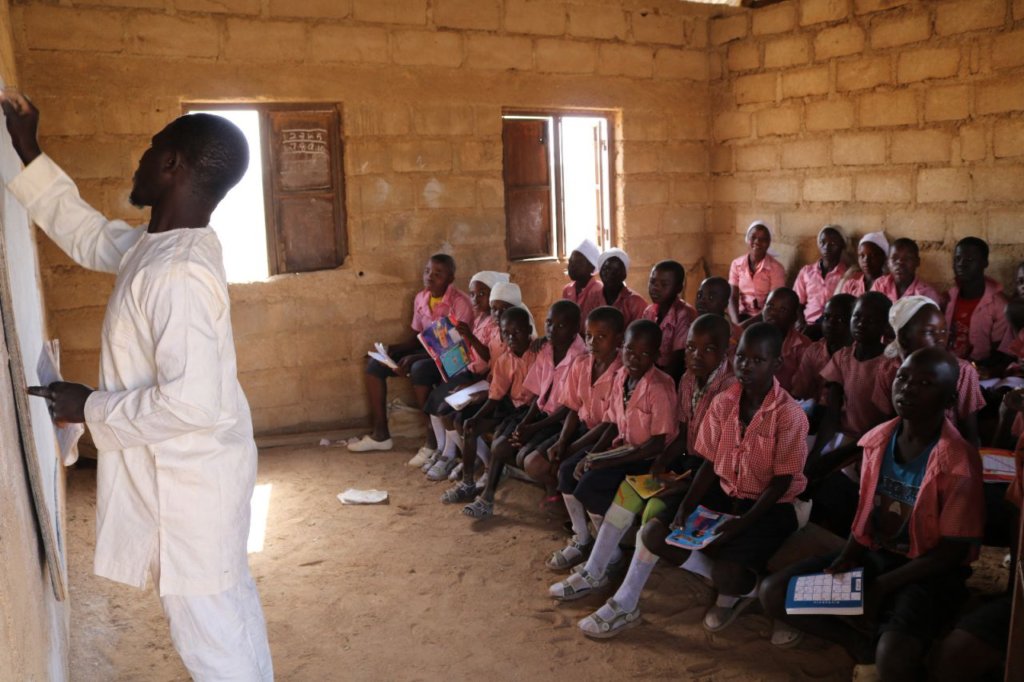
Classrooms across several states in northern Nigeria are sitting partially empty—or in some cases completely shut—as persistent insecurity continues to disrupt education and force families into difficult decisions about their children’s safety.
For more than a decade, attacks, abductions and threats targeting schools have eroded public confidence in the safety of learning institutions, leaving many parents torn between the promise of education and the instinct for survival.
The crisis gained global attention on April 14, 2014, when Boko Haram militants abducted 276 schoolgirls from Government Girls Secondary School, Chibok, in Borno State, sparking the worldwide #ChibokGirls campaign.
Subsequent incidents deepened the climate of fear. On February 19, 2018, 112 girls were kidnapped from Government Girls Science and Technical College in Dapchi, Yobe State. Although most were released weeks later, Leah Sharibu remains in captivity.
In December 2020, more than 300 students were abducted in Kankara, Katsina State. Two months later, in February 2021, 317 girls were taken from a school in Jangebe, Zamfara State. Similar incidents occurred in Kagara, Niger State, highlighting the widening geographic spread of school-targeted attacks.
According to Amnesty International, at least 15 mass abductions of schoolchildren have been recorded across northern Nigeria since 2014. Save the Children estimates that 1,683 learners were abducted between 2014 and 2022, with many more affected by smaller-scale attacks and threats.
Research linked to UNICEF documented approximately 1,436 schoolchildren and 17 teachers abducted between December 2020 and December 2021 alone. During that period, over 11,500 schools were temporarily closed in northern states due to insecurity.
Beyond official closures, many parents voluntarily keep their children at home, fearing further attacks. In affected communities, the choice between schooling and safety is a daily dilemma.
In Papiri, Agwara Local Government Area of Niger State, the November 2025 abduction of over 300 students and staff prompted the state government to close schools serving more than 50 communities. Although the students were later rescued, many classrooms remain largely unused as fear lingers.
READ ALSO: Fear grips Zamfara villages as bandits demand N16m or face attacks
“Even though the children have returned, the fear remains,” one parent said anonymously. “We are still calling on the government to ensure lasting protection before sending our children back to school. Many families have relocated to enable their children to continue their education elsewhere.”
In Borgu LGA, while schools in Borgu town remain open, parents in surrounding communities report being warned by armed groups to withdraw their children from western education or face violent consequences.
“We have to obey the instructions if we want to stay alive. Sending our children to school could be dangerous,” a parent said, appealing for stronger security measures to restore normalcy.
Other states face similar challenges. In Kankara and Batsari LGAs of Katsina State, repeated attacks have led to multiple school closures.
In Maga LGA of Kebbi State, 25 girls were abducted in November 2025 and later rescued, but one vice principal was killed during the incident. School attendance in the area remains low, with many parents unwilling to risk sending children along unsafe routes.
The psychological toll of repeated abductions and threats has been severe. Teachers report that children who return to school often display anxiety, withdrawal and difficulty concentrating. Many struggle to catch up academically and socially.
Educators themselves face heightened risks, with some declining postings to high-risk communities, worsening shortages of trained teachers. Those who remain often travel long and dangerous routes to reach their classrooms.
Humanitarian organisations, including UNICEF and Save the Children, have stepped in with temporary learning centres, child-friendly spaces, trauma counselling and teacher training in psychosocial support. However, these measures cannot fully substitute for stable, secure formal education.
READ ALSO: Easter: Godswill Akpabio assures Nigerians of imminent end to insecurity
Girls are disproportionately affected. Prolonged school closures and safety concerns have kept many at home, increasing their vulnerability to early marriage, child labour and permanent educational setbacks.
UNICEF estimates that of Nigeria’s 10.5 million primary school-age children out of school nationwide, 60 percent are girls—most of them in northern states where insecurity is most acute.
Community protection initiatives and early warning systems have been introduced in some areas, and authorities have implemented phased school reopenings alongside increased patrols. Yet, families insist that consistent and credible security presence is essential to rebuild trust.
Parents in Agwara and Borgu LGAs argue that official directives alone cannot erase fear. Without sustained protection, they say, classrooms will remain underused.
Education advocates warn that without urgent and coordinated intervention from government, NGOs and local communities, northern Nigeria risks producing a “lost generation,” particularly among girls.

You may like
Trending

 Football5 days ago
Iraq ends 40-year World Cup exile as Baghdad erupts in joy

 Crime1 week ago
12 feared killed in Jos night attack, authorities enforce 48-hour lockdown

 Crime6 days ago
Kano-based lawyer reportedly dies after being trapped in Abuja hotel lift

 News1 week ago
Kwankwaso Resigns from NNPP, Cites ‘Strategic Realignment’
 Business4 days ago
Nigeria braces for cost surge amid 2026 inflation projections

 Business6 days ago
CBN unveils mandatory cybersecurity self-assessment tool for Banks

 Football6 days ago
Woman alleges 18 years of abuse by Mikel Obi’s family as she seeks divorce from former captain’s brother

 Business7 days ago
Petrol price hikes trigger surge in transport fares nationwide