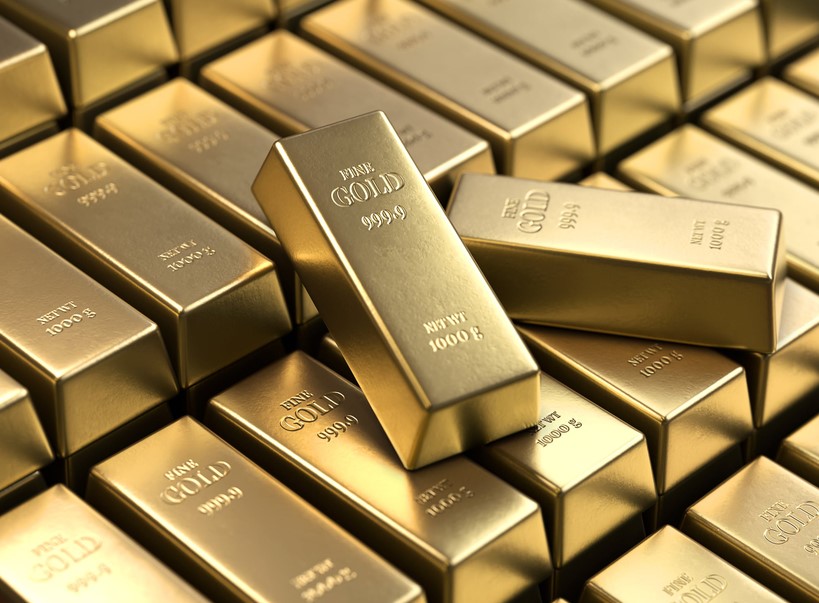
Global gold prices fell sharply on Wednesday despite escalating tensions in the Middle East, in a surprising market reaction that analysts say reflects growing panic across international financial markets.
Spot gold prices dropped nearly two percent to around $4,597 per ounce, marking the precious metal’s lowest level in about four weeks.
The decline comes amid intensifying geopolitical uncertainty linked to the ongoing Iran-related crisis and disruptions around the Strait of Hormuz, a critical global oil shipping route.
Traditionally viewed as a safe-haven asset during periods of instability, gold would normally attract heavy investor demand during conflicts. However, financial experts say the current market environment has triggered what traders describe as a “dash for cash.”
Analysts explained that investors are rapidly selling even traditionally safe assets such as gold to raise liquidity, cover losses in other investments, and meet urgent margin calls as volatility spreads across global markets.
“When market stress becomes extreme, investors begin selling whatever they can to access cash quickly,” a senior market strategist at BullionVault said. “Gold is being liquidated not because investors distrust it, but because it remains one of the easiest assets to convert into immediate liquidity.”
The sell-off has been intensified by surging global oil prices, with Brent crude rising above $111 per barrel amid fears of prolonged supply disruptions in the Middle East.
Rising energy costs have renewed concerns about persistent inflation, leading investors to expect that the United States Federal Reserve may keep interest rates elevated for longer than previously anticipated.
Higher interest rates typically weaken demand for gold because the metal does not generate interest or fixed returns, unlike government bonds and other yield-bearing assets.
At the same time, yields on U.S. 10-year Treasury bonds climbed above 4.30 percent, making bonds more attractive to cautious investors seeking stable returns during uncertain economic conditions.
Market sentiment was also affected by reports suggesting that diplomatic efforts aimed at easing tensions between the United States and Iran were facing setbacks, adding further uncertainty to already fragile global markets.
Despite the recent decline, analysts noted that gold prices remain significantly higher than levels recorded earlier in the year. The metal had surged above $5,400 per ounce in January before retreating amid sharp swings in global financial markets.
Many institutional investors and financial institutions still maintain a positive long-term outlook for gold, arguing that ongoing geopolitical instability, inflation concerns, and mounting global debt risks could eventually push prices higher again.
HSBC and other market observers believe that once the immediate liquidity pressures ease, investors may return to gold as protection against economic uncertainty and potential stagflation.
For now, however, traders remain cautious ahead of key economic events expected later this week, including major earnings reports from technology companies and an upcoming Federal Reserve policy meeting that could influence the direction of global markets.




 Health1 week ago
 Crime1 week ago
 Business1 week ago
 Agribusiness1 week ago
 Health1 week ago

 Politics1 week ago