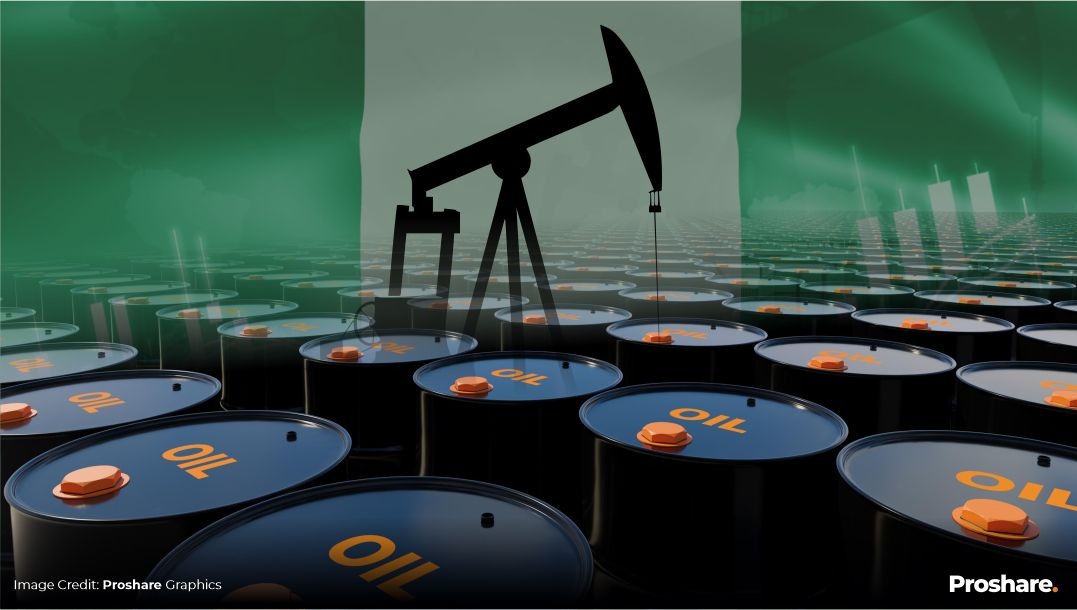
Nigeria has seen a remarkable boost of about $4 billion in revenue from crude oil sales recently, thanks to rising global prices tied to the ongoing tensions between Israel and Iran. However, this financial gain is being overshadowed by increasing economic pressure on households, as soaring fuel prices continue to elevate the cost of living throughout the country.
Data released on April 22, 2026, indicates that the price of Nigeria’s Bonny Light crude has surged significantly since late February, jumping from around $70 per barrel to over $110 during this period. With production levels averaging more than 1.5 million barrels per day, this price hike has greatly enhanced export earnings, pushing the nation’s foreign reserves to their highest point in over a decade and providing a much-needed boost for the 2026 budget.
Despite this windfall, Nigerians are grappling with higher energy costs due to the deregulated downstream sector. The rise in global crude prices has directly led to increased pump prices for petrol, with rates exceeding ₦1,200 per litre in some areas. The effects are rippling through the economy, as transport fares rise and the prices of goods and services continue to climb, putting additional strain on already stretched household budgets.
The Federal Government has reiterated its stance against reinstating fuel subsidies, asserting that such measures are not sustainable. Wale Edun, the Minister of Finance and Coordinating Minister of the Economy, recently emphasized that the focus will remain on targeted support measures rather than broad price controls.
Officials argue that subsidy removal is critical to preserving fiscal stability and sustaining recent economic reforms.
The Dangote Petroleum Refinery has played a role in cushioning the impact by reducing reliance on imported fuel. Analysts say local refining capacity has helped prevent even steeper increases in petrol prices compared to other countries in the region.
Experts caution that while the headline revenue figures appear strong, a portion of the earnings may already be committed to existing obligations, limiting the immediate fiscal benefit.
As global tensions persist, Nigeria faces a delicate balance benefiting from higher oil revenues while managing the domestic economic strain caused by rising energy costs.



 Latest1 week ago
 Football1 week ago
 Maritime7 days ago
 Football6 days ago
 Education1 week ago
 Latest6 days ago
 Latest7 days ago
 Health6 days ago