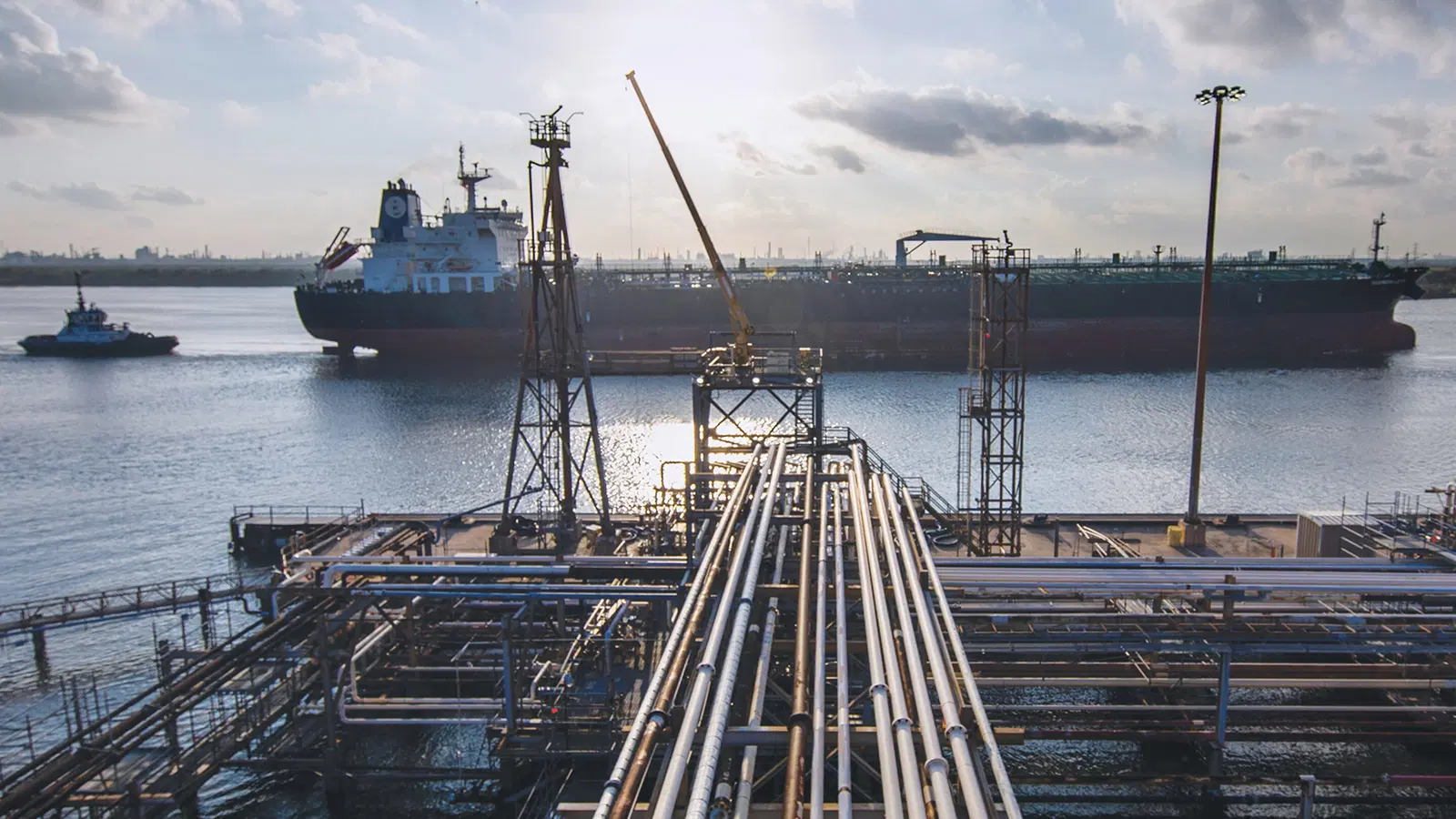
The Nigerian National Petroleum Company Limited (NNPC) is back in the spotlight, this time over its four comatose refineries.
Despite more than $25 billion spent on turnaround maintenance over the past two decades, the facilities have not produced a single liter of fuel. In the last three years alone, nearly half a billion dollars was spent rehabilitating the Port Harcourt and Warri refineries, yet both remain idle.
Even billionaire industrialist Aliko Dangote, whose private 650,000 barrels-per-day refinery now towers as Africa’s largest, has bluntly dismissed the state-owned facilities as “scrap.” But government spending on them continues—a practice energy analysts liken to “flogging a dead horse.”
The controversy has sparked unrest within the NNPC workforce. Over 5,500 employees are threatening industrial action over alleged irregularities, while confusion surrounds the rumored resignation of Group Managing Director Bayo Ojulari, who later denied stepping down.
Privatization vs. Rehabilitation
Ojulari has hinted at what many experts see as the obvious solution: privatization. With a combined capacity of 445,000 barrels per day (bpd)—still smaller than Dangote’s plant—the state-owned refineries have consistently failed despite repeated injections of public funds.
“Privatization is no longer an option; it’s a necessity,” said Dr. Oladipo Akinyemi, an energy economist at the University of Lagos. “Every naira sunk into these refineries is a naira wasted. Private sector operators have proven in telecoms and power that they can deliver where the government has failed.”
Saudi Aramco and Brazil’s Petrobras have long abandoned inefficient state-run plants in favor of profitable projects. Nigeria, experts argue, must follow suit.
The Case for Selling
Fiscal savings, freeing up billions for infrastructure and social spending.
Investor interest, with independent marketers, modular refinery operators, and possibly Dangote himself positioned as potential buyers.
READ ALSO: Oil prices climb as Ukraine strikes Russian refineries, raise supply concerns
“This is not just about efficiency—it’s about survival,” argued Kola Adeshina, Executive Director at Sahara Energy. “We are spending scarce dollars importing petrol when we should be producing it at home.”
The Bigger Picture: Oil Theft and Supply Distortions
Beyond the refineries, the oil sector faces entrenched dysfunction. Tony Elumelu, Chairman of Heirs Holdings, has repeatedly raised alarm over crude theft, which he says drains up to 18% of national production.
Meanwhile, Dangote Refinery has accused international oil companies (IOCs) of starving it of crude, preferring to export to global markets.
These issues prompted President Bola Tinubu to establish a committee chaired by Finance Minister Wale Edun, tasked with ensuring local refineries—including Dangote’s—can purchase crude in naira. If implemented, this could reduce forex pressure and secure energy supply.
Labor unions remain opposed to privatization, demanding further rehabilitation of the moribund plants. But analysts warn that such demands are unrealistic.
“The unions are defending jobs, but what about the jobs lost to high fuel costs and collapsing businesses?” asked Professor Bamidele Ajayi, a petroleum policy scholar. “We must choose between sentiment and sustainability.”
The choice before President Tinubu’s administration is stark: continue pouring billions into dead refineries or divest to credible private operators capable of revival.
As Jean-Baptiste Alphonse Karr once said: “The more things change, the more they remain the same.” For decades, Nigeria has repeated the same cycle—rehabilitate, spend, fail, repeat. Experts now insist it is time to break that cycle.
“Energy independence through local refining is not optional—it’s a survival strategy,” said Dr. Akinyemi. “Privatization is the only path forward.”



 Business6 days ago
 Football1 week ago
 Health6 days ago
 Energy1 week ago
 Latest1 week ago
 Health6 days ago
 Health1 week ago
 Business6 days ago