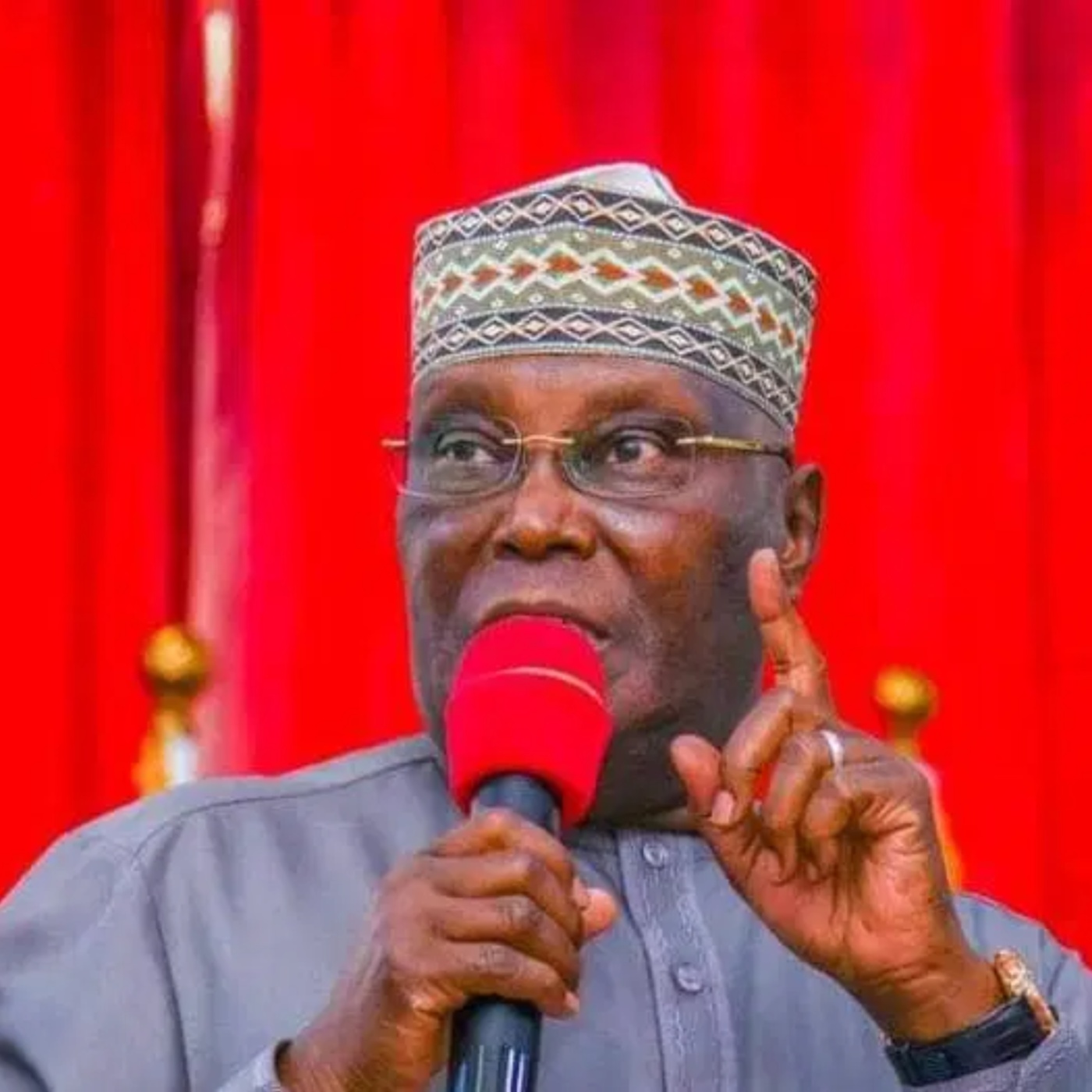
Nigeria’s former Vice President, Atiku Abubakar, has formally resigned from the Peoples Democratic Party (PDP), ending a decades-long association with the party he helped found.
His resignation is seen as a major political development ahead of the 2027 general elections.
In a letter dated July 14, 2025, addressed to the PDP Chairman of his ward in Jada Local Government Area of Adamawa State, Atiku cited the party’s current trajectory and a shift away from its founding principles as the reasons behind his decision to withdraw his membership with immediate effect.
“I am writing to formally resign my membership from the Peoples Democratic Party (PDP) with immediate effect,” Atiku stated in the letter, which he personally signed. “It is with a heavy heart that I resign, recognizing the irreconcilable differences that have emerged.”
Atiku expressed deep appreciation to the PDP for the political platform it provided him over the years, especially for his time as Vice President of Nigeria from 1999 to 2007, and for twice emerging as the party’s presidential candidate.
“Serving two full terms as Vice President of Nigeria and being a Presidential candidate twice has been one of the most significant chapters of my life,” he wrote. “I find it necessary to part ways due to the current trajectory the Party has taken, which I believe diverges from the foundational principles we stood for.”
READ ALSO: Atiku, Obi, Shettima, El-Rufai, others attend Buhari’s Fidau Prayer
Though he did not elaborate on the specific issues that led to his resignation, the tone of his letter suggests deep-rooted dissatisfaction with the PDP’s current leadership direction and internal party politics.
Atiku, a long-time political heavyweight, is now a key figure in the emerging opposition coalition, which includes leaders from other major political blocs. His departure from the PDP is expected to significantly impact the realignment of political forces ahead of the next presidential election.
Observers believe that Atiku’s exit may pave the way for a broader opposition front, potentially altering Nigeria’s political landscape. Talks of a new political movement or merger have been gaining traction, particularly as prominent figures like Rotimi Amaechi, Nasir El-Rufai, and Rabiu Kwankwaso have also been linked to similar coalition efforts.
As one of the founding fathers of the PDP in 1998, Atiku’s resignation marks the end of an era and raises questions about the future of the party that once dominated Nigeria’s political scene.
Atiku concluded his letter with words of gratitude and a farewell: “I wish the Party and its leadership all the best in the future. Thank you once again for the opportunities and support.”



 Football3 days ago
 Crime1 week ago
 Crime1 week ago
 Business1 week ago
 Business1 week ago
 Business1 week ago
 Latest1 week ago