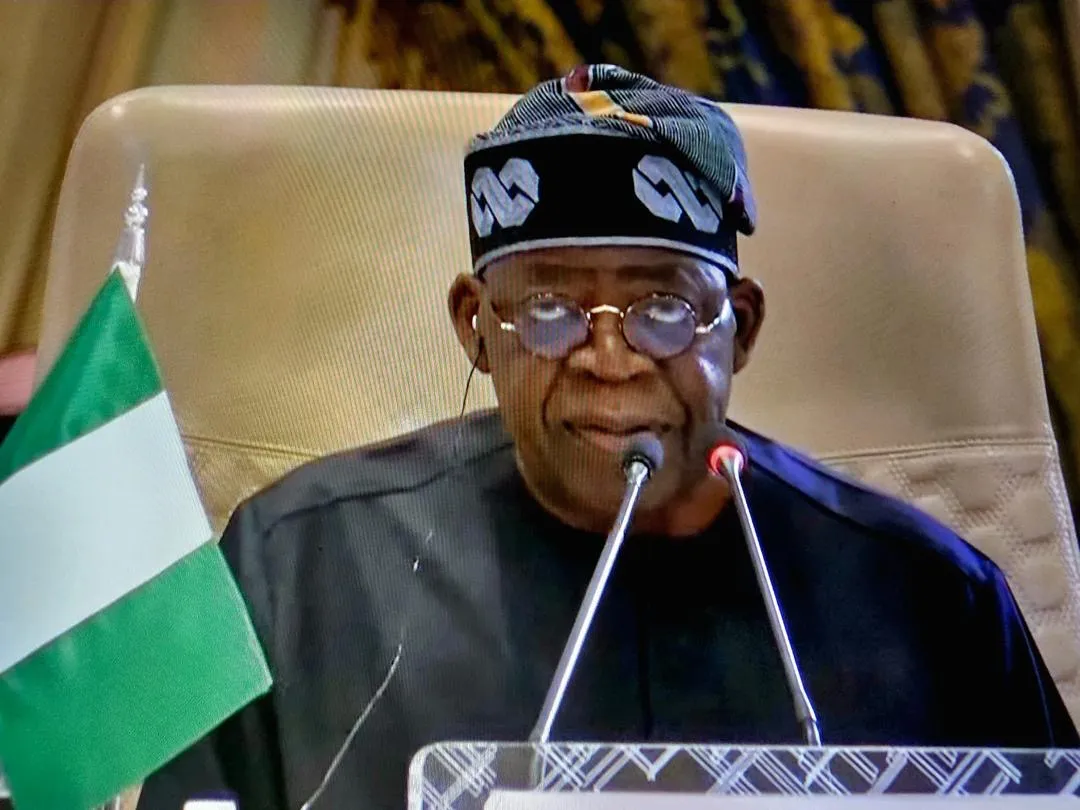
Since assuming office as Nigeria’s President, Bola Ahmed Tinubu has faced the formidable challenge of restoring public confidence in governance.
The issue of trust in leadership has long been a thorn in the nation’s political landscape, shaped by years of unfulfilled promises, economic hardship, and systemic corruption.
As Tinubu’s administration navigates these turbulent waters, the question remains: Can he rebuild the trust deficit between the government and the Nigerian people?
A Legacy of Distrust
For decades, Nigeria has grappled with a crisis of trust between its leaders and citizens. From economic mismanagement to governance failures, the recurring cycle of broken promises has left Nigerians disillusioned.
Tinubu’s rise to power came with the weighty expectation of change, given his political experience and campaign pledges.
Dr. Amina Yusuf, a political analyst at the Centre for Governance and Public Policy, notes that “Trust in Nigerian leadership has been on a decline for years. Tinubu’s administration inherits a fractured relationship between the government and the governed. The challenge is not just about policies but about convincing Nigerians that leadership can truly serve their interests.”
READ ALSO: Terrorism, Tinubu’s casual lamentations and demand for justice by NEF and NGF
Economic Reforms and Public Perception
One of the most significant areas where Tinubu faces scrutiny is economic reform. His administration’s removal of fuel subsidies—a policy long regarded as a necessary but politically sensitive decision—has sparked widespread debate. While some economists argue that subsidy removal is essential for long-term economic stability, its immediate impact has been severe, with inflation surging and the cost of living rising sharply.
Prof. Segun Adebayo, an economist at Lagos Business School, explains: “Tinubu’s economic policies are ambitious, but their success depends on execution and communication. Nigerians need to see tangible benefits from these reforms, not just theoretical gains.”
Corruption and Governance Challenges
Corruption remains a significant barrier to trust in Nigeria’s leadership. Despite repeated promises to tackle corruption head-on, many Nigerians remain skeptical about the sincerity of government efforts.
The administration’s handling of high-profile corruption cases, transparency in public spending, and institutional reforms will be key determinants of public perception.
Barrister Ifeoma Okeke, a legal expert on governance, emphasizes: “For Tinubu to restore trust, his administration must show accountability. Nigerians have heard too many promises about fighting corruption; what they want is visible action.”
Another critical area where trust is fragile is national security. From insurgency in the Northeast to banditry and kidnapping in other parts of the country, Nigerians yearn for stability. The effectiveness of Tinubu’s security strategies will significantly influence how his leadership is perceived.
Security analyst Colonel Hassan Bello (Rtd) states: “Restoring trust requires more than military interventions; it involves addressing root causes such as poverty, unemployment, and social injustice.”
To bridge the trust gap, Tinubu’s administration must embrace transparency, open dialogue, and people-centered policies. Regular engagement with citizens, clear communication on policy decisions, and demonstrable progress on key issues will be crucial.
Ultimately, trust is not built overnight.
As Nigeria watches the Tinubu administration unfold, the burden of trust remains a defining factor that will shape both his legacy and the future of governance in the country.


 Latest1 week ago
 Latest1 week ago
 Crime1 week ago
 Latest6 days ago
 Business1 week ago
 Latest6 days ago
 Crime7 days ago
 Football6 days ago