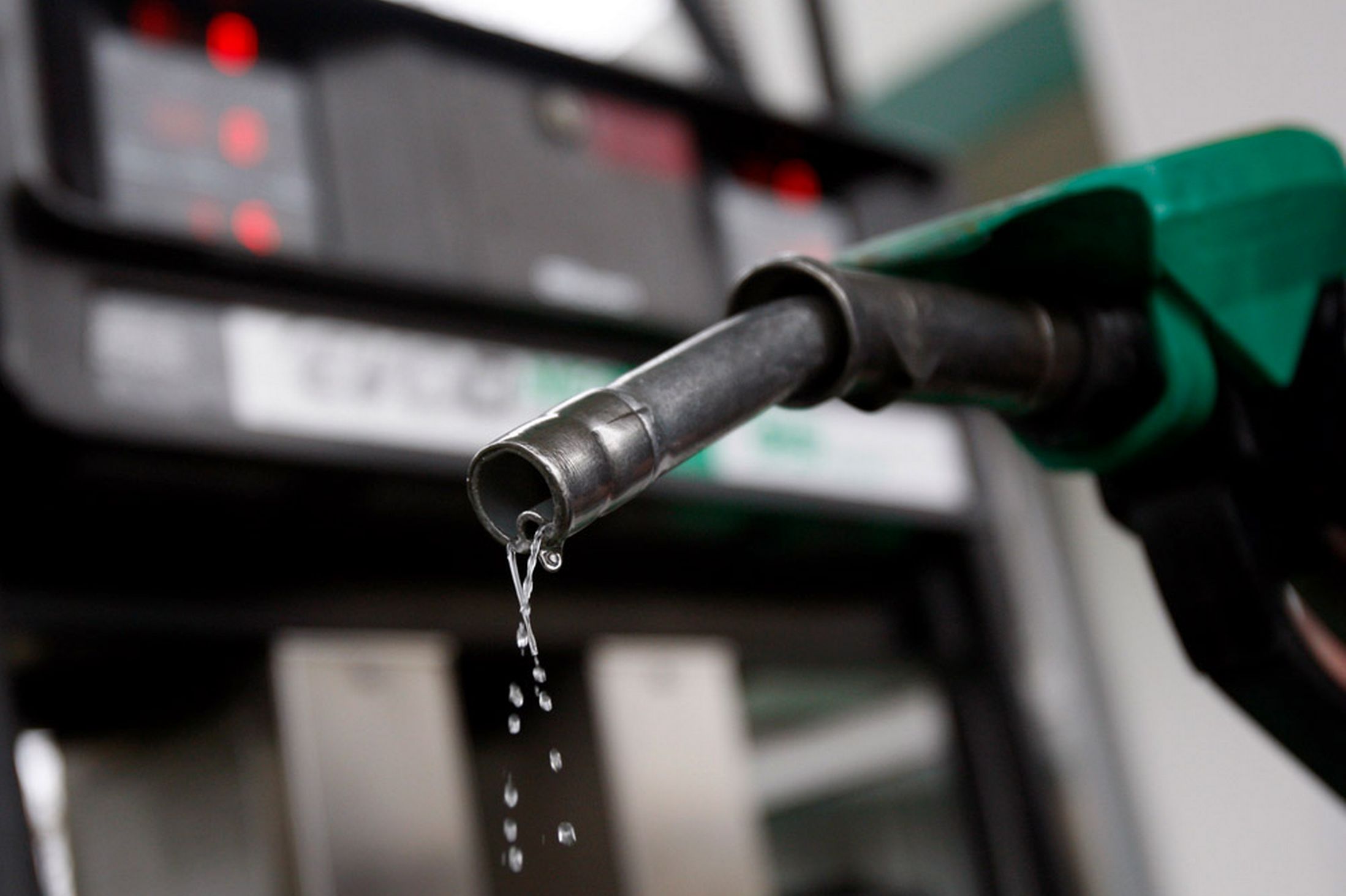
The Nigerian National Petroleum Company Limited (NNPCL) has increased the pump price of Premium Motor Spirit (PMS), commonly known as petrol, for the second time within four days, raising fresh concerns among motorists and businesses over the rising cost of fuel in Nigeria.
Checks on Saturday showed that the state-owned oil company adjusted its petrol price upward to N967 per litre, up from N960 per litre, representing a N7 increase.
The new price has already taken effect at several NNPCL retail outlets in Abuja and surrounding areas, where motorists were seen buying petrol at the revised rate.
The latest adjustment comes shortly after the company earlier increased the pump price to N960 per litre from N875 per litre, signalling a steady upward trend in domestic fuel prices.
Other independent filling stations across the nation’s capital have also responded to the development by adjusting their pump prices. Petrol was observed selling between N967 and N1,000 per litre at various retail outlets in Abuja on Saturday.
Industry observers attribute the latest increase largely to developments in the global oil market. On Saturday, international crude oil prices surged by about 9 per cent, pushing benchmark prices for Brent Crude and West Texas Intermediate above $90 per barrel.
Analysts say the rally in crude prices has been triggered by escalating geopolitical tensions and supply concerns linked to instability in the Middle East, which has tightened global energy markets.
The development follows a similar adjustment earlier in the week by the Dangote Refinery, which on Monday raised its gantry price for petrol supplied to marketers. The refinery cited the rising cost of crude oil feedstock driven by the ongoing turmoil in the Middle East.
Energy experts warn that continued volatility in global oil prices could translate into further increases in domestic petrol prices, particularly as Nigeria now operates a largely deregulated downstream petroleum market where pump prices reflect international market dynamics.
For consumers, the fresh price adjustment is expected to add pressure to transportation costs and the general cost of living, as petrol remains a key driver of economic activities across the country.



 Entertainment5 days ago
 Latest1 week ago
 Aviation7 days ago

 Crime6 days ago
 Crime5 days ago
 Featured7 days ago
 Business1 week ago