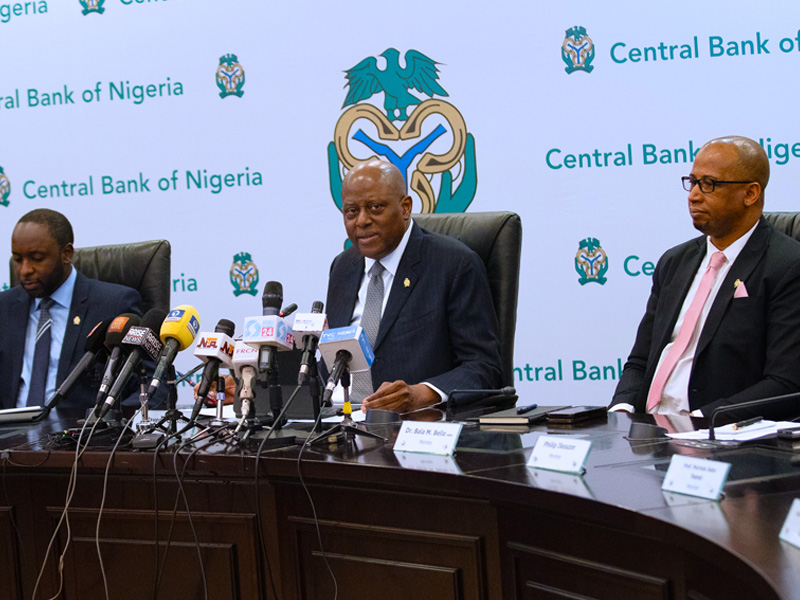
In a strategic decision aimed at consolidating recent gains in inflation control, the Central Bank of Nigeria (CBN) has opted to retain the Monetary Policy Rate (MPR) at 27.5 per cent. This announcement was made at the conclusion of the apex bank’s 301st Monetary Policy Committee (MPC) meeting held on Tuesday, July 22, 2025, in Abuja.
CBN Governor, Dr. Olayemi Cardoso, who briefed the media after the meeting, said the committee’s unanimous decision to hold the key rate was driven by the need to sustain the country’s disinflationary momentum and to manage persistent price pressures still threatening macroeconomic stability.
“The decision was premised on the need to sustain disinflation and sufficiently contain price pressure,” Cardoso explained, expressing cautious optimism about improving economic indicators and the direction of monetary tightening already undertaken.
The Monetary Policy Rate—Nigeria’s benchmark interest rate—has remained one of the Central Bank’s primary tools for managing inflation, which, despite easing slightly in recent months, remains outside the Bank’s comfort zone. The decision signals a deliberate attempt to strike a balance between inflation control and economic recovery.
Dr. Cardoso reaffirmed the Bank’s resolve to continue using all available tools to achieve price stability while also supporting real sector growth.
“Maintaining the current policy stance will continue to address existing and emerging inflationary pressure. The MPC will continue to undertake rigorous assessment of economic conditions, price developments, and outlook to inform future policy decisions,” he stated.
READ ALSO: Analysts predict marginal drop in Nigeria’s June inflation amid FX stability
Ahead of the meeting, economic analysts had been split in their projections. Some anticipated a modest hike in interest rates to strengthen the naira amidst ongoing exchange rate volatility. Others argued for a hold decision, citing concerns about slowing economic growth and the burden of high borrowing costs on businesses and households.
By holding rates steady, the CBN appears to have chosen the path of cautious continuity—seeking to sustain the momentum of disinflation while avoiding a tightening move that could further dampen consumption and investment.
A recent consumer sentiment survey conducted by the Central Bank revealed that a majority of Nigerians are in favor of a rate reduction. The report showed that 62.4 per cent of respondents preferred lower interest rates, citing the negative impact of high borrowing costs on livelihoods and business operations.
When asked to choose between prioritizing inflation control or improving access to credit, 45 per cent advocated for reduced rates to support economic activities, while 40.3 per cent preferred rate increases as a means to rein in inflation. The remaining respondents were either neutral or uncertain.
The survey also highlighted widespread anxiety about the trajectory of the Nigerian economy, with many expressing concerns about rising living costs, declining purchasing power, and fears that persistent inflation could further erode economic well-being.
The MPC’s unanimous vote to retain all major policy parameters reflects the Bank’s strategy of carefully monitoring the effectiveness of its current tools before making further adjustments.
The next few months are expected to bring new data on inflation, exchange rates, and GDP growth, which may influence the direction of future monetary decisions.



 Energy1 week ago
 Crime7 days ago
 Football1 week ago
 Football2 days ago
 Business1 week ago

 Crime7 days ago
 Business1 week ago