The Federal High Court of Nigeria sitting in Ikoyi, Lagos, on Monday, March 16, 2026, ruled that the Lagos State Government cannot compel residents to receive vaccinations without their consent, delivering judgment in Suit No. FHC/L/CS/1854/24 between Equity International Initiative and the state government alongside other agencies.
Justice A. Lewis-Allagoa, who presided over the case, upheld the claims brought by Equity International Initiative and dismissed a preliminary objection filed by the state authorities. The judge ruled that the organisation was justified in approaching the court and that its suit was valid.
Legal representatives Mobisola Odimegwu (Mrs.) and K.G. Bassey appeared for Equity International Initiative, while E.O. Akande, Director of Civil Litigation, and A.T. Iyinade represented the Lagos State Government, the Lagos State Healthcare Board, and the Attorney General of Lagos State.
After hearing arguments from both sides, the court granted all the reliefs sought by the claimant.
In its ruling, the court declared that:The Lagos State Government cannot compel vaccination of any child or adult resident in the state.
READ ALSO: Declassified CIA memo explored concealing mind-control drugs in vaccines
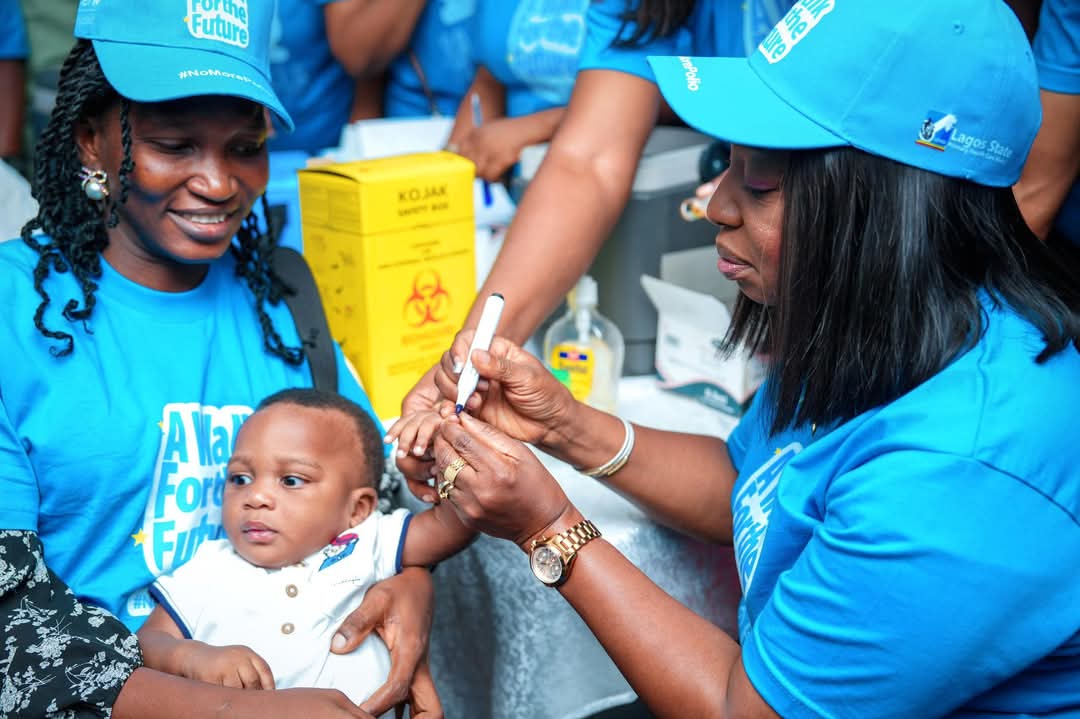
Authorities are restrained from vaccinating any child without prior written consent from a parent or legal guardian.
No adult may be vaccinated without their own prior written consent.
The state is barred from implementing vaccination drives under its October 2024 circulars — or any similar directive — without obtaining such written consent beforehand.
The judgment effectively places strict consent requirements on public vaccination programmes within Lagos State, particularly those targeting children. It also nullifies the enforcement of previous government circulars mandating immunisation without explicit approval from individuals or guardians.
The case is expected to influence future public health policy debates in Nigeria’s commercial capital, especially regarding the balance between public safety measures and individual rights.
Further reactions from government officials and public health authorities were not immediately available at the time of filing this report.



 Football6 days ago
 Business5 days ago
 Crime7 days ago
 Business7 days ago
 Business1 week ago
 Business6 days ago
 Latest3 days ago
 Football7 days ago