
Education
Court orders two Nigerian universities to halt admission process

Court orders two Nigerian universities to halt admission process
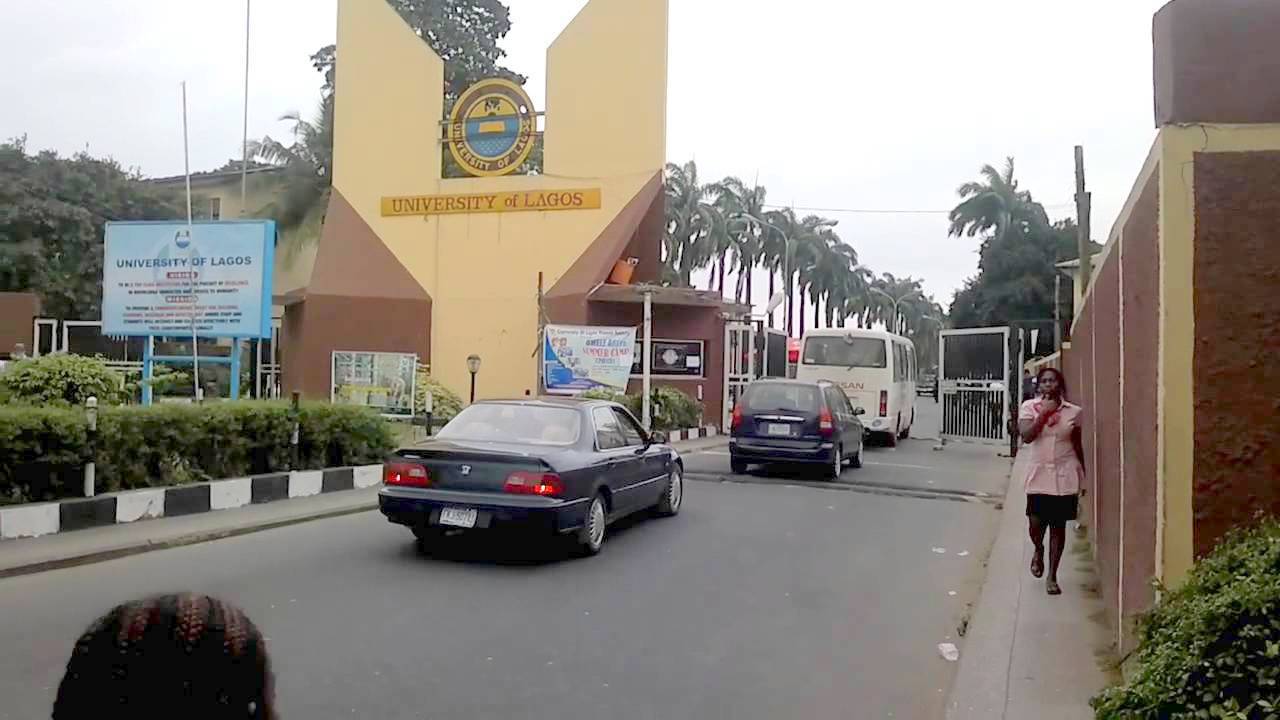
The Federal High Court in Enugu has ordered Obafemi Awolowo University (OAU), Ile-Ife, and the University of Lagos (UNILAG), Akoka, to suspend all ongoing admission processes for the 2025/2026 academic session pending the determination of a suit filed by aggrieved candidates.
Justice Mabel Segun-Bello gave the ruling on Tuesday after five candidates filed a motion ex parte challenging alleged irregularities in the recently concluded Post-UTME examinations. The plaintiffs – Chibuzor Succes, Zainab Oyeleye, Adedeji Samuel, Monsura Aduragbemi, and Bassey Nsikak, sued on behalf of themselves and other affected candidates.
READ ALSO: Fubara Sacks Commissioners
The Joint Admissions and Matriculation Board (JAMB), which manages the Central Admission Processing System (CAPS), was also listed as a respondent.
According to the Certified True Copy (CTC) of the ruling, the applicants sought interim injunctions restraining the universities from releasing or approving any admission list. They also urged the court to direct JAMB not to process admissions until their grievances are heard.
Justice Segun-Bello ruled that both universities and JAMB must be placed on notice, adding that “all parties should maintain the status quo regarding the admission process pending the hearing and determination of the motion on notice.”
UNILAG-OAU
Candidates Allege Malpractice and Technical Glitches
The petitioners alleged that the institutions unfairly flagged candidates for malpractice, withheld results, and wrongly allocated low scores due to system glitches.
Education technology expert, Alex Onyia, claimed that over 700 students were affected by a bug in the online testing platform, describing the situation as a threat to “the destinies of young Nigerians.”
While UNILAG denied withholding results, it admitted disqualifying some candidates for malpractice after internal investigations. OAU’s spokesperson, Abiodun Olarewaju, said the university would study the ruling before issuing a formal response.
The case has reignited debate over fairness and transparency in Nigeria’s Post-UTME admissions system.







 Football5 days ago
Iraq ends 40-year World Cup exile as Baghdad erupts in joy
 Crime5 days ago
Kano-based lawyer reportedly dies after being trapped in Abuja hotel lift
 News1 week ago
Kwankwaso Resigns from NNPP, Cites ‘Strategic Realignment’

 Business6 days ago
Petrol price hikes trigger surge in transport fares nationwide
 Crime7 days ago
12 feared killed in Jos night attack, authorities enforce 48-hour lockdown
 Business5 days ago
CBN unveils mandatory cybersecurity self-assessment tool for Banks

 Football5 days ago
Woman alleges 18 years of abuse by Mikel Obi’s family as she seeks divorce from former captain’s brother

 Business4 days ago
Nigeria braces for cost surge amid 2026 inflation projections