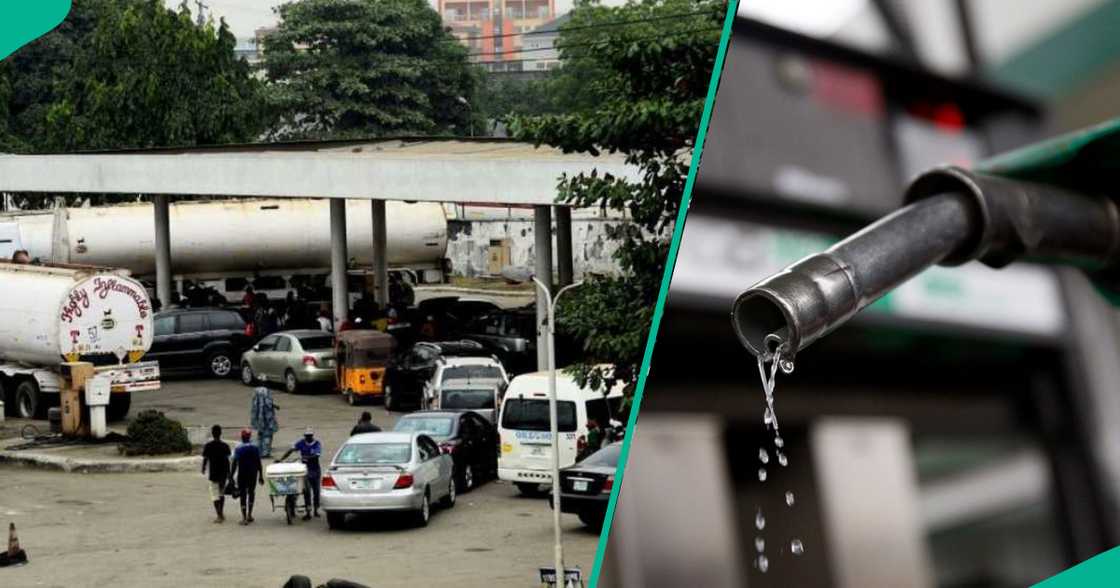
Amid intensifying geopolitical tensions in the Middle East, particularly the ongoing Israel-Iran military confrontation now in its fifth day, the Dangote Refinery and several petroleum products depot operators in Nigeria have increased their ex-depot prices for Premium Motor Spirit (PMS), commonly known as petrol.
Data from Petroleumprice.ng on Tuesday indicated a fresh surge in domestic petrol pricing triggered by the spike in global crude oil benchmarks.
Brent crude traded at $75.63 per barrel while West Texas Intermediate (WTI) hovered at $74.03, according to Oilprice.com, reinforcing fears of supply disruptions in the global market.
Reflecting the pressure, Dangote Refinery raised its ex-depot petrol price to N840 per litre, up from N825 just a day earlier.
Private depots followed suit: Rainoil increased its price to N900, up from N850; Fynefield hiked to N930, up by N51; Mainland adjusted its rate to N920, an increment of N63; Sigmund sold at N920 per litre; Matrix Warri priced at N910; NIPCO moved from N827 to N895; Aiteo pegged its rate at N840 per litre
READ ALSO: PETROAN clarifies Port Harcourt fuel lifting, backs Dangote distribution plan
Reacting to the sharp adjustments, Billy Gillis-Harry, President of the Petroleum Products Retail Outlets Owners Association of Nigeria (PETROAN), emphasized that global oil market dynamics are directly influencing local pricing structures.
“Any cost shift in any of the components of producing refined products will certainly affect the price,” Gillis-Harry said in an interview.
However, this market-driven explanation has been challenged by Festus Osifo, President of the Natural Gas Senior Staff Association of Nigeria (PENGASSAN). Osifo accused petroleum marketers of opportunistic pricing and alleged manipulation.
“In reality, the pump price of petrol should range between N700 and N750 per litre, not the inflated rates currently being pushed by depot owners,” he asserted.
Amid the pricing controversy, there was a temporary relief in the supply chain as tanker drivers under the Independent Petroleum Marketers Association of Nigeria (IPMAN) suspended their strike action.
The protest was in response to the Lagos State Government’s increase in the electronic truck call-up fee — from N2,500 to N12,500 — which the drivers deemed excessive.
While the strike suspension may ease distribution hiccups, the escalating international conflict and its ripple effects on energy markets mean Nigerians could continue to face rising pump prices in the coming weeks.
Industry analysts warn that unless the Israel-Iran crisis de-escalates or the federal government intervenes with cushioning policies, the surge in depot prices will soon translate to a nationwide pump price hike, further straining households and businesses already reeling from inflation and subsidy removal.



 Business1 week ago
 Latest6 days ago
 Business1 week ago
 Football1 week ago
 Business1 week ago
 Business1 week ago
 Football5 days ago
 Business4 days ago