
Editorial Opinion
Dangote Refinery’s Direct Fuel Supply A Bold Step Toward Energy Independence


Dangote Refinery’s Direct Fuel Supply A Bold Step Toward Energy Independence
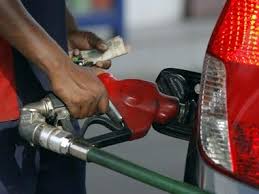
This week’s announcement by the Dangote Petroleum Refinery to commence direct supply of Premium Motor Spirit (PMS) with free delivery to selected states marks a turning point in Nigeria’s long-struggling fuel distribution system. With a gantry price set at ₦820 per litre, and retail pump prices ranging from ₦841 to ₦851, this move signals not only a competitive shift in pricing, but also a powerful assertion of private sector capability in solving one of Nigeria’s most persistent infrastructure challenges.
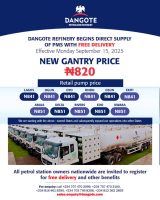
Dangote Refinery reduces fuel price nationwide
For too long, Nigerians have endured the irony of living in an oil-rich country plagued by fuel scarcity, inflated pump prices, and logistical inefficiencies. The entry of the Dangote Refinery into direct PMS supply complete with free delivery to petrol stations is a welcome disruption. It challenges the status quo and offers a practical alternative to a deeply flawed and heavily subsidized downstream sector.
READ ALSO: Dangote reduces fuel prices, unveils direct distribution plan amid industry disputes
The initiative, which begins in key states such as Lagos, Ogun, Abuja, Delta, and Rivers, is expected to expand nationwide. If executed with consistency and transparency, it could relieve pressure on state-run depots, reduce black market activity, and stabilize pricing in the long term.
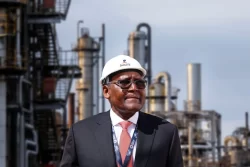
ALIKO DANGOTE
However, it also raises important questions about regulation and market balance. With Dangote’s refinery enjoying unprecedented scale and control over the supply chain, it is crucial that government agencies ensure a level playing field to prevent monopolistic dominance even as we applaud the refinery’s efficiency and ambition.
Furthermore, independent marketers and smaller players must not be pushed out of the market. Instead, they should be integrated into this new supply framework through fair partnerships, competitive pricing, and transparent delivery systems.
What Dangote has introduced is more than a price slash it is a bold reimagining of how fuel gets to Nigerians. It’s a step towards energy independence, market-driven reform, and infrastructure-led economic revival. But its long-term success will depend on one thing: accountability from the refinery, regulators, and the market players alike.
The Nigerian people deserve affordable, accessible, and reliable fuel. For once, it seems we are headed in the right direction. Let us not squander this opportunity.











 Football4 days ago
Iraq ends 40-year World Cup exile as Baghdad erupts in joy
 Football1 week ago
Tuchel names Maguire as fifth-choice centre-back

 Crime5 days ago
Kano-based lawyer reportedly dies after being trapped in Abuja hotel lift
 News7 days ago
Kwankwaso Resigns from NNPP, Cites ‘Strategic Realignment’

 Business6 days ago
Petrol price hikes trigger surge in transport fares nationwide

 Crime7 days ago
12 feared killed in Jos night attack, authorities enforce 48-hour lockdown

 Business5 days ago
CBN unveils mandatory cybersecurity self-assessment tool for Banks

 Football5 days ago
Woman alleges 18 years of abuse by Mikel Obi’s family as she seeks divorce from former captain’s brother