A devastating flash flood that struck Niger State following hours of relentless rainfall has left at least 115 people dead, with rescue teams continuing to recover more bodies amid the wreckage of homes and infrastructure.
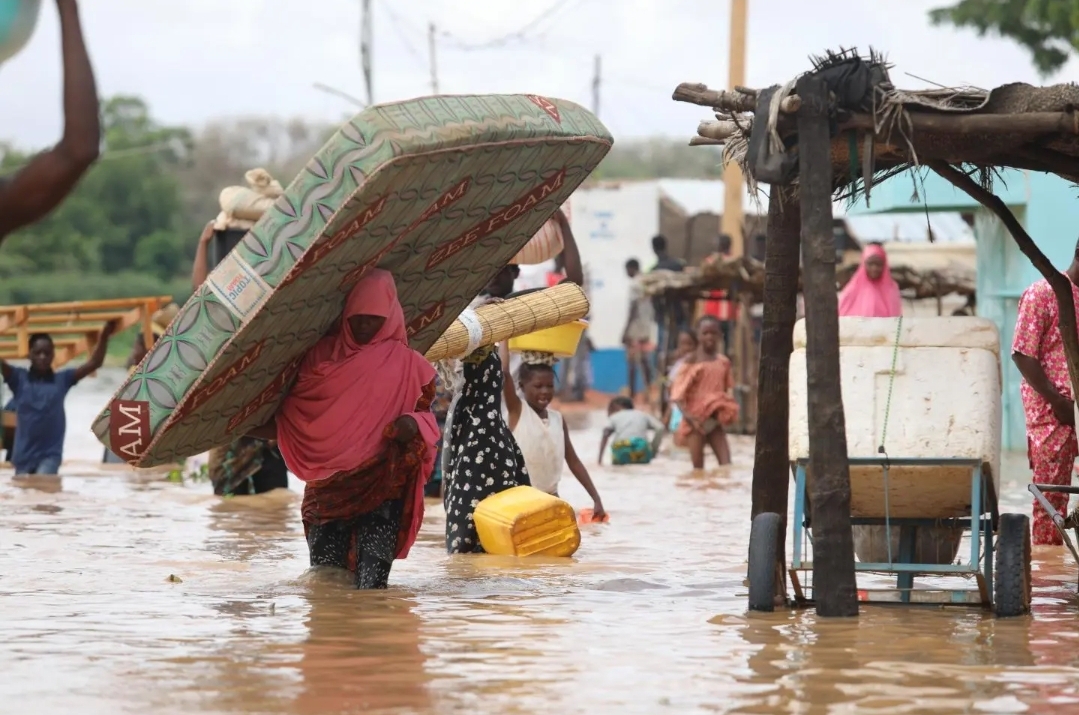
The flood, which occurred between Wednesday night and Thursday morning, wreaked havoc across several communities, sweeping away houses, farmlands, and residents in its path.
According to the Niger State Emergency Management Agency (NSEMA), the death toll is expected to rise as rescue efforts continue.
Speaking to journalists in Minna on Friday, Ibrahim Hussaini, the agency’s spokesperson, painted a grim picture of the unfolding tragedy.
“We have so far recovered 115 bodies, and more are expected as the floodwaters washed victims from distant areas into the River Niger,” Hussaini said. “Downstream, bodies are still being recovered. The toll keeps rising.”
Initial reports on Thursday indicated that 21 people had been confirmed dead with 10 others missing, but as the waters receded and search operations intensified, rescue teams began to uncover more victims — many found buried under the debris of collapsed buildings and destroyed structures.
Emergency responders say the flash flood was triggered by intense, prolonged rainfall that overwhelmed natural and artificial drainage systems.
The resulting deluge caused massive water surges through vulnerable communities near the River Niger, sweeping entire households into the river’s current.
Some of the hardest-hit areas include communities in Mokwa, Lapai, and Borgu local government areas, where the topography channeled floodwaters into residential zones with terrifying speed and force.
“The flood came with such ferocity that families were separated instantly. Many victims were caught asleep or unprepared,” a local volunteer, Ahmed Salihu, recounted. “We found bodies several kilometers away from their homes.”
Hussaini said that many bodies were found entangled in trees, buried under collapsed homes, or washed ashore along riverbanks. He also revealed that emergency teams would require heavy-duty excavators to retrieve more victims believed to be trapped under mud and rubble.
READ ALSO: NGF condoles with Niger state over flood tragedy
“We’re now in a race against time. Some areas are still inaccessible, and the presence of submerged buildings is hampering search efforts. We need all the support we can get,” he added.
The search and rescue operation is being carried out by NSEMA in collaboration with local volunteers, civil defense corps, and other emergency service agencies. Temporary shelters have been set up in parts of Minna and Bida for displaced residents.
Beyond the growing death toll, the disaster has displaced hundreds of families, left dozens injured, and destroyed vital infrastructure including roads, bridges, and farmland — raising concerns about food security and access to emergency healthcare.
“We’ve lost everything,” said Aisha Mohammed, a survivor from the Lapai area. “Our home, our farm, even my husband. We don’t know where to go next.”
Authorities have called for urgent intervention from the federal government, NGOs, and humanitarian organizations to support ongoing relief efforts, provide medical aid, and deliver food, water, and temporary shelter to affected populations.
Environmental experts have long warned that Niger State, located along a major river basin, is highly vulnerable to flash floods, especially during the rainy season. Inadequate urban planning, poor drainage, and climate change-induced extreme weather have all contributed to the region’s increasing susceptibility to such disasters.
The National Emergency Management Agency (NEMA) had earlier in the year listed Niger as one of the high-risk states for severe flooding in 2025, prompting calls for preparedness — yet communities remain exposed due to limited resources and infrastructure.
As families mourn their dead and rescue operations continue, the government faces mounting pressure to strengthen disaster preparedness and climate resilience across Nigeria’s most vulnerable regions. Meanwhile, the focus remains on recovery — both of bodies and of hope.
“This is one of the worst flood disasters we’ve witnessed in recent history,” said a senior NSEMA official. “It is a heartbreaking reminder of the urgent need for proactive planning and sustainable solutions.”
The next few days will be critical, not only for those still searching for their loved ones but also for policymakers faced with the stark realities of climate-related disasters.
As Niger State counts its dead and braces for more rain, the floodwaters may have receded — but the wounds they left behind will take far longer to heal.



 Latest1 week ago
 Football7 days ago
 Business6 days ago
 Latest7 days ago
 Health1 week ago
 Latest6 days ago
 Latest6 days ago
 Latest1 week ago