The future of bye-elections in Nigeria has become a contentious issue as political parties take firm positions, following concerns raised by the Independent National Electoral Commission (INEC) over the financial and logistical strain of conducting these elections.
The debate underscores the challenges of Nigeria’s evolving democracy and the quest for balancing public participation with cost-effective governance.
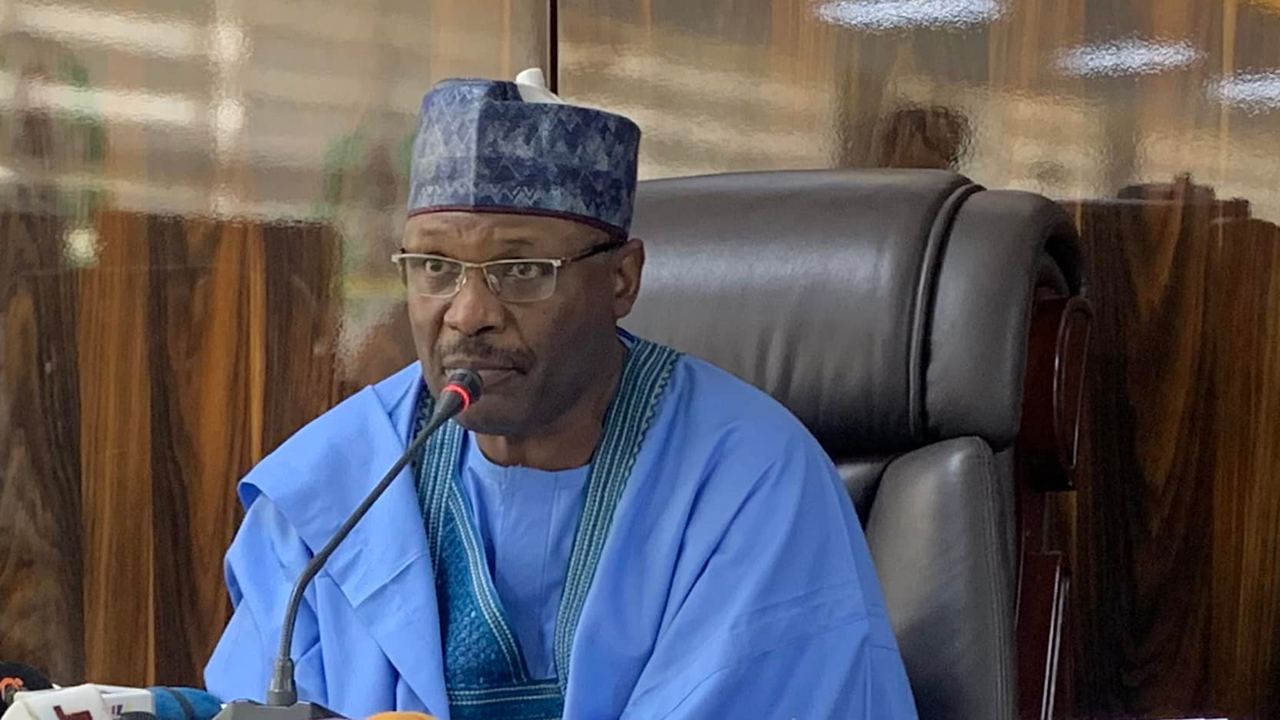
On Wednesday, during a consultative meeting with political party leaders in Abuja, INEC Chairman, Professor Mahmood Yakubu, lamented the growing burden of bye-elections. He painted a stark picture of their unsustainability, citing both mounting costs and the unpredictability of such polls.
“Over the last one and a half years, 23 constituencies have experienced vacancies due to the death or resignation of members,” Yakubu revealed.
“These bye-elections are unbudgeted and difficult to plan for. Worse, some of them trigger a domino effect, where one bye-election leads to several more. This is not sustainable.”
Yakubu urged lawmakers to consider global best practices that fill legislative vacancies without frequent elections. However, his remarks sparked a heated debate among Nigeria’s political class, with parties divided on the best course of action.
The Labour Party (LP) and the New Nigeria People’s Party (NNPP) rejected suggestions by Senior Advocate of Nigeria, Femi Falana, that political parties should internally select replacements for vacant seats.
Obiora Ifoh, LP’s National Publicity Secretary, warned against sidelining voters in the process. “Democracy is about representation. The people must have a say in who stands for them,” he stated. “Allowing parties to fill vacancies could lead to candidates being chosen based on financial clout rather than merit.”
READ ALSO: Atiku support group calls on Tinubu for INEC reform
Ifoh also dismissed concerns about the cost of bye-elections, arguing that INEC already possesses much of the infrastructure needed, such as card readers and the iRev platform.
Similarly, NNPP’s National Publicity Secretary, Ladipo Johnson, questioned the logic of bypassing by-elections. “What’s the difference between a regular election and a by-election? Why should parties decide who fills these positions?”
In contrast, the Peoples Democratic Party (PDP) endorsed Falana’s proposition, emphasizing its cost-saving potential. Ibrahim Abdullahi, the party’s Deputy Publicity Secretary, argued that party-led replacements could significantly reduce INEC’s financial burden. “It’s time we considered empowering parties to handle this. It’s cost-effective and practical,” he said.
The ruling All Progressives Congress (APC) took a more cautious stance. Bala Ibrahim, the party’s National Publicity Director, called for broader consultations on the issue.
“Democracy thrives on the will of the majority. This issue should be subjected to wider deliberation to ensure a balanced decision,” he said. Ibrahim also proposed structural reforms to reduce the frequency of reruns, including stricter conditions for triggering by-elections.
Yakubu reiterated INEC’s commitment to electoral integrity but warned that the current system is unsustainable. “We have advocated for reforms over the past nine years, and more Nigerians are joining this call. We need cost-effective solutions that uphold the spirit of democracy,” he stated.



 Football6 days ago
 Crime1 week ago
 Business5 days ago
 Crime7 days ago
 Business1 week ago
 Business7 days ago
 Latest3 days ago
 Business6 days ago