
Latest
Drug trade thrives amid shanties, filth on new Lagos‑Calabar coastal corridor

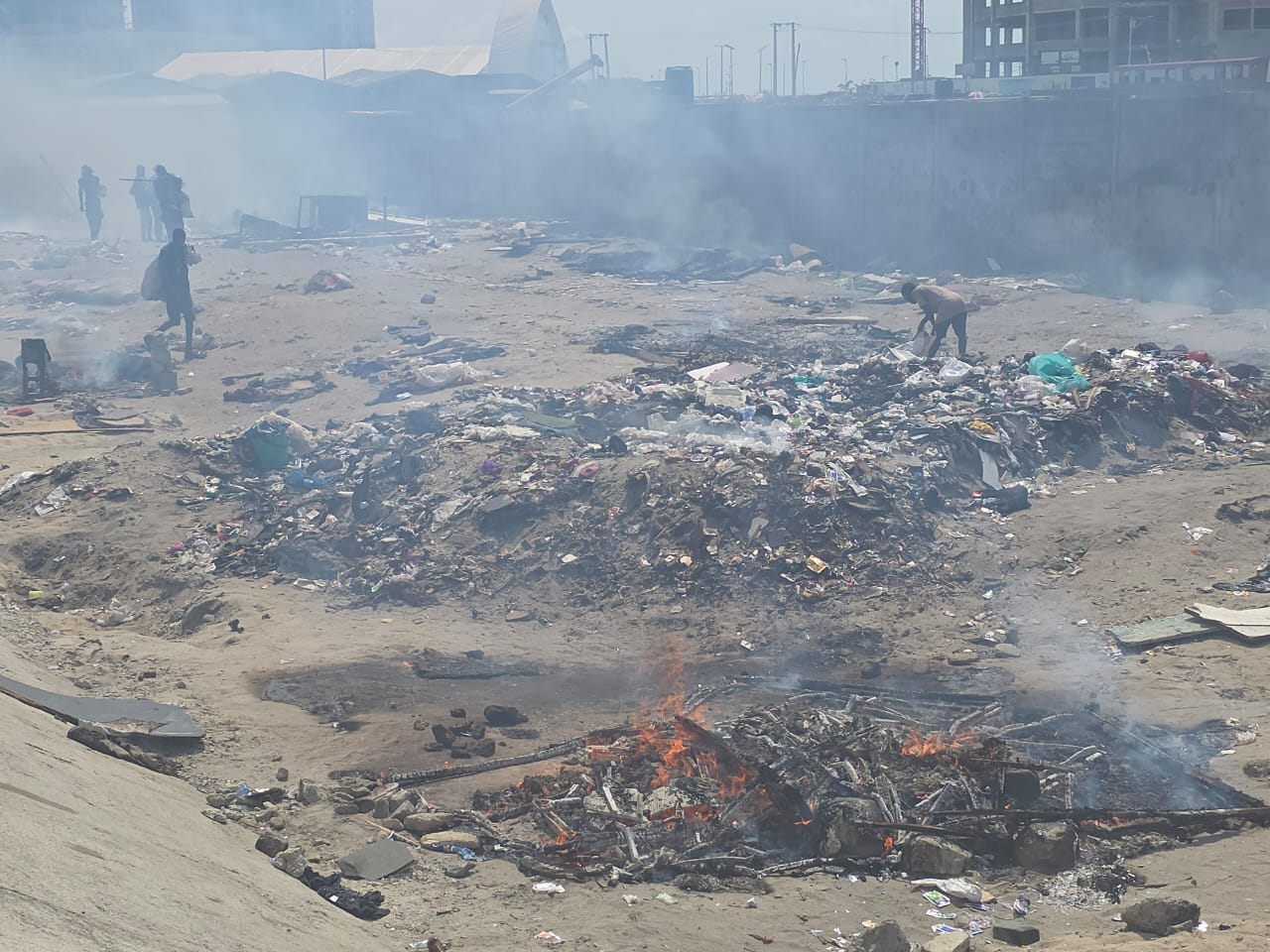
Behind protective barriers, the newly constructed phase one of the Lagos-Calabar Coastal Highway — a 700-kilometre corridor designed to reduce travel times, stimulate trade, and drive economic growth along Nigeria’s south-south coast — is now marred by sprawling makeshift shanties, heaps of refuse, and thriving drug activity, threatening to undermine the highway’s intended benefits.
At first glance, the settlements along Maruwa on the Lekki–Epe axis appear scattered, blending into the roadside.
A closer inspection reveals a dense cluster of fragile shelters made of splintered wood, salvaged planks, rusting nails, and faded tarpaulins in hues of blue, black, grey, and burnt orange. Held down with stones to resist the wind, some shanties measure barely a corridor in width, housing two to three people in stifling, dark, and sweltering conditions.
Among the residents is 29-year-old Musa, a native of Argungu in Kebbi State, who operates a makeshift phone-charging station powered by a petrol generator.
“The government sometimes comes to chase us,” he said. “But they have paused now because the election is around the corner. I’m here not by choice, but because I have nowhere else to stay. If I could afford rent, I’d leave.”
Musa explained that with as little as N20,000–N30,000, anyone can erect a shanty, creating a fragile claim to a space in a city that offers little mercy to the urban poor.
A local authority figure, called the “Sariki,” oversees the informal settlement. Residents allege that business operators contribute N10,000 periodically to the Sariki, who purportedly liaises with law enforcement to prevent demolition of the shanties — claims that Lagos state authorities have yet to verify.
READ ALSO: Lagos-Calabar Coastal Highway: What does phase one truly mean for Nigerians?
The corridor is not only home to makeshift dwellings but also a hub of informal economic activity. Residents run small trades, including barbing salons, wood sales, phone-charging services, and provision stalls. However, some also engage in illicit activities. One man in his 30s admitted to selling drugs including marijuana, cocaine, and methamphetamine, highlighting a darker undercurrent to the otherwise bustling settlement.
Waste management remains a critical issue. Protective partitions intended to buffer the highway have become dumping grounds for plastic, rotting food, and human excrement, emitting acrid odors that hang in the air. Environmental experts warn that such conditions threaten public health and could undermine the economic and social goals of the highway project.
The highway itself, championed by President Bola Ahmed Tinubu, stretches about 1,600 kilometres along the southern coastline, linking Lagos to southeastern states.
Conceived as a transformative infrastructure project, it promises reduced congestion, improved connectivity, and spurs for trade, including a planned link to the Ogoja-Ikom-Cameroon road.
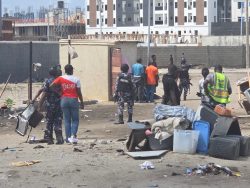
Yet, rapid population growth, rising housing costs, and displacement from other informal settlements have pushed many Lagosians into areas along the highway, creating an unplanned urban environment. When rains arrive, floodwaters compound living conditions, soaking wooden frames and mattresses.
READ ALSO: FG halts Lagos-Calabar coastal highway realignment to save telecom cables, others
Experts argue that without comprehensive resettlement and housing solutions, such settlements will continue to emerge along public infrastructure corridors. Urban planner Dr. Akin Adesina told reporters,
“The Lagos-Calabar highway is an impressive investment in connectivity, but it cannot achieve its goals if residents are forced into unsafe, informal settlements. This is a failure of urban planning and social policy.”
Environmental specialist Professor Grace Onwudiwe highlighted another risk: “Accumulation of refuse along transport corridors not only poses public health risks but also threatens the longevity of the infrastructure. The government must integrate waste management and social housing strategies with infrastructure development.”
The Lagos state government, through Tokunbo Wahab, noted that enforcement efforts have displaced squatters from bridges and waterfronts, some of whom relocated to the coastal highway.
Wahab confirmed plans to establish a dedicated highway security unit and procure additional compactors for waste collection but emphasized that the state cannot endorse informal settlements.
Federal authorities, including Olufemi Dare, denied allegations that officials collect payments to delay demolitions, stating that enforcement is ongoing but the occupants often return within weeks. “We clear the area periodically, but economic pressures push people back,” Dare said, urging permanent resettlement solutions.
The emerging reality along the Lagos-Calabar Coastal Highway underscores the complexity of balancing infrastructural development with social inclusion, environmental protection, and sustainable urban planning.
Without coordinated intervention, experts warn, the corridor risks becoming not only a transportation route but also a site of entrenched informal settlements and social vulnerabilities.


 Football1 week ago
Iraq ends 40-year World Cup exile as Baghdad erupts in joy
 Business1 week ago
Nigeria braces for cost surge amid 2026 inflation projections
 Latest6 days ago
ADC accuses INEC of misinterpreting court order, demands chairman’s removal amidst growing leadership crisis

 Business1 week ago
Naira slips to N1,387/$ in March amid persistent FX market turmoil

 Football1 week ago
Real Madrid eyes Nigerian-born defender Honest Ahanor amid defensive reshuffle

 Business1 week ago
CBN confirms 33 Banks meet minimum capital requirements as recapitalization deadline ends

 Business1 week ago
Lagos tops VAT allocations in January 2026 as allocations surge by 74%

 Football5 days ago
Manchester City storm into FA cup semi-finals with 4-0 rout of Liverpool