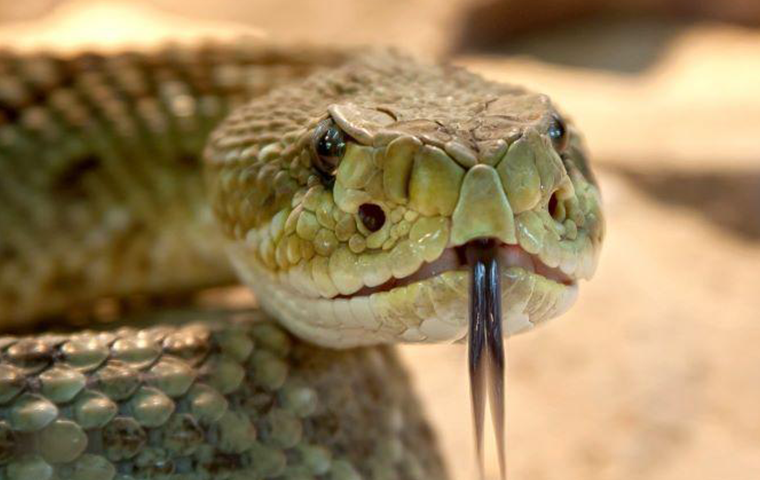
The recent death of 26-year-old singer Ifunanya Nwangene from a snake bite in her Abuja home has sent shockwaves across Nigeria and prompted renewed focus on residential snake safety.
Nwangene, who gained national attention after appearing on The Voice Nigeria in 2021, died on Saturday, January 31, 2026, at the Federal Medical Centre in Abuja after being bitten by a snake while sleeping in her bed. The tragedy has highlighted both the dangers of snake encounters in residential areas and critical gaps in Nigeria’s emergency healthcare system.
Understanding the Threat
Wildlife experts emphasize that most snake encounters in homes are preventable through proper maintenance and environmental management. Snakes typically enter residential properties while searching for food, water, or shelter.
Key Prevention Strategies
Seal Entry Points: Snakes can squeeze through surprisingly small openings. Homeowners should seal gaps under doors, cracks in foundations, openings around pipes, and spaces in walls with weather stripping and wire mesh.
Eliminate Food Sources: Since rodents attract snakes, effective rodent control is essential. Store food in sealed containers, dispose of garbage regularly, and keep pet food indoors.
Maintain Your Yard: Keep grass short (below six inches), remove piles of wood or debris, trim bushes away from the house, and clear leaf litter regularly. Well-maintained yards make snakes feel exposed and vulnerable.
Manage Water: Eliminate standing water that attracts frogs and insects, ensure proper drainage, and regularly clean gutters.
Use Physical Barriers: Snake-proof fencing and gravel borders around buildings can provide additional protection in high-risk areas.
The Medical Emergency Factor
Nwangene’s death has sparked intense debate about antivenom availability in Nigerian hospitals. According to her brother, she first went to Divine Health Hospital in Lugbe where she was told there was no antivenom, forcing her to seek treatment at the Federal Medical Centre.
The Federal Medical Centre has disputed claims of negligence, stating that doctors administered polyvalent anti-snake venom and followed emergency procedures. However, the incident has exposed critical gaps in Nigeria’s emergency healthcare response system.
Medical experts emphasize that anti-snake venom should ideally be administered within minutes of a bite, and basic medicines like antivenom should be readily available in primary healthcare centres across the country.
What to Do if Bitten
In case of a snake bite, experts advise remaining calm, immobilizing the affected limb, and seeking immediate medical attention. Do not attempt to catch or kill the snake, apply tourniquets, or cut the wound.
A Wake-Up Call
Nwangene’s death in an affluent Abuja neighborhood has surprised many Nigerians, as snake bites typically affect rural populations. This tragedy demonstrates that snake safety is a concern for all Nigerians, regardless of location.
As the nation mourns the loss of a talented young artist, the message is clear: prevention through proper home maintenance and improved emergency healthcare response can save lives. Every homeowner should take snake prevention seriously—because no one expects a tragedy until it happens.



 Latest7 days ago
 Football6 days ago
 Business6 days ago
 Latest6 days ago
 Health6 days ago
 Latest1 week ago
 Latest7 days ago
 Latest5 days ago