The Federal Government has approved the introduction of mandatory and random drug integrity tests for students in tertiary institutions across Nigeria as part of an intensified national campaign against drug abuse among youths.
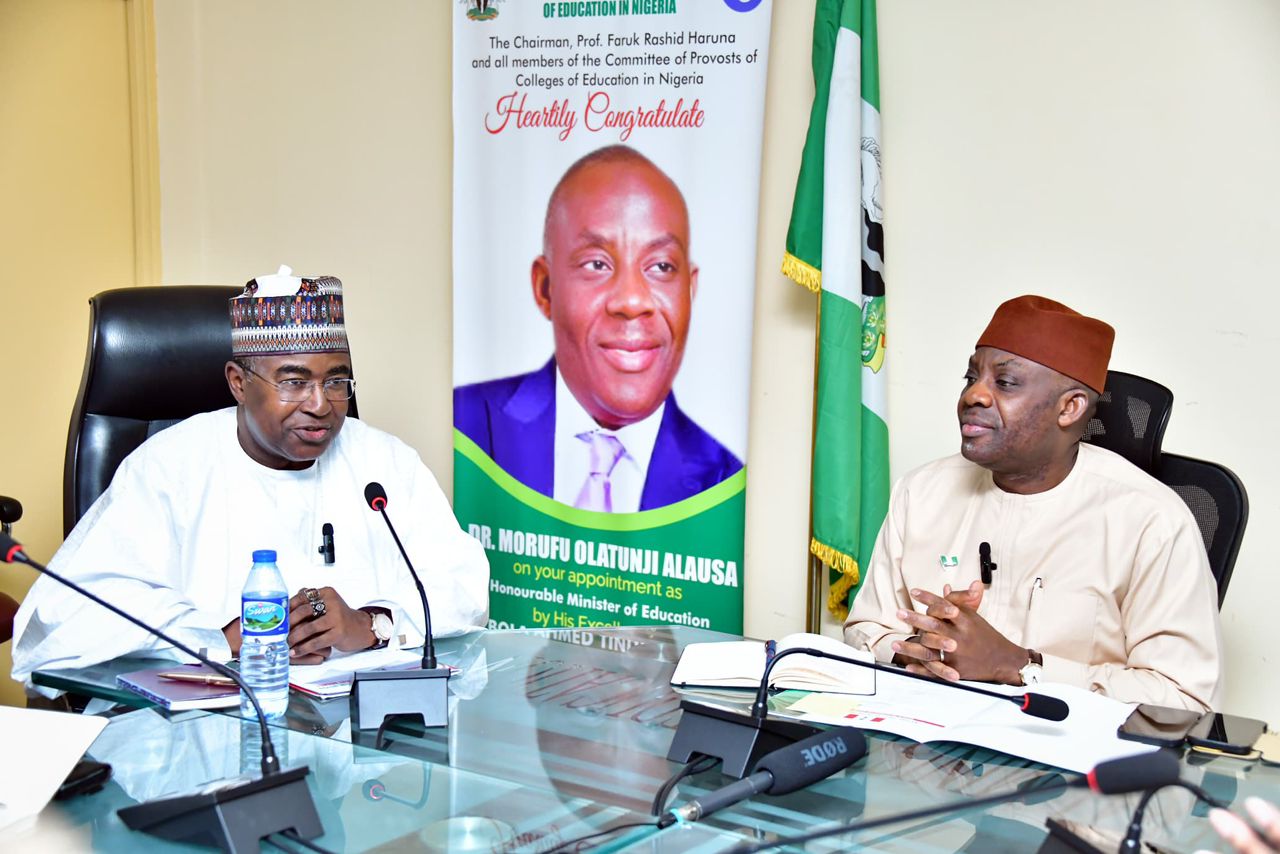
The decision was announced by the Minister of Education, Dr. Tunji Alausa, following a high-level meeting with the Chairman and Chief Executive of the National Drug Law Enforcement Agency (NDLEA), Brig. Gen. Buba Marwa (retd), held in Abuja on Wednesday.
According to a statement by NDLEA spokesperson Femi Babafemi, the minister also endorsed a sweeping review of the secondary school curriculum to integrate updated and more effective drug education modules, while committing to the formation of an inter-ministerial working group to coordinate national responses to youth drug use.
At the meeting, Marwa presented a three-pronged strategy to tackle drug abuse among students:
Introducing stand-alone drug abuse prevention programmes in secondary schools.
Implementing a nationwide drug testing policy in tertiary institutions — targeting new and returning students, along with random testing throughout the academic calendar.
Marwa warned that drug abuse among youths poses a grave national security threat, citing its link to rising criminal activities including terrorism, kidnapping, and cultism.
“We are fighting for the souls of our children. Without drugs, many of these criminal activities would not be possible,” he said, revealing that NDLEA had arrested over 40,000 drug offenders and seized more than 5,500 metric tonnes of illicit substances in the last two years.
In response, Minister Alausa stressed the urgency of the initiative, describing drug abuse as a critical factor undermining both education and national productivity.
READ ALSO: NDLEA intercepts drugs in moi-moi sachets, canned food in Lagos
“When the youths get into drugs, they won’t go to school, and even when they do, they don’t receive functional education. This weakens their critical thinking and decision-making, ultimately making them unemployable,” he said.
Alausa confirmed that compulsory drug testing would be implemented for all students in higher institutions, starting with fresh and returning students, along with random testing protocols.
“We will do it. We have to do it. We do not have a choice,” the minister said.
The Minister further announced the establishment of a Substance Use Prevention Unit within the Ministry of Education and disclosed that a comprehensive curriculum review for secondary schools is ongoing, with plans to integrate drug education across primary and secondary levels.
“We’re currently developing a new curriculum for secondary schools and will cascade this reform to the primary level. Drug prevention must be embedded from the foundation,” he said.
He also endorsed the NDLEA’s proposal for stand-alone school programmes to promote continuous drug education across institutions.
In a broader show of support, Alausa pledged the ministry’s collaboration with the Universal Basic Education Commission (UBEC) and the Tertiary Education Trust Fund (TETFund) to enhance capacity at the NDLEA Academy in Jos, Plateau State, which serves as the agency’s training hub for drug enforcement officers.
This renewed collaboration between the Ministry of Education and NDLEA signals a unified government approach to combat Nigeria’s deepening drug crisis, particularly among its vulnerable youth population.



 Football5 days ago
 Crime5 days ago
 News1 week ago
 Business6 days ago
 Crime7 days ago
 Business5 days ago
 Football5 days ago
 Business4 days ago