The Federal Government has engaged in high-level talks with global professional services firm, KPMG, following growing concerns and disagreements over the interpretation and implementation of Nigeria’s newly enacted tax laws.
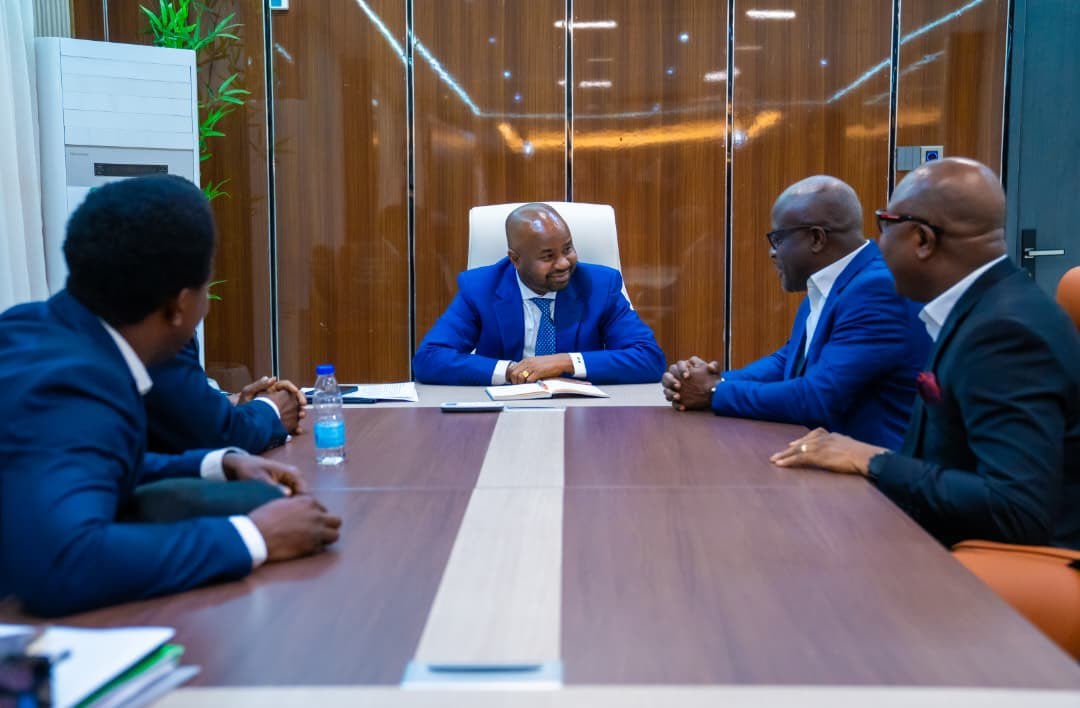
The meeting, led by the Executive Chairman of the Nigeria Revenue Service (NRS), Dr. Zacch Adedeji, took place this week in Abuja during a courtesy visit by senior KPMG executives, as public debate continues over the implications of the new tax framework.
In a statement shared on its official X (formerly Twitter) account, the NRS said the discussions were aimed at clarifying areas of concern that had generated confusion among taxpayers and stakeholders.
Dr. Adedeji used the opportunity to address what he described as misinterpretations and misrepresentations of certain provisions of the new tax laws.
According to the NRS, the KPMG delegation acknowledged that aspects of its earlier commentary on the tax reforms had been misconstrued and expressed regret over the resulting misunderstanding.
The firm, however, sought further clarification on specific provisions and identified areas where professional recommendations could be offered to strengthen implementation.
Both parties agreed that differing interpretations of the laws had contributed to uncertainty among taxpayers and emphasised the need for sustained engagement to address emerging challenges.
The KPMG team also commended the NRS leadership for what it described as the effective and timely rollout of the reforms, noting that its initial apprehensions had been significantly reduced.
READ ALSO: KPMG clarifies position on Nigeria’s new tax laws
“The Executive Chairman of the Nigeria Revenue Service (NRS), Dr. Zacch Adedeji, today received a delegation of top management from KPMG on a courtesy visit.
The KPMG executives commended the Executive Chairman for his leadership and the timely implementation of the new tax laws, noting that their initial apprehensions have been significantly allayed,” the NRS said in its post.
“They affirmed that the reforms are both necessary and timely, and pledged continued professional engagement in support of effective tax administration and national economic growth,” the statement added.
The meeting follows a report released by KPMG on January 8, 2026, titled “Nigeria’s New Tax Laws: Inherent Errors, Inconsistencies, Gaps and Omissions,” in which the firm raised concerns over several aspects of the reforms.
The report highlighted issues relating to the taxation of shares, dividend treatment, obligations of non-resident entities, and foreign exchange deductions, warning that perceived flaws could trigger disputes, discourage investment, and lead to capital flight.
KPMG had called for a review of the laws, arguing that what it described as “errors, inconsistencies, gaps, omissions, and lacunae” required urgent reconsideration.
However, the report drew sharp criticism from the Chairman of the Presidential Fiscal Policy and Tax Reforms Committee, Taiwo Oyedele, who faulted key observations made by KPMG.
The committee maintained that most of the concerns raised stemmed from misunderstandings of policy intent rather than actual defects in the laws.



 Business1 week ago
 Latest6 days ago
 Business1 week ago
 Football1 week ago
 Business1 week ago
 Business1 week ago
 Football5 days ago
 Business4 days ago