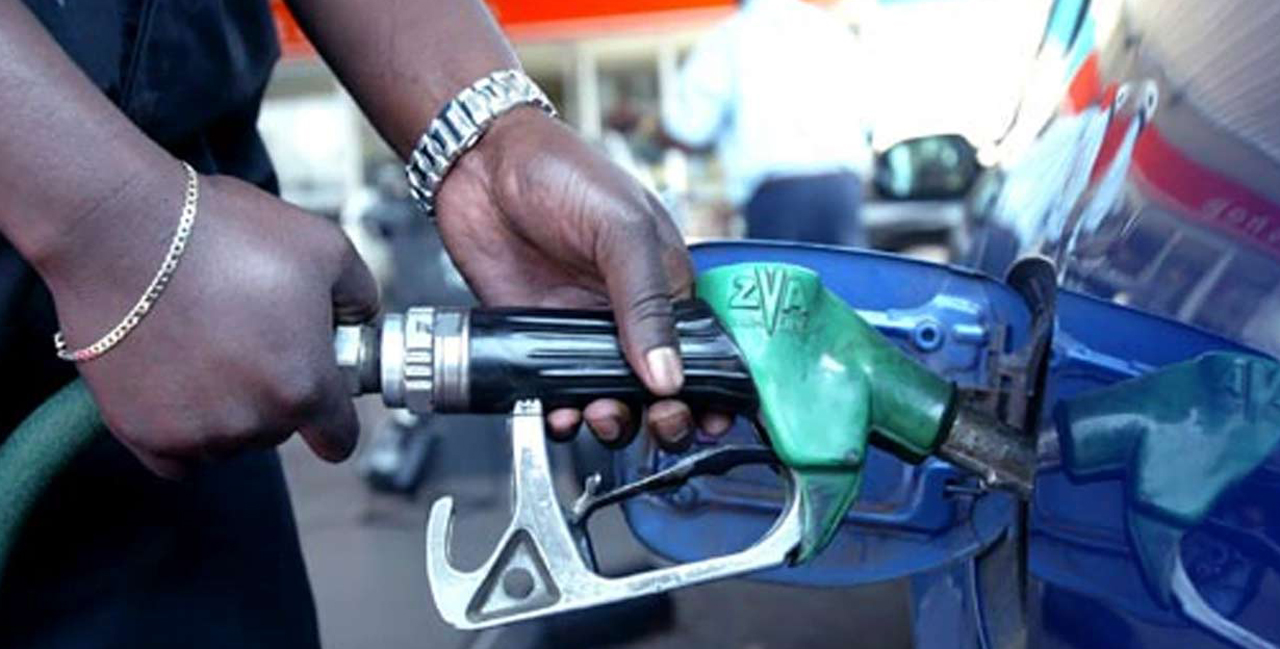
The Federal Government has recorded a staggering 500% increase in national savings in the first quarter of 2025, following the controversial removal of petrol subsidies, according to a new report released by the National Orientation Agency (NOA) on Tuesday.
Titled “Two Years Later: Key Benefits of Subsidy Removal,” the report marks the 45th edition of NOA’s public enlightenment series The Explainer.
It presents a detailed assessment of the economic ripple effects of President Bola Ahmed Tinubu’s bold 2023 fiscal policy move, which eliminated decades-old fuel subsidies in a bid to stabilize the nation’s finances.
The report reveals that government revenues rose sharply from ₦154 billion to ₦836 billion in Q1 2025 alone—a more than fivefold increase—marking one of the most significant financial turnarounds in recent Nigerian history.
The policy change has enabled the Nigerian National Petroleum Company Limited (NNPCL) to remit substantially higher funds into the Federation Account Allocation Committee (FAAC), boosting federal and state government spending capacity.
READ ALSO: Missing Fuel Subsidy Savings: World Bank, NNPCL and FG’s Game of Deceit
“This shift has dramatically improved the country’s financial health,” the NOA report states. “Fuel subsidies were bleeding the economy. Their removal is now redirecting resources into critical areas of development.”
In 2024, FAAC allocations surged to an all-time high of ₦15.26 trillion, allowing states not only to pay salaries consistently but also to settle ₦1.85 trillion in subnational debts.
According to the NOA, this new fiscal environment has enabled the funding of ambitious development initiatives, including: ₦20 trillion National Infrastructure Fund; ₦54 billion in student loans through NELFUND; ₦1.5 trillion for agricultural development and ₦1 trillion for the solid minerals sector
The agency underscored that the subsidy removal also triggered a long-overdue reversal in Nigeria’s spending structure. For the first time in over a decade, capital expenditure in the 2025 national budget has overtaken recurrent costs, hitting ₦23.96 trillion, compared to ₦13.64 trillion in recurrent spending.
Describing the policy as “painful but inevitable,” the NOA compared the experience to “a woman in labour”—marked by discomfort but ultimately yielding new life and hope.
“For decades, fuel subsidies were an albatross hanging over Nigeria’s economy,” the report reads. “Despite multiple failed attempts by previous administrations, the Tinubu-led government took the hard decision and has, in just two years, steered the nation away from economic collapse.”
READ ALSO: Nigeria’s fuel subsidy fallout: Two years later, the pain persists
The document highlighted that between 2005 and 2022, Nigeria spent over $84 billion on petrol subsidies, with the 2022 budget alone skyrocketing to ₦4 trillion. At the time, 97% of the country’s revenues were being used for debt servicing, leaving little room for growth or investment.
The report emphasized that the benefits of the reforms are being felt beyond the federal level. FAAC disbursements to states and local governments rose from ₦4.79 trillion in 2022 to ₦6.16 trillion in 2023, before nearly tripling to ₦9.58 trillion in 2024. This has translated into greater fiscal autonomy and improved debt positions for many states.
Notably, the total domestic debt of states dropped from ₦5.82 trillion in June 2023 to ₦3.97 trillion by the end of 2024, reflecting enhanced debt management and repayment capabilities.
Despite ongoing public anxiety about inflation and cost of living, the NOA insists the reforms are setting Nigeria on a path toward long-term sustainability. The redirection of funds toward infrastructure, education, agriculture, and energy transition reflects what the agency called “a foundational shift” in the country’s economic priorities.
Foreign reserves have also experienced modest recovery, climbing to $38.9 billion, despite continued pressure from foreign exchange obligations.
“The days of runaway subsidy spending and fiscal leakage are behind us,” the report concludes. “Nigeria is now investing in its future—constructing a resilient economy, enabling state growth, and empowering its citizens.”


 Latest1 week ago
 Football7 days ago
 Business6 days ago
 Latest7 days ago
 Health1 week ago
 Latest6 days ago
 Latest6 days ago
 Latest1 week ago