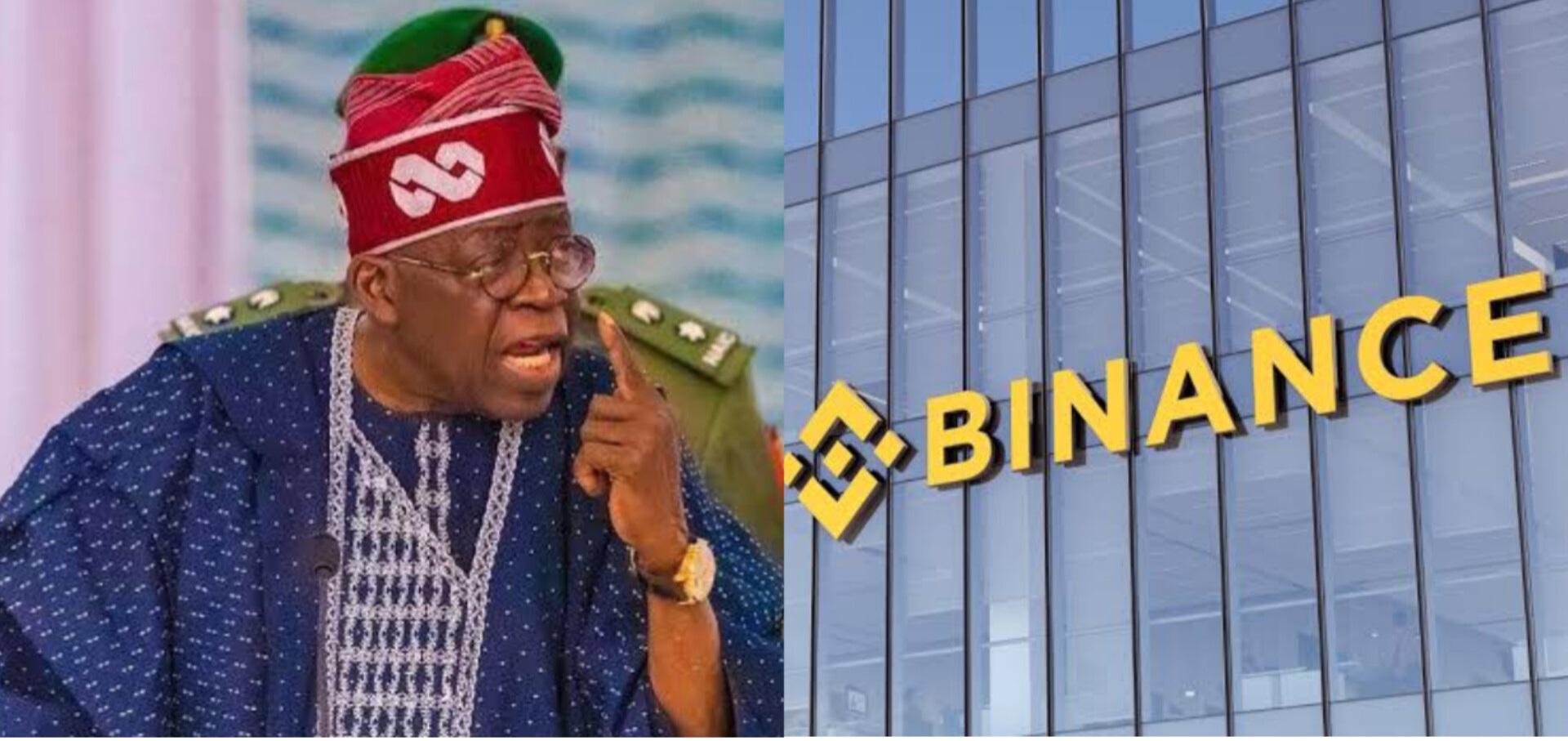
The Federal Government of Nigeria has initiated legal action against Binance, a global cryptocurrency platform, demanding a penalty of N79.51 billion and N231 million ($81.5 billion) for alleged economic losses incurred due to its operations in the country.
The lawsuit, filed by the Federal Inland Revenue Service (FIRS) at the Federal High Court in Abuja, also seeks $2.001 billion in unpaid income taxes for the years 2022 and 2023. The case, marked FHC/ABJ/CS/1444/2024, was brought before Justice Emeka Nwite.
The FIRS, along with the Economic and Financial Crimes Commission (EFCC), has charged Binance and two of its executives, Tigran Gambaryan and Nadeem Anjarwalla, with tax evasion, money laundering, and foreign exchange violations.
Key allegations include: Binance failed to register with the FIRS for tax compliance; The platform concealed its business operations in Nigeria despite having a significant economic presence.
Binance violated the Companies Income Tax Act, the FIRS Establishment Act 2007, the CBN Regulatory Framework for Mobile Money Services, and the CIT Significant Economic Presence (SEP) Order.
The SEP Order, which was signed by former Finance Minister Zainab Ahmed and gazetted in May 2020, mandates that foreign companies generating at least N25 million annually from digital services in Nigeria must pay corporate income tax.
An affidavit deposed to by Jimada Yusuf, a member of the Special Investigation Team from the Office of the National Security Adviser (NSA), revealed that Binance had been operating in Nigeria for over six years without proper registration.
READ ALSO: Lawmaker denies Binance bribery allegations, calls claims malicious
During a 2024 meeting with the Securities and Exchange Commission (SEC), Binance executives Anjarwalla and Gambaryan reportedly admitted that the platform had:
Illegally listing and trading the Nigerian Naira, despite claims that it had delisted the currency following government investigations.
The government also alleged that Binance refused to provide six years’ worth of business records, despite a Federal High Court order mandating the disclosure of such records to FIRS through the EFCC.
At the February 11, 2025, court session, FIRS lead counsel Kanu Agabi, SAN, informed Justice Inyang Ekwo that Binance’s legal team was absent from the proceedings.
He further stated that efforts to serve Binance directly had been unsuccessful, prompting him to file a motion for substituted service.
Justice Ekwo granted the motion, ordering that Binance be served within seven days. The case was adjourned to March 3, 2025.
This latest lawsuit follows a series of legal battles between Binance and the Nigerian government. Recently, Binance executive Tigran Gambaryan accused NSA Nuhu Ribadu and lawmakers in the House of Representatives of bribery and corruption via a statement on his X (formerly Twitter) account.
The Nigerian government dismissed these claims, calling them misinformation and defamatory.
It is worth noting that in October 2024, the money laundering charges previously filed against Tigran Gambaryan were dropped by the Nigerian government.
With the upcoming court hearing on March 3, 2025, all eyes will be on the legal battle between Binance and the Federal Government, as the case could have significant implications for cryptocurrency regulation in Nigeria.



 Crime1 week ago
 Latest1 week ago
 Latest7 days ago
 Crime1 week ago
 Latest1 week ago
 Latest6 days ago
 Business7 days ago
 Latest6 days ago