
Health
GMOs in Nigeria: A Bio-Weapon in Disguise?
Fears Grow Over Health, Economic, and Sovereignty Risks Linked to Genetically Modified Crops ,A seed may seem harmless, but when it’s part of a chemical ecosystem controlled from abroad, it becomes a political weapon.

Published
8 months agoon
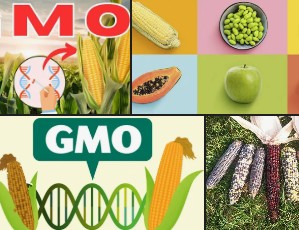
In recent years, the presence of Genetically Modified Organisms (GMOs) in Nigeria’s agricultural landscape has stirred heated debate.
Once hailed as a solution to food insecurity, climate change, and agricultural inefficiencies, GMOs are now being viewed by many with deep suspicion.
A growing number of Nigerians are raising alarm bells not just about the safety of GMOs but about what they may represent: a biological weapon targeted at the population and national sovereignty.
Genetically Modified Organisms (GMOs) are living organisms plants, animals, or microbes whose genetic material has been artificially altered through genetic engineering. In agriculture, crops like cassava, maize, and even ginger are modified to increase yield, resist pests, and tolerate herbicides.
But beneath this promise lies a deeper, darker concern particularly in countries like Nigeria, where regulation is weak, foreign biotech companies dominate the scene, and public awareness is minimal.
Ginger and Cassava: Case Studies of Decline
1. Ginger
Ginger, once a pride of Nigeria’s spice exports, has experienced a suspicious decline. Farmers report that the introduction of high-yield GMO ginger varieties has altered the natural growth cycle, reducing soil fertility and leading to more aggressive pest cycles.
Even worse, the chemical dependency of GMO ginger has led to increased use of herbicides and pesticides, many of which are banned in developed countries due to their health risks.
Some farmers claim their GMO ginger crops look bigger, but the quality, aroma, and medicinal value have declined. Traditional healers and herbal medicine practitioners say the new ginger lacks potency, and consumers complain of increased allergic reactions and gastrointestinal issues.
2. Cassava
Cassava, Nigeria’s staple crop, has also been targeted for genetic modification. Promoted as a solution to vitamin A deficiency through the development of “bio-fortified” varieties, GMO cassava has entered farms without full public awareness or consent.
The outcome? Reports from local agricultural communities indicate that modified cassava varieties are more prone to rot quickly, taste different, and require more chemical fertilizers.
This pushes farmers into a dependency cycle once they start growing GMO cassava, they need to keep buying seeds, fertilizers, and chemicals from the companies that created them.
Unlike native varieties, GMO cassava cannot be replanted from the previous year’s harvest, robbing farmers of seed sovereignty.
The Real Cost: Nigeria’s Health, Economy, and Food Sovereignty
1. Adverse Health Effects
Many experts, especially outside the GMO industry, warn of potential health risks. These include:
- Increased rates of cancer, especially due to chemical residues from pesticides like glyphosate.
- Disruption of gut microbiota and digestion.
- Increased allergic reactions.
- Potential long-term genetic effects not yet fully studied.
GMO products are often sprayed with more chemicals, some of which have been linked to hormone disruption, infertility, and neurological issues. The Nigerian health sector is already burdened, and the introduction of GMO-linked illnesses could push it over the edge.
2. Economic Dependence
GMOs have created a trap of economic dependence. Nigerian farmers who once freely exchanged local seeds are now bound to foreign corporations that control the modified seed stock. Each planting season, they must purchase new seeds, fertilizers, and pesticides — often in dollars — creating economic pressure and reducing national food independence.
This threatens the existence of local seed banks, indigenous farming practices, and traditional food systems.
The profits go to multinational biotech companies while Nigerian farmers carry the risk.
3. Environmental Damage
Chemical-based farming is poisoning Nigeria’s soil and waterways. GMO crops require synthetic fertilizers and herbicides, which degrade soil quality, kill beneficial insects, and contribute to the extinction of local plant varieties.
Biodiversity is under threat. Once a region starts farming GMOs, it’s hard to go back.
Experts on Edge: The Crisis in Agricultural Knowledge
As more traditional crop varieties disappear and chemical farming dominates, agricultural experts, local researchers, and even food scientists are struggling to cope. Indigenous knowledge systems are being erased.
Universities are shifting their curriculum toward biotech-driven agriculture, sidelining organic and traditional systems.
Many agricultural experts now admit they are facing a crisis: the GMO invasion has reshaped the field, but not in a way that truly benefits Nigeria.
Some worry that the nation’s ability to feed itself, organically and sustainably, is being destroyed from within.
Academics and indigenous agricultural experts are raising alarms about what they describe as a slow erosion of local knowledge systems. As universities align with biotech-focused curriculums, traditional and organic farming expertise is being sidelined.
“There is a silent crisis in agricultural education,” said a senior lecturer at the Federal University of Agriculture, Abeokuta. “We’re losing the essence of Nigerian agriculture.”
ALSO READ : Fluoride’ Exposé by Pastor Chris Oyakhilome: Dangers ahead
GMO as a Bio-Weapon?
The question many are beginning to ask: Is GMO just bad science, or something more dangerous?
- Biological Warfare: Some believe that GMO crops, coupled with their associated chemicals, are part of a larger plan to reduce population health, increase dependency, and weaken food sovereignty.
- Mass Surveillance through Food Systems: With seed patents and biotech control, companies can monitor what is grown, where, and how. This is a form of agricultural surveillance.
- Loss of Autonomy: If Nigeria cannot grow its own food without foreign intervention, it loses control politically, economically, and socially.
While these may sound like conspiracy theories, the pattern is undeniable: since the widespread introduction of GMOs, many Nigerian farmers, crops, and systems have gone down. Communities are disempowered. Health is under threat. Local economies are hollowed out.
Conclusion: A Nation at a Crossroads
The invasion of GMOs in Nigeria is more than a scientific debate it’s a matter of national survival. If the current path continues, Nigeria risks losing its agricultural identity, its food sovereignty, and the health of its people.
There must be urgent action:
- Public awareness campaigns on the dangers of GMOs.
- Support for organic and traditional farming.
- Strict regulatory frameworks to protect local farmers and consumers.
- National investment in indigenous seed banks and research.
GMO is not just a seed it is a chemical system. And chemical systems, when unregulated and misused, become poisonous.
Nigeria must wake up before it’s too late.

You may like
Trending

 Energy1 week ago
Nigeria leads Africa in refining as Dangote exports 456,000 tonnes of fuel

 Crime6 days ago
Delta Police Arrest Over 270 Suspects in Warri, Ughelli Raids as Activists Accuse Officers of Rights Abuses

 Football1 week ago
Italy lead World Cup playoff team valuations at €839m as DR Congo stand out

 Business1 week ago
Air Peace announces resumption of direct Lagos–Barbados flights from May 2026

 Football2 days ago
Iraq ends 40-year World Cup exile as Baghdad erupts in joy
 Football6 days ago
Tuchel names Maguire as fifth-choice centre-back
 Crime6 days ago
Tragedy of Benue’s Forced Relocation, Armed Attacks Clear Communities

 Business7 days ago
NCC launches TIRMS platform to strengthen digital security, combat mobile fraud