
Health
Habits your brain will love

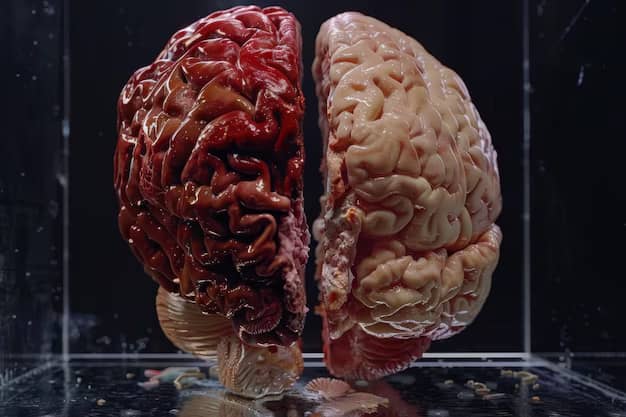
I have a serious fear of mental decline, which, like ageing, is inevitable. Still, I want to hold it off for as long as possible. So, whenever I forget something—a name, a street, a movie, or a point in history—I work hard to recall it. I push myself, rushing to Google and typing in clues, trying to jog my memory. I do this because I’ve read that the more you use your brain, the more active your neurons remain—and the less likely you are to experience early-onset mental decline.
Keeping your brain active requires a multifaceted approach involving lifestyle changes and healthy habits. While nothing can guarantee complete prevention, these strategies can significantly reduce the risk and promote long-term brain health:
Regular exercise: Engage in physical activities like walking, jogging, swimming, or dancing. Exercise improves blood flow to the brain, enhances cognitive function, and reduces the risk of dementia.
Mental stimulation: Challenge your brain regularly by reading, solving puzzles, learning new skills, playing musical instruments, or engaging in activities that require mental effort. Stimulating your brain builds cognitive reserve, which can delay the onset of dementia.
Healthy diet: Eat a balanced diet rich in fruits, vegetables, whole grains, lean proteins, and healthy fats. Include foods high in omega-3 fatty acids (like fatty fish), antioxidants (such as berries and leafy greens), and vitamins B12, D, and E.
Manage cardiovascular risk factors: Control high blood pressure, maintain healthy cholesterol levels, manage diabetes, and avoid smoking. Good heart health is closely linked to brain health.
Maintain a healthy weight: Obesity and excess abdominal fat are linked to increased risk of dementia. Achieve and maintain a healthy weight through regular physical activity and a nutritious diet.
Get quality sleep: Prioritise good sleep hygiene. Create a consistent sleep routine and a restful environment, and ensure you get adequate sleep. Poor sleep has been linked to cognitive decline.
Stay socially active: Maintain relationships with family and friends, participate in community activities, join clubs, or volunteer. Social interaction helps preserve both cognitive function and emotional well-being.
Manage chronic conditions: Regularly monitor and treat conditions like diabetes, high blood pressure, and high cholesterol. Unmanaged, these conditions significantly increase the risk of dementia.
Limit alcohol consumption: Excessive alcohol use can damage the brain and raise the risk of cognitive decline. Stick to moderation as recommended by health professionals.
ALSO READ: GMOs in Nigeria: A Bio-Weapon in Disguise?
Protect your head: Prevent head injuries by wearing seat belts in vehicles, using helmets when cycling or playing sports, and making your living space safe, especially for older adults.
Remember: while these habits may lower your risk, they are not guarantees. It’s important to consult healthcare professionals for personalised advice tailored to your unique needs and risks.

Research also shows that strong social connections are essential to happiness and overall quality of life. They have a profound effect on physical, mental, and emotional health, including helping to prevent dementia in older age.
Physical activity is another vital factor. Staying active supports brain health in powerful ways. Physiotherapists can offer guidance on how to start moving safely and effectively.
As one researcher aptly put it:
“So much research on the causes or prevention of dementia is too narrowly focused—too much attention is paid to the brain and not enough to the whole person.”
There’s no single food or supplement that can prevent dementia, not even for Alzheimer’s disease. But research suggests that a healthy, balanced diet full of fruits, vegetables, and whole grains can help reduce your risk.
Key risk factors we can act on include:
Getting more exercise / eating better /quitting smoking /controlling cholesterol, and high blood pressure
Some studies suggest that berries like cranberries and blackberries may be particularly beneficial for brain health.
And here’s something fascinating: there’s growing evidence about the connection between muscles and the brain. Exercise doesn’t just make your body stronger—it also protects and strengthens your mind.
My brain is one of the most important parts of my body—it’s how I make my living, my bread and butter. I honestly don’t know where I’d be without it. That’s why I intend to keep it in the best condition possible. Just like I care for my body, I can—and will—do both.
OVIGHO RICHARD OKOJEVOH-CIEH.SMC.CEH.PMP.
Is a Scrum Master Certified, Project/Product Management & HSE Professional, and the Executive Secretary of the Society for Health, Safety, and Environmental Education


 Football1 week ago
Manchester City storm into FA cup semi-finals with 4-0 rout of Liverpool

 Business7 days ago
Soaring fuel prices worsen economic hardship for Nigerians

 Latest1 week ago
2027: Fresh details emerge on Peter Obi’s political strategy amid ADC crisis

 Latest7 days ago
Inside the daring U.S. mission to rescue stranded airman in Iran

 Health1 week ago
Study finds higher risk of heart inflammation in teens after mRNA COVID-19 vaccination

 Latest7 days ago
Breaking: Internal pressure mounts as ADC considers leadership shift to Ralph Nwosu

 Crime7 days ago
Fear grips Zamfara villages as bandits demand N16m or face attacks

 Latest6 days ago
APC plotting to frustrate Peter Obi’s 2027 ambition — Obidient Movement