
Crime
IGP Disu Refutes Reports of Total Squad Dissolution; Orders Strategic Thinning

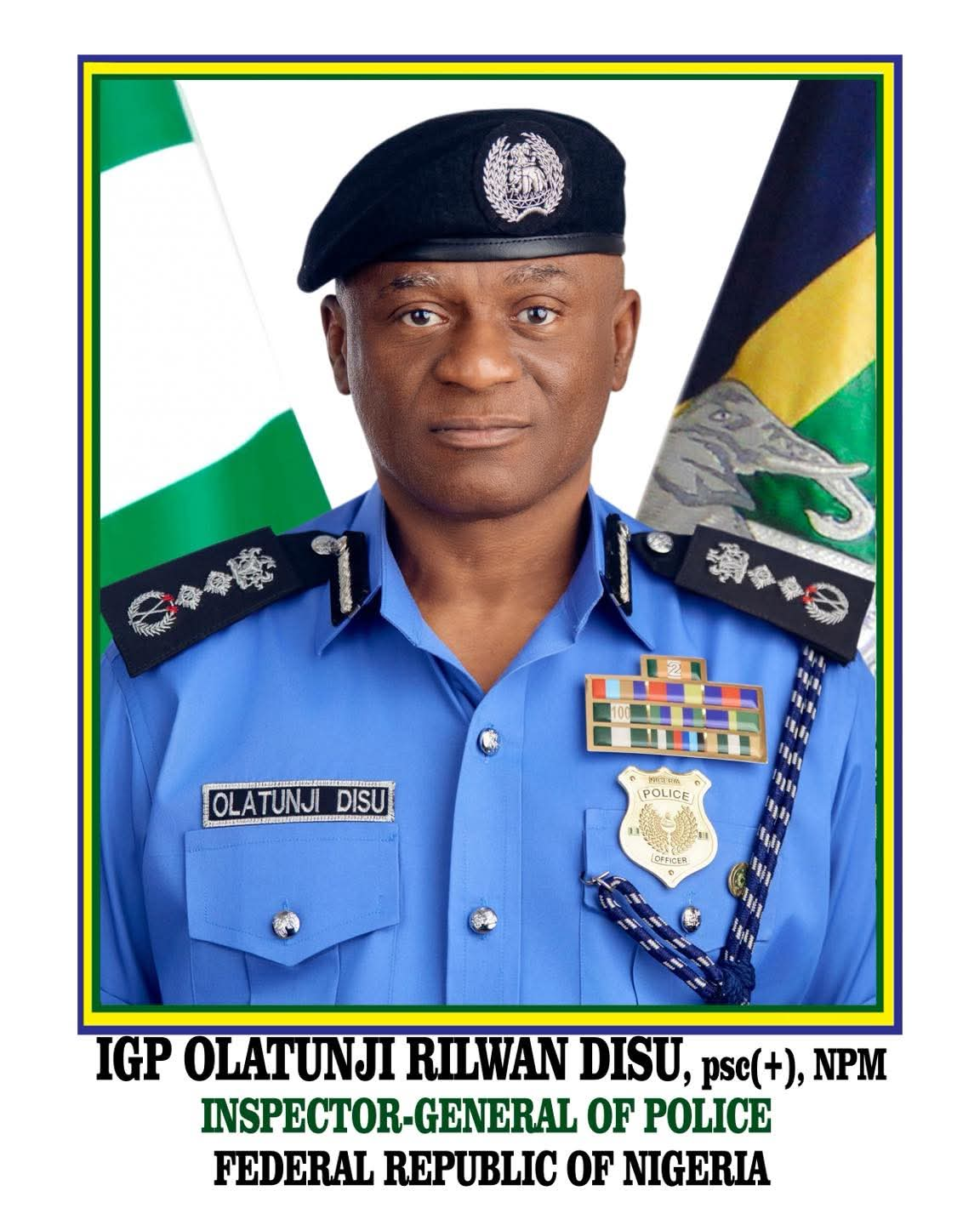
IGP Disu Refutes Reports of Total Squad Dissolution, Orders Strategic Thinning of Tactical Units
ABUJA – The Nigeria Police Force has dismissed widespread reports claiming a wholesale disbandment of its tactical units, with Inspector-General of Police Olatunji Disu clarifying that the Force is instead undertaking a targeted restructuring aimed at improving discipline and strengthening grassroots policing.
In a statement issued to the Press, the IGP explained that the reform is not a dissolution of elite squads but a deliberate “slimming down” designed to curb excesses and address personnel shortages at the divisional level. The move follows growing public concern over the conduct of certain tactical teams and their impact on the Force’s reputation.
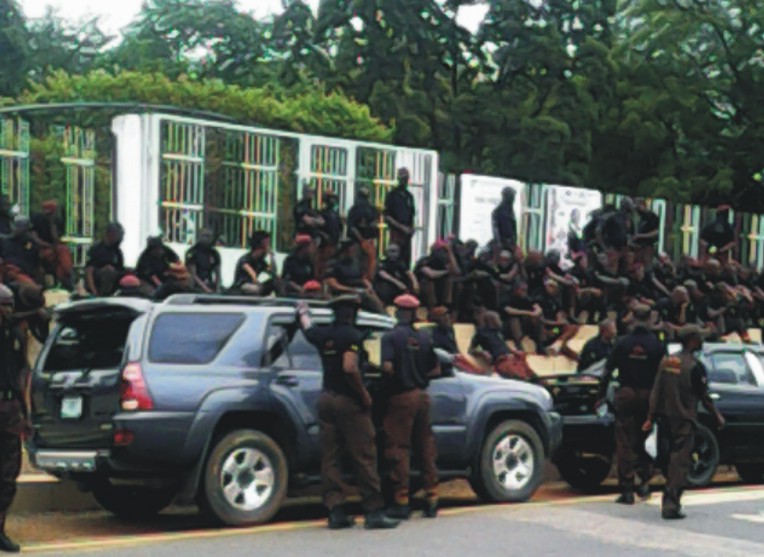
Contrary to viral claims, the directive introduces a cap on the number of tactical units permitted across commands. Under the new structure, Zonal and State Commands are limited to a maximum of five tactical teams, while Area Commands and Divisions may operate no more than three. Command heads have been instructed to merge or disband surplus units to comply with the new policy.
IGP Disu
Police authorities emphasized that the restructuring does not affect state-backed security outfits such as the Rapid Response Squad in Lagos State, the Special Response Squad in Oyo State, or Operation DOO-AKPOR in Bayelsa State. These units will continue to function under their respective state frameworks.
The reform is widely seen as a response to longstanding criticisms over the proliferation of poorly supervised tactical teams, which the IGP noted had led to “excesses” and public backlash. By reducing their number, the Force aims to enhance oversight, improve accountability, and restore public trust.
READ ALSO:Ondo Police arrest 21-year-old over alleged Rrape, murder of elderly woman
A key objective of the policy is to redeploy officers from specialized squads back to local police stations, where manpower shortages have weakened routine policing. Officials say this will bolster community-level security and improve responsiveness to everyday incidents.
Force Public Relations Officer, DCP Anthony Okon Placid, described the IGP as a “grassroots officer” committed to building a more people-oriented police service. Observers note that the restructuring signals a broader shift toward balancing specialized crime-fighting capabilities with the need for effective and disciplined local policing.
The latest directive underscores an ongoing effort by the police leadership to recalibrate operational priorities, ensuring that efficiency, accountability, and public confidence remain at the core of law enforcement in Nigeria.





 Health7 days ago
Ex-baseball prospect says COVID-19 vaccine shot ended his career

 Latest6 days ago
Some opposition figures see me as Tinubu’s spy — Dele Momodu

 Energy7 days ago
EU leaders scramble over soaring energy prices as Iran war sends oil to four-year high

 Trending Stories6 days ago
Nigerian filmmaker Jenrola launches teen-focused TV series
 Latest5 days ago
Tinubu govt’s reform claims face scrutiny as Nigerians battle inflation, hardship
 Latest7 days ago
Macron urges Iran to halt regional attacks, warns of consequences

 Latest6 days ago
Tinubu begins historic state visit to London, first by a Nigerian President in 37 years

 Football5 days ago
Senegal forfeits AFCON final, CAF names Morocco 2025 Champions