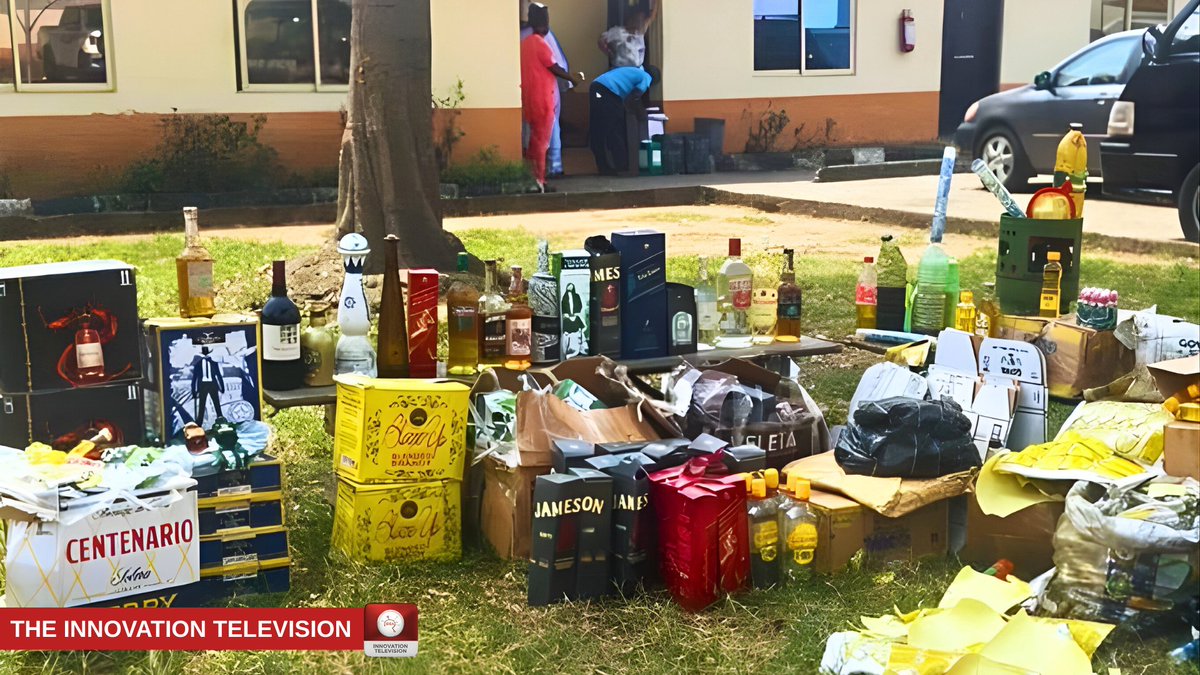
An in-depth investigation has exposed a sprawling network of illegal factories operating in the Ojo Barracks area of Lagos State, where counterfeit wines, whiskies, perfumes, and body creams are being mass-produced on an industrial scale.
Hidden behind residential and semi-commercial structures, these unregistered operations are pumping toxic products into the Nigerian market, endangering thousands of consumers.
None of the facilities are registered with the Corporate Affairs Commission (CAC) or certified by the National Agency for Food and Drug Administration and Control (NAFDAC), raising concerns about public safety.
Workers, many undocumented and poorly paid, are exposed to hazardous conditions while producing what investigators describe as “slow poison” for unsuspecting Nigerians.
“Our team witnessed factories operating without any quality control, distillation equipment, or safety measures. Everything from premium-label whisky to luxury perfumes is mixed with industrial ethanol, methanol, and other banned chemicals, then packaged in recycled bottles or counterfeit containers,” said one undercover investigator.
In one facility producing whisky, drums of industrial ethanol were mixed with brown food coloring and artificial flavorings, stirred with wooden planks, and bottled with fake tax stamps and foil caps.
Meanwhile, cosmetics factories use rusted basins to mix body creams containing high concentrations of mercury and hydroquinone, while counterfeit perfumes often contain methanol—a toxic chemical that can cause respiratory distress, skin burns, and blindness.
READ ALSO: NAFDAC warns against unregistered SMA infant formula in the market
Workers report long hours without protective gear, often fainting from chemical fumes. One anonymous employee said, “We know what we are making is bad. My skin is peeling from the cream mixing, and sometimes the ethanol fumes make us faint. But the bosses tell us that if we talk, we will lose our jobs or worse.”
Health experts warn of severe consequences from such products. Methanol, often substituted for ethanol in illicit spirits, metabolizes into formaldehyde and formic acid, attacking the optic nerve and kidneys, leading to blindness, organ failure, or death. Mercury in cosmetics can cause kidney damage, rashes, and weakened skin immunity, according to the World Health Organization (WHO).
Counterfeit products are not unique to Nigeria but are a global concern, affecting major brands from Hennessy and Johnnie Walker to Louis Vuitton and Estée Lauder. Past Nigerian cases, such as the My Pikin baby teething mixture tragedy, which killed 84 children due to toxic ingredients, highlight the lethal potential of such operations.
Experts argue that recurring illegal production in Ojo points to systemic enforcement failures.
“Occasional raids are insufficient. What is needed is a permanent task force, long-term jail sentences without fines, and modern tracking technologies like Blockchain or Mobile Authentication Services for alcoholic beverages and high-end cosmetics,” said a Lagos-based consumer safety advocate.
Authorities are urged to prioritize shutting down these facilities. For consumers, vigilance is key: extremely discounted products, spelling errors, blurry labels, or loose caps are warning signs of fakes.
The Ojo Barracks factories, analysts say, are more than illegal businesses—they are “crime scenes in progress,” with each bottle of fake gin or jar of toxic cream representing a potential death sentence. The call to action is clear: NAFDAC and the Lagos State Police must take decisive steps to dismantle these operations and hold perpetrators accountable, protecting Nigerian lives and consumer trust.



 Energy7 days ago
 Crime6 days ago
 Football7 days ago
 Business7 days ago
 Crime6 days ago
 Business7 days ago

 Business7 days ago