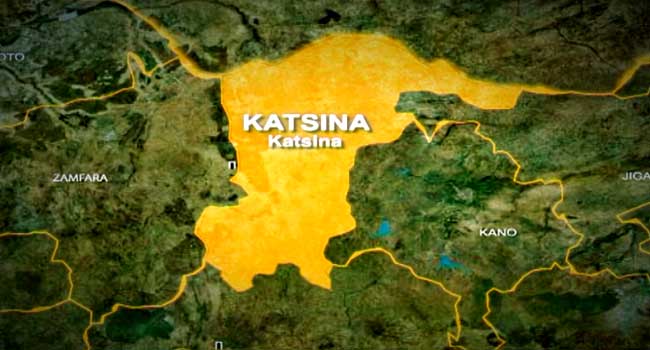
The Katsina State Government, in partnership with a charitable foundation, has successfully conducted 1,000 free eye surgeries for less-privileged patients, marking a significant healthcare intervention aimed at addressing preventable blindness and visual impairment in the state.
The mass eye surgery initiative provided life-changing treatment to hundreds of residents who had been living with cataracts, glaucoma, and other treatable eye conditions but could not afford the cost of surgical intervention. Many of the beneficiaries had been unable to work or carry out daily activities due to their deteriorating vision.
State health officials described the program as one of the largest medical outreach efforts in recent years, bringing together ophthalmologists, nurses, and support staff to screen, diagnose, and perform surgeries on patients from across Katsina’s local government areas. The initiative specifically targeted vulnerable populations, including the elderly, women, and people living in rural communities with limited access to specialized medical care.
The surgeries were performed at designated medical facilities equipped with modern ophthalmological equipment, with medical teams working in shifts to accommodate the large number of patients requiring treatment. Post-operative care and follow-up appointments were also provided to ensure successful recovery and optimal outcomes for all beneficiaries.
Beneficiaries of the program expressed profound gratitude for the intervention, with many describing the restoration of their sight as transformative. Several patients who had been dependent on family members for years were able to regain their independence and return to productive activities following successful surgeries.
The partnering foundation provided financial support, medical equipment, and technical expertise to complement the state government’s efforts. Foundation representatives emphasized their commitment to addressing healthcare inequalities and ensuring that economic circumstances do not prevent people from accessing essential medical treatments.
ALSO READ: Study finds elevated febrile seizure risk after COVID-19 vaccination
Katsina State Commissioner for Health commended the collaboration between the government and the foundation, describing it as a model for public-private partnerships in healthcare delivery. The commissioner announced that the state government plans to sustain such interventions through regular medical outreach programs targeting various health conditions affecting vulnerable populations.
Medical professionals involved in the program noted that many of the eye conditions treated during the initiative were preventable or could have been addressed earlier with proper screening and awareness. They called for increased investment in preventive eye care, including routine vision screening in schools and communities, to identify problems before they progress to stages requiring surgical intervention.
The success of the 1,000 free eye surgeries has generated calls for similar initiatives to be replicated in other states facing high rates of preventable blindness. Health advocates argue that such programs not only improve individual lives but also contribute to economic productivity by enabling people to return to work and reduce dependency.
The Katsina State Government has indicated that based on the success of this intervention, it is exploring opportunities to expand free medical services to address other prevalent health challenges in the state, including maternal and child health issues, non-communicable diseases, and malnutrition.
This healthcare initiative aligns with broader efforts to achieve universal health coverage and ensure that quality medical services are accessible to all citizens regardless of their economic status, particularly in underserved areas where specialized care has historically been out of reach for many residents.



 Crime1 week ago
 Football1 week ago
 Football1 week ago
 Business1 week ago

 Football1 week ago
 Football1 week ago
 Business1 week ago