
Comments and Issues
Lagos-Calabar Coastal Highway: What does phase one truly mean for Nigerians?

Published
9 months agoon
By
Olu Emmanuel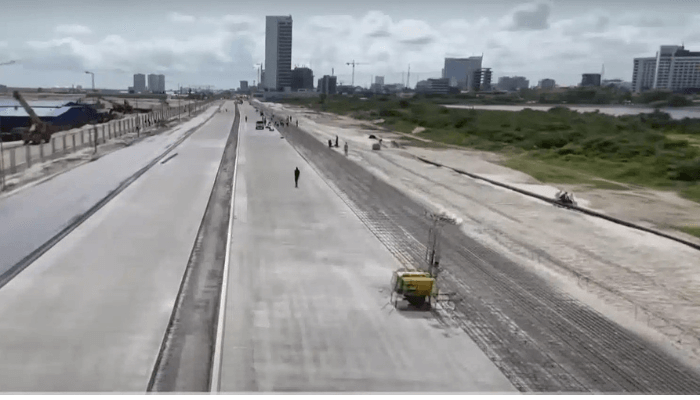
It’s been touted as a “game-changer,” an infrastructural marvel set to redefine travel, trade, and tourism across Nigeria’s southern flank. The ambitious Lagos-Calabar Coastal Highway, a colossal project conceptualized to span approximately 700 kilometers, has captured national attention. But as the first phase of this mega-project kicks off, many Nigerians are asking: What exactly does Phase One entail, and what real impact will it have on their lives?
The Lagos-Calabar Coastal Highway is envisioned as a vital arterial link, connecting Lagos, Nigeria’s economic powerhouse, to Calabar in Cross River State, traversing numerous coastal cities and communities, including Lekki, Epe, Ijebu-Ode, Ondo, Warri, Port Harcourt, and Uyo. Proponents argue it will unlock immense economic potential, reduce travel times, foster tourism, and boost regional integration.
Phase One: The Groundbreaking Stretch
The initial focus, Phase One, is a critical 47-kilometer stretch designed to begin from Ahmadu Bello Way in Victoria Island, Lagos, extending towards the Lekki Deep Sea Port. This segment is particularly significant as it cuts through some of Nigeria’s most valuable coastal real estate and aims to alleviate notorious traffic congestion within the bustling Lagos metropolis.
This first phase is not merely a road; it includes the construction of significant infrastructure such as bridges, interchanges, and access roads, all designed to seamlessly integrate with existing urban networks. Its primary goal is to provide a high-speed, direct route from the commercial heart of Lagos to the burgeoning industrial zones and port facilities in Lekki and beyond.
The Promise: What Nigerians Stand to Gain
For the average Nigerian, Phase One of the Coastal Highway offers a mixed bag of immediate and long-term promises:
- Reduced Commute Times: For residents and businesses operating in Victoria Island, Lekki, and Epe, the completion of this initial phase promises a significant reduction in travel time, alleviating the notorious gridlock that chokes these areas. This directly translates to more productive hours for commuters and businesses.
- Economic Catalyst for Lagos: The seamless connection to the Lekki Deep Sea Port and the Lekki Free Trade Zone is expected to supercharge economic activities. Easier movement of goods and services will attract more investment, potentially leading to job creation in logistics, manufacturing, and related sectors within the Lagos corridor.
- Property Value Appreciation: Areas along the Phase One route, particularly in Lekki and Epe, are already witnessing a surge in property interest and value appreciation, benefiting landowners and real estate developers.
- Tourism Potential (Long-term): While Phase One primarily addresses connectivity, it lays the groundwork for the future tourism boom envisioned for Nigeria’s coastline. Easier access to beaches and resorts within Lagos could stimulate local tourism.
- Job Creation: The construction phase itself will generate thousands of direct and indirect jobs for engineers, construction workers, material suppliers, and various support services.
The Concerns: Navigating the Hurdles
Despite the ambitious vision, the project, particularly Phase One, has been met with a mix of optimism and significant concerns:
- Cost and Funding Model: The colossal estimated cost of the entire highway, reportedly running into tens of billions of dollars, raises eyebrows. While the project is planned under a Public-Private Partnership (PPP) model, the exact financial commitments, concession terms, and potential implications for public debt remain subjects of intense scrutiny and debate among economic analysts and the public.
- Environmental Impact: The coastal nature of the highway inevitably raises environmental concerns. Phase One, in particular, involves significant land reclamation and construction in sensitive ecological zones. Environmental activists and concerned citizens are urging for meticulous environmental impact assessments and mitigation strategies to protect marine life and coastal ecosystems.
- Displacement and Compensation: The acquisition of land for the right-of-way means the displacement of homes, businesses, and communities along the route. Ensuring fair and timely compensation, as well as adequate resettlement plans for affected citizens, is a critical ethical and social challenge that will test the government’s commitment to its people.
- Transparency and Due Diligence: Questions have been raised regarding the transparency of the contracting process and the comprehensive nature of the feasibility studies. Stakeholders are demanding greater openness in all aspects of the project’s planning and execution to prevent cost overruns and ensure public funds are judiciously managed.
- Sustainability and Maintenance: Beyond construction, the long-term sustainability and maintenance of such a massive infrastructure project in a challenging coastal environment will be paramount. Ensuring the highway remains in optimal condition will require substantial ongoing investment and a robust maintenance framework.
A Path to Prosperity or a Pothole of Debt?
Phase One of the Lagos-Calabar Coastal Highway represents a tangible step towards realizing a grand infrastructural vision for Nigeria. It holds genuine promise for economic growth, improved connectivity, and job creation, particularly within the bustling commercial arteries of Lagos.
However, its success hinges not just on its completion, but on transparent governance, responsible financial management, rigorous environmental protection, and equitable treatment of affected communities. For Nigerians, Phase One is more than just asphalt and concrete; it’s a litmus test for the government’s ability to deliver transformative projects that genuinely uplift lives, without leaving a legacy of debt or environmental degradation. The coming months will reveal if this ambitious coastal dream will pave a smooth path to prosperity or encounter unforeseen hurdles.

You may like
Trending

 Latest1 week ago
Tinubu govt’s reform claims face scrutiny as Nigerians battle inflation, hardship
 Football1 week ago
Senegal forfeits AFCON final, CAF names Morocco 2025 Champions
 Football1 week ago
Arsenal to face Sporting as first Champions League quarter-final tie confirmed

 Football7 days ago
Mbeumo overtakes Osimhen as Africa’s most valuable player
 Football7 days ago
Full list: Chelle drops Osimhen, Nwabali for Eagles’ friendlies
 Business7 days ago
Nigeria’s power sector collapses under N6.8trn debt burden
 Comments and Issues6 days ago
Tunji Disu: A different kind of Cop
 Health6 days ago
NAFDAC raises alarm over circulation of fake cancer drugs in Nigeria