
Alausa Watch
Lagos Takes a Stand: Single-Use Plastic Ban Signals a Cleaner Future


Lagos Takes a Stand: Single-Use Plastic Ban Signals a Cleaner Future
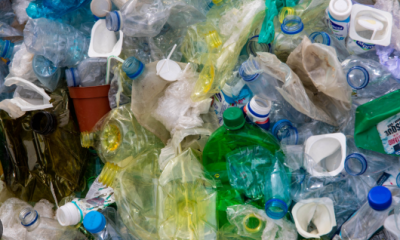
Lagos State has boldly moved to tackle its plastic pollution crisis by banning single-use plastics including Styrofoam containers, plastic bags, and straws from July 1, 2025. With over a million Tonnes of plastic waste generated annually, the state faces mounting environmental challenges, from clogged drainage channels to contaminated soil and waterways.
READ ALSO:FG Halts Raw Nut Exports to Crack Open Economic Gains
Plastic waste takes decades, even centuries, to decompose, leaving a long-lasting environmental footprint. The ban is more than a policy it is a statement that unsustainable consumption habits cannot coexist with a healthy ecosystem. Already, the move is encouraging Lagosians to adopt reusable and biodegradable alternatives, while raising awareness about the urgent need for responsible waste management.

Operatives of Lagos state Ministry of environment at work
However, the ban also exposes a critical tension between environmental goals and economic realities. About 89% of those in the plastic value chain, including small-scale traders and women entrepreneurs, rely on single-use plastics for income. Without viable alternatives or support, sudden enforcement risks economic hardship for these vulnerable groups.
Experts say the ban’s success will hinge on a balanced and inclusive approach. This includes investing in recycling infrastructure, supporting sustainable product alternatives, providing retraining programs, and running intensive public awareness campaigns. Educating citizens on waste-to-wealth and waste-to-energy strategies can also cultivate a culture of responsible consumption and disposal.
Lagos’s leadership on this issue sets a powerful example for Nigeria and the world, showing that environmental sustainability requires both courage and practical solutions. The state now faces the challenge of turning policy into action, ensuring that the ban protects the environment without sacrificing livelihoods.
The road to sustainability may be difficult, but the costs of inaction are far greater. Lagos has the opportunity to lead the fight against plastic pollution proving that bold policies, backed by inclusive strategies, can reshape the future of urban living.









 Energy1 week ago
Nigeria leads Africa in refining as Dangote exports 456,000 tonnes of fuel

 Football3 days ago
Iraq ends 40-year World Cup exile as Baghdad erupts in joy

 Crime7 days ago
Delta Police Arrest Over 270 Suspects in Warri, Ughelli Raids as Activists Accuse Officers of Rights Abuses

 Football1 week ago
Italy lead World Cup playoff team valuations at €839m as DR Congo stand out

 Business1 week ago
Air Peace announces resumption of direct Lagos–Barbados flights from May 2026

 Crime1 week ago
Tragedy of Benue’s Forced Relocation, Armed Attacks Clear Communities
 Football6 days ago
Tuchel names Maguire as fifth-choice centre-back

 Business1 week ago
NCC launches TIRMS platform to strengthen digital security, combat mobile fraud