The Manufacturers Association of Nigeria (MAN) has issued a strong appeal to the Lagos State Government, urging it to halt or reconsider its impending ban on single-use plastics (SUPs), warning that the policy—set to take effect on July 1, 2025—could unleash significant economic, social, and industrial disruptions across the state.
In a detailed statement released over the weekend, MAN expressed deep concern that the Lagos State Ministry of the Environment’s directive was not informed by credible data, lacked meaningful stakeholder consultation, and could result in unintended fallout ranging from mass unemployment to supply chain disruptions.
According to Segun Ajayi-Kadir, Director General of MAN, the real issue lies not with plastics themselves, but with the state’s inefficient waste management systems.
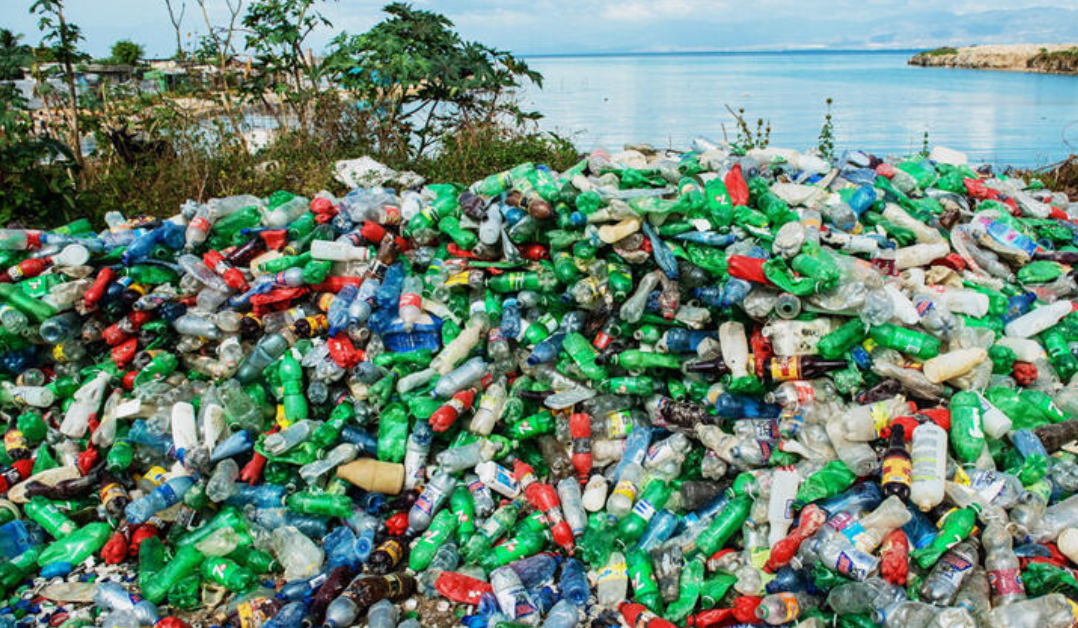
“It is the failure of plastic waste management that leads to pollution, not the material itself,” Ajayi-Kadir said. “Banning SUPs will not solve pollution but will merely substitute one problem for another—especially in the absence of scalable, affordable alternatives.”
Recyclers worry that eliminating SUPs would reduce the availability of plastic feedstock, worsening the underutilisation of existing recycling plants.
Ajayi-Kadir warned, “There is no social protection framework for the workers who will be displaced. Entire livelihoods are at risk, especially for low-income and informal sector participants.”
The manufacturers group also flagged the broader economic implications of the policy, including:
Potential loss of export revenue, particularly for companies in Lagos that distribute to other states and the broader West African market.
Disruption of supply chains, particularly in food, pharmaceuticals, and fast-moving consumer goods, where plastic packaging plays a key role in product safety and shelf life.
Increased production costs, as paper or kenaf-based alternatives are significantly more expensive and scarce in Nigeria’s current market.
“This could trigger inflationary pressures in essential goods and services,” said Dr. Tunde Alade, a Lagos-based industrial economist. “Without adequate substitutes and infrastructure, this ban could cause more harm than good.”
READ ALSO: Lagos seals Okota residence over illegal sewage discharge into public drainage
Instead of a blanket ban, MAN is advocating for a systemic, circular economy approach that focuses on improving waste collection and recycling.
Align state policy with national efforts, such as the National Plastic Action Roadmap and the National Policy on Plastic Waste Management (NPPWM).
It also warned against duplicating or sidelining existing industry-led recycling initiatives like the Food and Beverage Recycling Alliance (FBRA), which has already made strides in plastic waste recovery.
“Nigeria should not destroy its petrochemical and plastics economy but rather close the loop—ensuring that plastics are reused and recycled,” Ajayi-Kadir said.
MAN cited global examples to show that advanced economies are not outlawing plastics but are instead investing in solutions. Canada, for instance, has committed $1.8 billion to Dow Chemical’s plastic-to-zero facility, reflecting a shift toward innovation over prohibition.
“Copying foreign bans without the enabling infrastructure or economic safety nets is a recipe for social and industrial backlash,” said Prof. Grace Ogedengbe, an environmental policy expert at the University of Lagos.
As the July 1 ban date approaches, MAN is calling for urgent stakeholder engagement, warning that a top-down imposition without grassroots consultation risks plunging Lagos into economic disarray and environmental chaos.
“Lagos cannot afford to move hastily on this policy,” Ajayi-Kadir cautioned. “What we need is collaboration—not confrontation—to solve our waste management challenges.”
The state government has yet to formally respond to MAN’s statement, but pressure is mounting for a policy review before enforcement begins.




 Business1 week ago
 Latest6 days ago
 Football1 week ago
 Business1 week ago
 Football5 days ago
 Health1 week ago
 Business4 days ago
 Football1 week ago